If you are searching for kids desk ideas homework station setups that actually get used, you are not alone. I see the same questions all the time about kids desk ideas in bedroom layouts and kids desk ideas small spaces that still feel calm and organized. How do you fit a homework zone into a real family home without making it look cluttered. What desk height, lighting, and storage choices help kids focus longer and complain less. In this guide, I will walk through 31 kids desk ideas 2026 using practical, modern approaches you can adapt to almost any room. You will also get photo prompts for each section to help you create realistic images that match the design details.
1. Modern Kids Desk Ideas For A Stylish Homework Station 2026
I design modern homework zones by starting with the whole room view, not just the desk. A clean-lined desk, a soft neutral wall, and a simple pinboard create a homework station that looks intentional instead of temporary. I like to keep the work surface facing a wall or window so the rest of the room stays visually quiet. In 2026, I see more families choosing warmer woods, rounded corners, and matte finishes that feel kid friendly but still grown up. This approach works as a flexible kids desk ideas homework station plan that can shift from early grades to middle school without replacing everything.
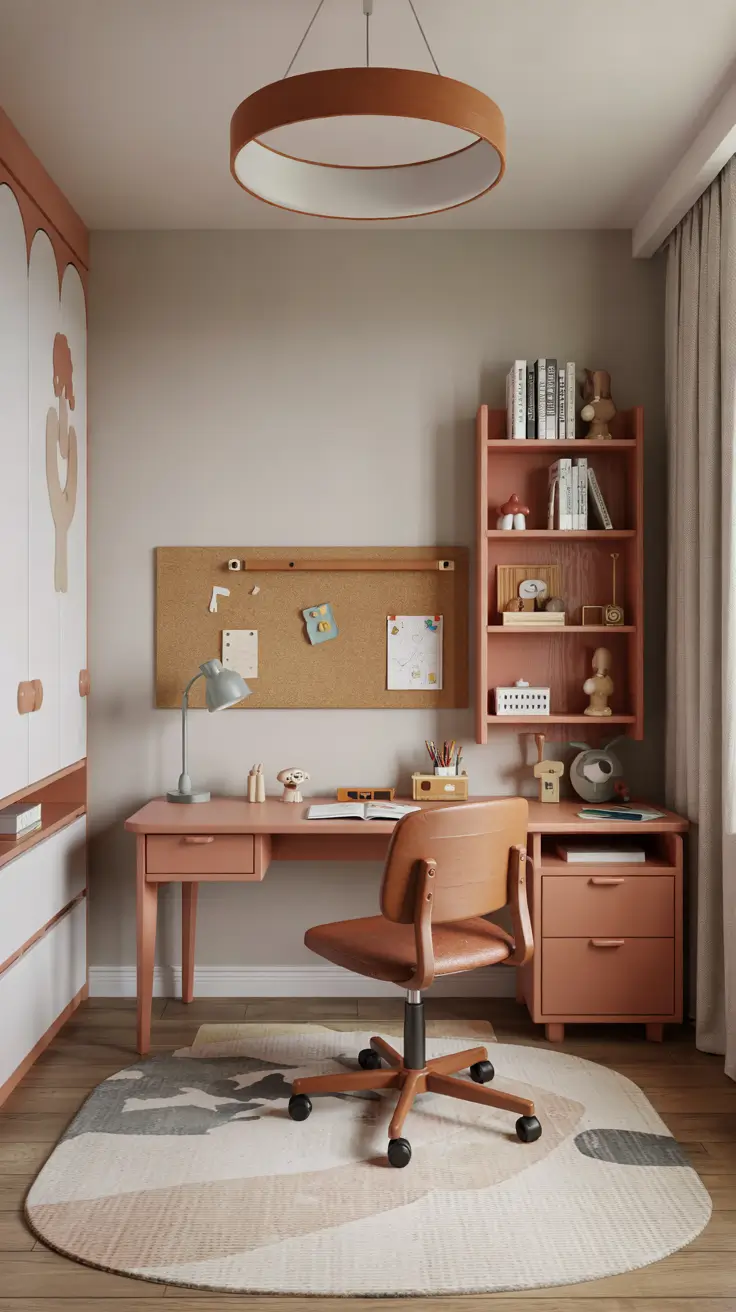
For furniture, I prioritize an ergonomic chair, a desk with a shallow drawer, and layered lighting. A slim desk lamp with an adjustable arm helps with evening work, while a ceiling fixture keeps the room balanced. I often add a low shelf or a narrow credenza nearby so supplies do not live on the desktop. A cork strip or magnetic rail above the desk holds schedules and artwork without covering the wall in papers. When I want extra order, I use matching containers in two sizes so kids can actually put items back.
In my experience, the biggest upgrade is creating one simple routine zone where everything has a home. I keep the desktop mostly open because kids focus better when the surface is not crowded. Many interior designers in the US emphasize that good lighting and an ergonomic seat support comfort and attention during tasks, and I see that play out in real homes. I also like to add one personal element, like a small framed print or a plant, so the area feels welcoming. A stylish homework station is not about being fancy, it is about being consistent and easy to use.
To complete this section, I would add exact measurements and placement tips so readers can copy the layout. I would include a desk height range, a chair seat height guideline, and a simple rule for lamp placement to reduce shadows. I would also add two color palettes, one warm neutral and one soft pastel, to make the modern look easy to replicate. Finally, I would include a short checklist for the first setup day so parents can assemble the zone quickly and avoid missing basics like cable control.
2. Functional Kids Desk Ideas In Bedroom Spaces
When I plan kids desk ideas in bedroom zones, I treat the desk like a calm extension of the room, not a separate office. I place it where it does not interrupt sleep flow, usually away from the bed head and aligned with natural light when possible. A bedroom desk works best when the storage is contained and the lighting is gentle but effective. I like to use a matching finish with the bed or nightstand so the desk feels built in, even if it is modular. This is one of the easiest ways to make kids desk ideas bedroom layouts look tidy in photos and feel tidy in real life.
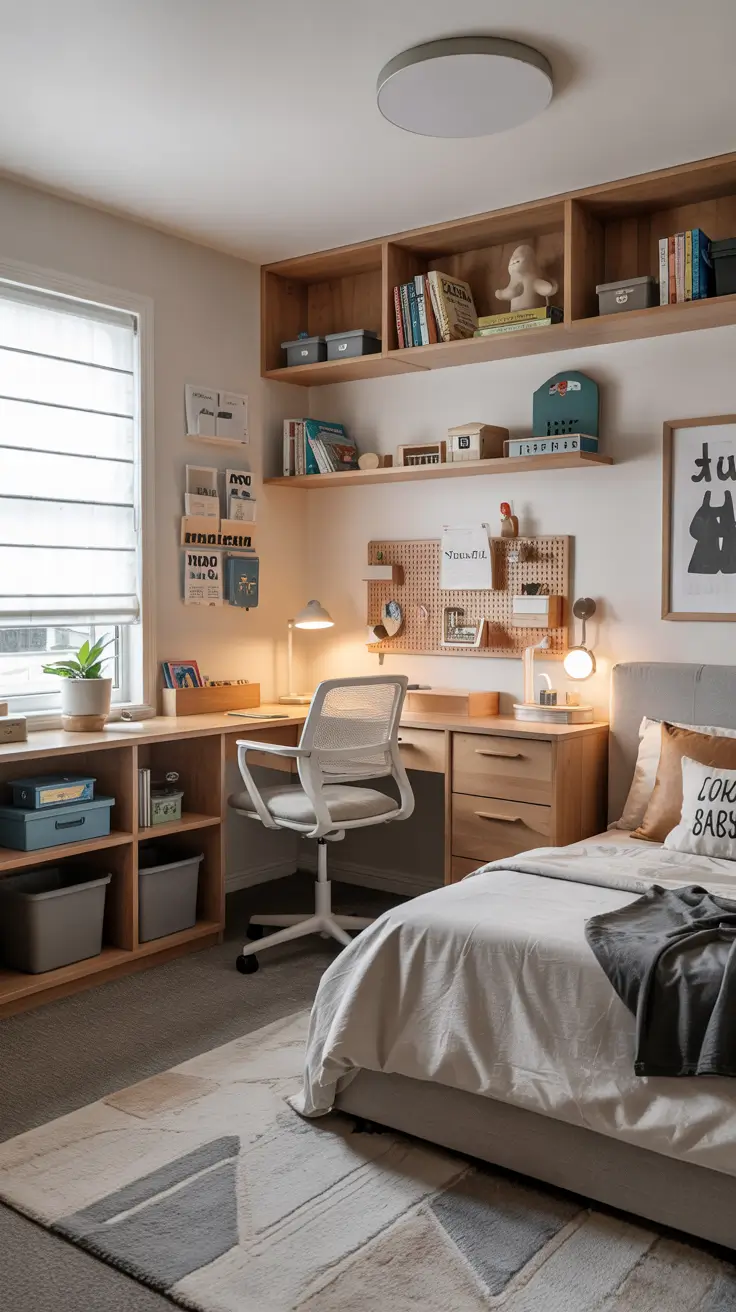
I rely on a compact desk, a comfortable chair that tucks in fully, and wall storage that keeps the floor clear. Floating shelves above the desk are great when you keep them shallow and evenly spaced. A soft rug under the chair helps define the study zone and improves comfort, especially on hard floors. I also add a small closed bin or drawer unit for items that tend to scatter, like markers and small toys. If the bedroom is tight, I choose a desk with a finished back so it can float slightly off the wall without looking unfinished.
From what I have seen, bedroom study zones succeed when kids can reset them in under two minutes. I recommend a simple nightly reset, laptop away, papers into a tray, pencils into a cup, chair pushed in. Designers often talk about zoning, and I use that idea by giving the desk its own visual boundary using a sconce, rug, or wall color block. I also avoid placing the desk directly beside the bed if the child gets distracted, because it blurs rest and work. A functional bedroom desk should feel calm, not like homework is taking over the whole room.
To strengthen this section, I would add examples for different ages and room sizes. I would include one layout for a small room, one for a shared bedroom, and one for a teen who needs a bigger monitor. I would also add a note on sound control, like using curtains, a fabric pinboard, or a soft rug to reduce echo. Finally, I would include a short list of what to store in the bedroom zone versus what to store elsewhere to prevent overflow.
3. Smart Kids Desk Ideas For Small Spaces And Apartments
For kids desk ideas small spaces, my goal is to keep the room feeling open while still giving kids a real work surface. Apartments often need a homework station small spaces plan that fits into a living room edge, hallway nook, or the corner of a bedroom. I like to use vertical space so the desk footprint stays narrow. A wall mounted desk or a slim console can work surprisingly well when paired with strong lighting. The key is making the station feel stable and not temporary, even if it folds or hides.
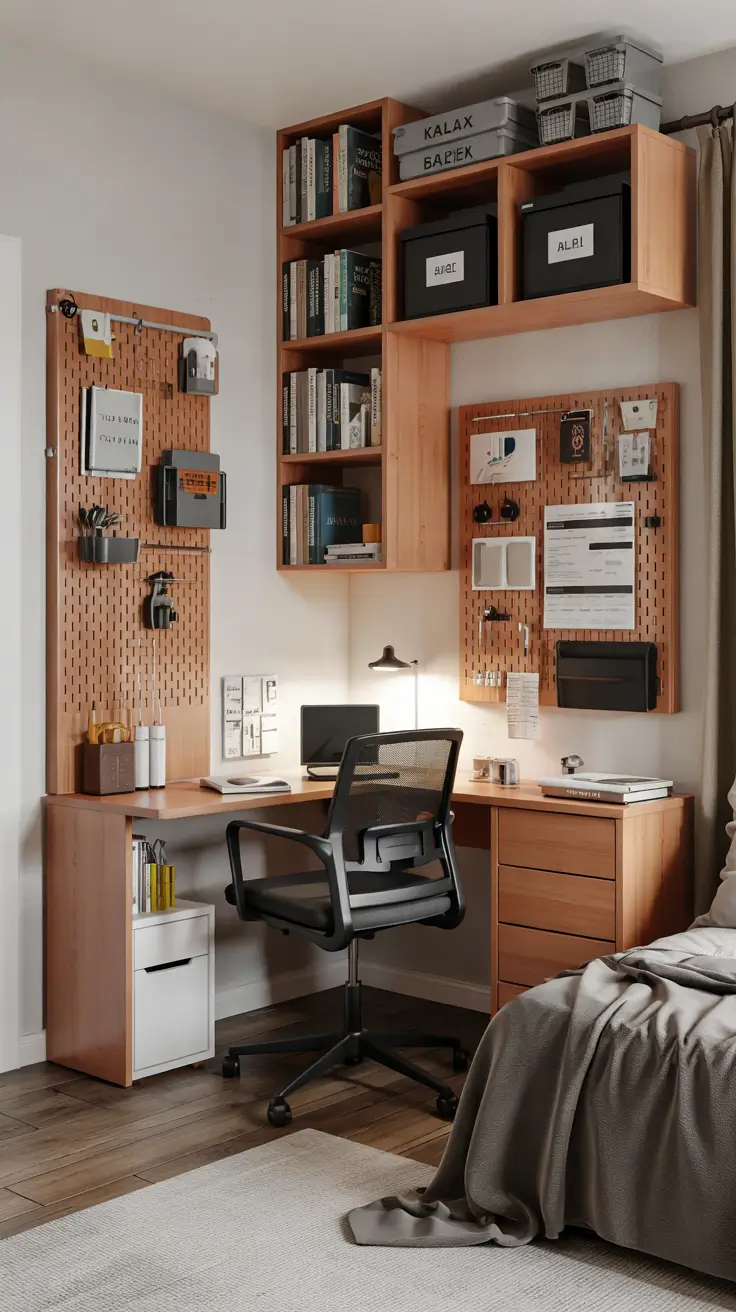
I choose pieces like a floating desk, a compact chair, and a tall storage panel with hooks and shelves. A narrow bookcase beside the desk can hold school bins without taking much floor space. I often use a Kallax style cube unit nearby because it stores a lot in a small volume and can double as a room divider. For tiny corners, a corner desk with a rounded front edge makes movement easier. If there are multiple kids, I set up multiple small stations rather than one oversized desk that dominates the room.
In practice, small spaces work best when you limit what lives at the desk. I encourage parents to rotate supplies weekly so only current items are present. Many organizers recommend clear categories, and I follow that by labeling bins for paper, tools, tech, and projects. I also add a charging spot so devices do not drift across the home. A smart small-space station is less about size and more about clear rules for storage and reset.
To improve this section, I would add a few specific apartment-friendly layouts with measurements. I would include one setup under a loft bed, one inside a closet nook, and one using a fold-down desk in a living area. I would also add tips for renters, like removable wall solutions for shelves and cable clips. Finally, I would include a quick guide for lighting in dark corners, including when to add an LED strip under a shelf for even task light.
4. Creative Kids Desk Ideas DIY For Budget Friendly Homes
When I approach kids desk ideas diy, I focus on safe, sturdy builds that look modern and last. A simple DIY desktop with two drawer units can feel custom without custom pricing. I like DIY solutions because you can fit a small room perfectly and control the finish. For budget friendly homes, I keep the design minimal and put money into the chair and lighting, since those affect comfort most. This is where kids desk ideas homework station diy projects shine, because you can tailor storage to how your child actually works.
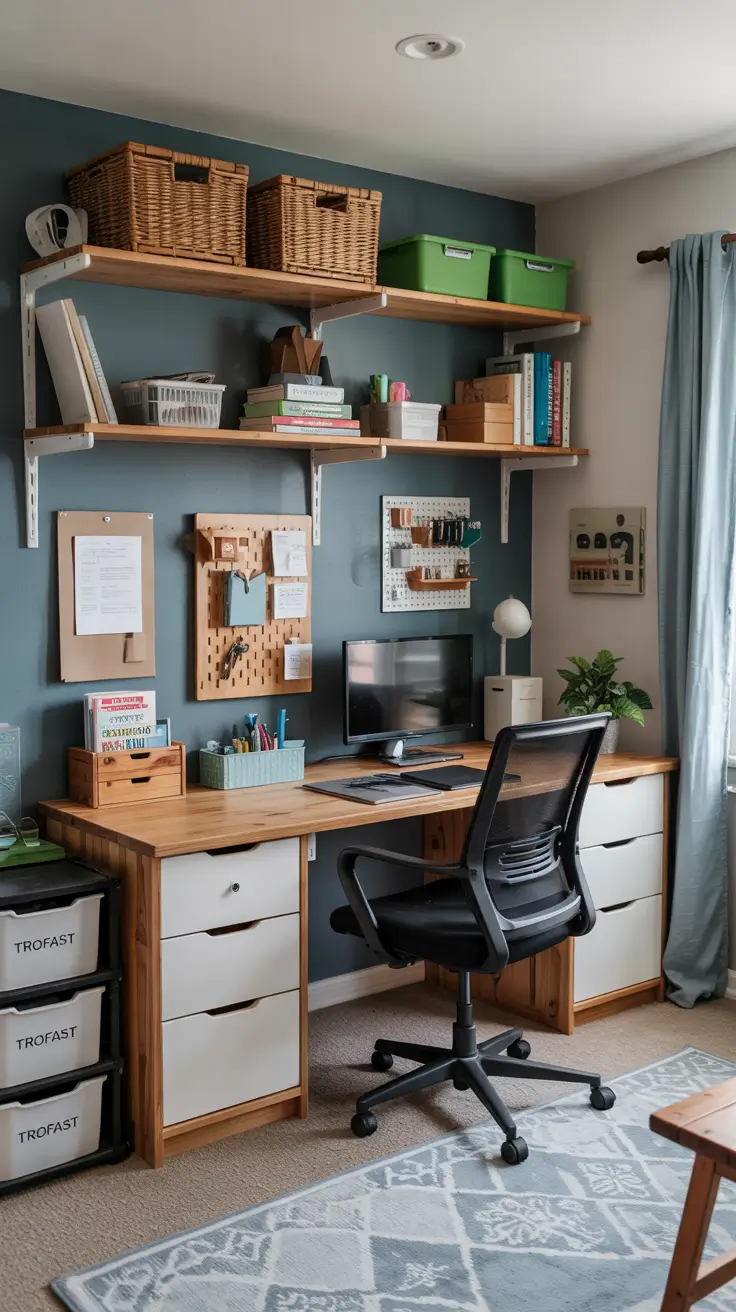
My favorite DIY recipe is a thick top, solid supports, and practical storage modules. I often use a Trofast style bin system under or beside the desk to handle bulky supplies and crafts. An Elfa style wall system can add adjustable shelves, a rail, and baskets without building cabinetry. If you want a built in look, paint the wall behind the desk and add matching shelf brackets to visually connect the pieces. I also like a vintage twist, like using a refinished small desk with a modern chair, because it adds personality without clutter.
I have learned that DIY succeeds when you plan the everyday mess from the start. I include a paper tray, a container for chargers, and a small lidded bin for items kids do not want to sort. Many home publications emphasize that a dedicated drop zone reduces clutter across the whole home, and I agree when it is placed right at the desk. I also recommend rounding edges and sealing surfaces well so the desk handles spills and heavy use. A DIY station can look high-end if you keep lines clean and hardware consistent.
To finish this section, I would add a short materials list and a safety checklist. I would include notes on anchoring shelves, choosing low-odor finishes, and cable management basics. I would also add a budget breakdown showing a low, medium, and higher option so readers can pick their comfort level. Finally, I would include a simple plan for adding storage later, like stacking modules or extending a shelf run, so the desk can grow with the child.
5. Cool Kids Desk Ideas For Boys Rooms In 2026
For kids desk ideas boys rooms, I aim for a look that feels fun but not themed to the point that it ages fast. In 2026, I see more sporty, techy, and creative setups that still keep the room calm. I like deeper accent colors, textured neutrals, and practical materials that hide scuffs. A homework station boys work spaces plan works best when it supports both study and hobbies, like building kits or drawing. I keep the overall design modern so it pairs well with changing interests.
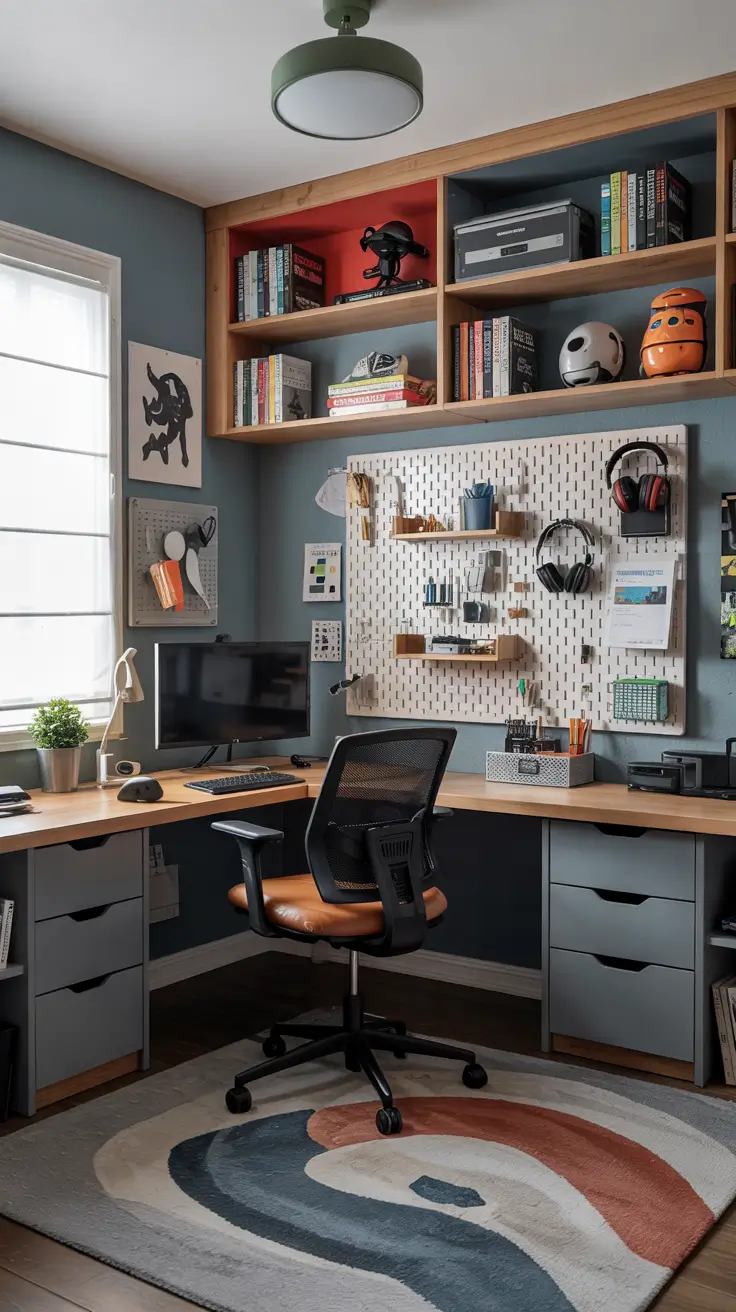
I typically use a sturdy desk with a durable top, a chair with good back support, and storage that is easy to access. Closed drawers are helpful for quick cleanup, while open shelves display a few favorites without creating chaos. I often add a pegboard or slat wall for headphones, cables, and small gear, which keeps the desktop clear. For a gaming-friendly space, I include a monitor riser and a cable tray underneath the desk. If the room is small, I rely on a corner setup so the main floor space stays open for movement.
From my projects, the best boys room desk zones have a clear rule for what stays out and what gets stored. I encourage a simple two-bin system, one for current schoolwork and one for hobby projects, so nothing gets lost. I also like to add one strong task light and one softer ambient light so the room does not feel harsh at night. Some families enjoy playful inspiration like Bloxburg-style layouts, and I translate that into real rooms by using clean geometry, clear zones, and practical storage. A cool setup is really a well-managed setup with a few bold accents.
To expand this section, I would add two complete style directions with color suggestions. I would include a modern sporty look with navy and wood, and a creative workshop look with warm gray and black accents. I would also add recommendations for wall protection behind the desk, like washable paint or a panel, to keep it looking fresh. Finally, I would include a short note on choosing art and decor that can swap easily, like posters in simple frames, so the room evolves without a redesign.
6. Practical Kids Desk Ideas Homework Station DIY Projects
A practical homework station is about repeatable habits, so I design the station to make the right habits effortless. I treat kids desk ideas homework station diy as a system, desk, storage, lighting, and routine. The best stations have a clear starting point, like a weekly folder, and a clear ending point, like a turn-in tray. I like layouts that keep distractions out of sight and put tools within arm reach. This approach works especially well for homeschool families because the station supports longer blocks of work.
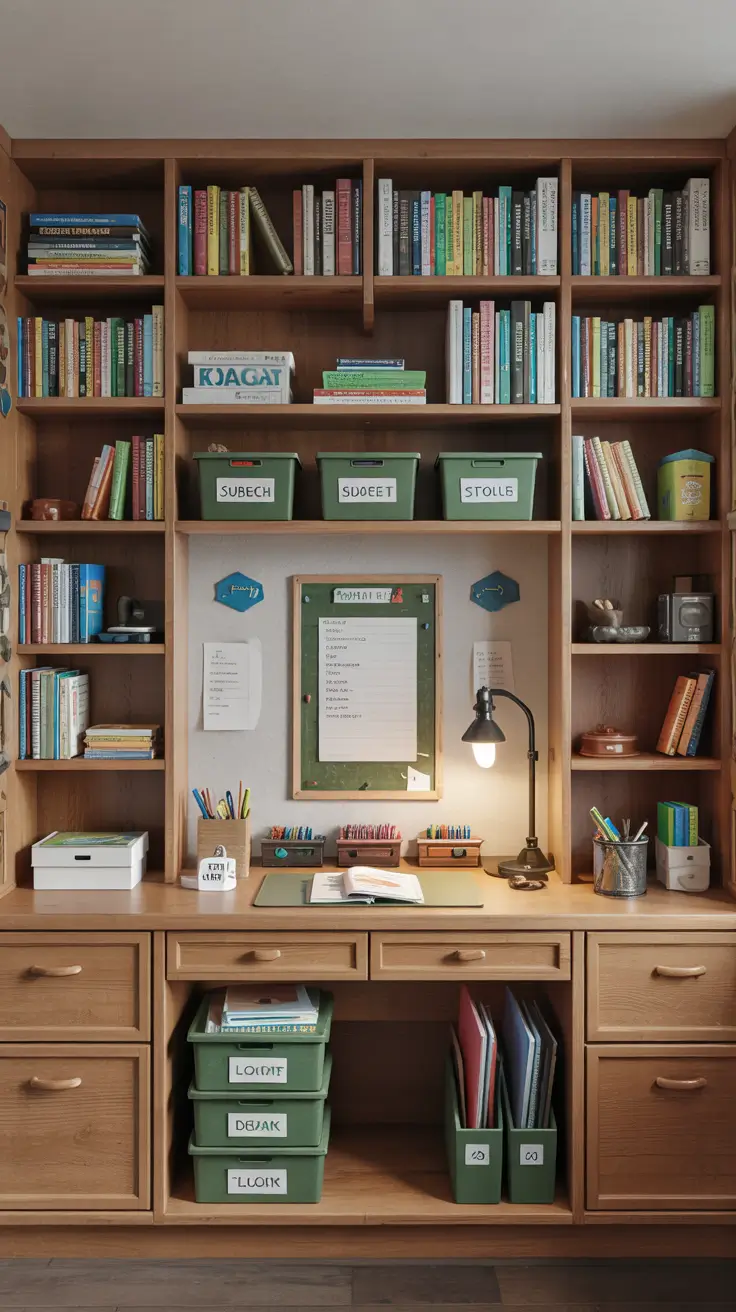
I include a desk that fits the child, an adjustable lamp, and a simple storage wall with shelves or rails. A built in look can be achieved with two tall bookcases flanking the desk and a shelf bridging above, even if it is assembled from standard pieces. I like adding labeled bins for subjects, plus a small whiteboard for the day plan. For small rooms, I use slim drawers and vertical file holders to avoid wide cabinets. If the station is shared, I create a separate tray and pencil cup for each child to reduce mix-ups.
In my experience, the biggest change comes from setting up the station so cleanup is automatic. I recommend keeping only the current assignment on the desk and putting the rest into a folder system. Many teachers and organizers emphasize consistent routines, and I build that into the space by making the reset simple and fast. I also prefer warm, even lighting, because harsh glare increases fatigue during reading and writing. When the station feels comfortable, kids stay seated longer and the tone of homework time improves.
To complete this section, I would add a simple step-by-step DIY plan for building the station over a weekend. I would include a checklist for tools, a basic layout diagram description, and a list of storage categories to label. I would also add troubleshooting tips, like what to do if the desktop becomes a dumping ground or if cords take over. Finally, I would include a short schedule template suggestion so families can pair the physical station with a consistent daily homework rhythm.
7. Kids Desk Ideas For Two Children Sharing One Space
When I design kids desk ideas for two, I focus on fairness, personal space, and noise control. A shared setup can be a double desk, two separate desks, or one long surface with clear boundaries. I like to place the desks so kids do not face each other directly, because it reduces distraction and conflict. Shared stations are especially useful in small room layouts, where a single zone prevents supplies from spreading. With the right plan, kids desk ideas for small spaces can still support two students comfortably.
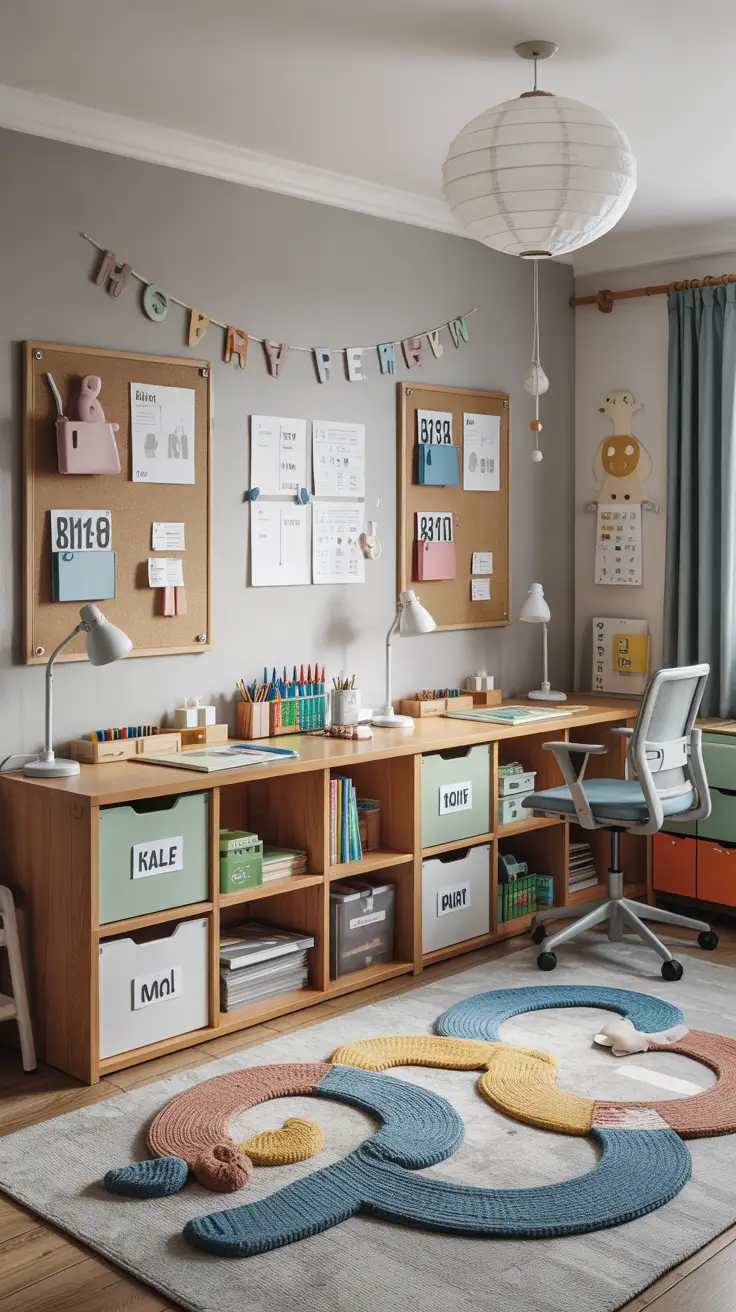
For furniture, I often use a long desk top with two drawer units and a shared center storage tower. I add two identical lamps or one long light source so each child has equal task lighting. A divider can be as simple as a low shelf, a pinboard panel, or a small bookcase to create separation without blocking light. I like using Kallax cubes or slim cabinets to give each child their own zone, labeled clearly. If the room is tight, a corner layout with an L shape can seat two kids while keeping the walkway open.
In my experience, shared stations work when each child has a defined personal kit and a shared supply area. I recommend color-coding folders and trays so papers do not mix, and it makes morning resets easier. I also encourage adding soft materials, like a rug and fabric pinboards, to reduce sound when two kids work at once. If three children need the area, I use a staggered setup with one station at the desk and one at a nearby fold-down surface, rotating as needed. A shared desk can feel peaceful if the rules are clear and the storage supports those rules.
To improve this section, I would add specific layouts for different room shapes, like a narrow room versus a square room. I would include tips for managing devices, like assigning charging spots and setting a headphone hook for each child. I would also add a suggestion for a shared family command area nearby, like a wall calendar, so the desk stays focused on work. Finally, I would include a short routine script for sharing, such as quiet time blocks and cleanup responsibilities, so the design holds up in daily life.
8. Space Saving Kids Desk Ideas For Corner Layouts
A corner desk is one of the smartest space saving kids desk ideas corner solutions because it uses an area that often sits empty. I like this layout for a small room because it creates a defined study zone without stealing the main walking path. In 2026, corner desks look cleaner and more intentional, especially when the finish matches existing furniture. I usually aim for a floating or slim profile desk so the floor stays visually open. If the room is shared, I place the desk so the child faces the wall, which reduces distractions and supports a calmer Homework station routine.
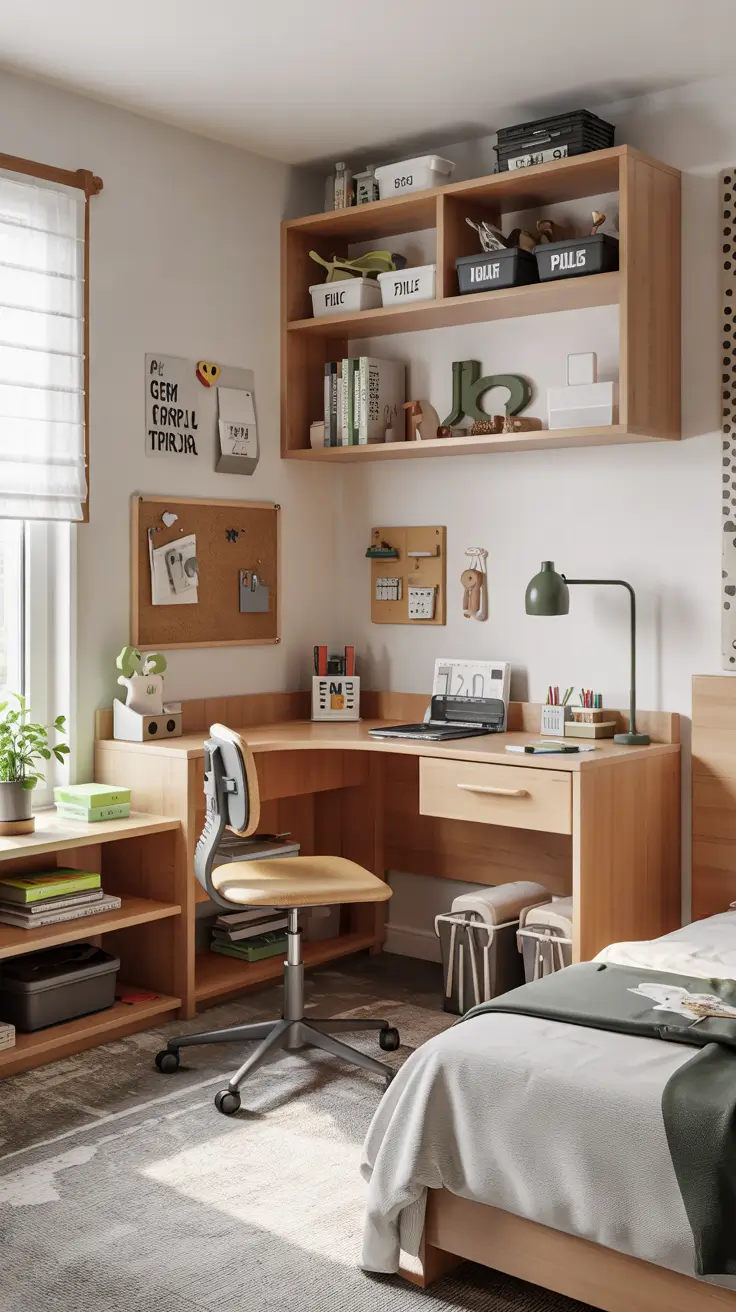
For furniture, I start with a compact desk or a wall mounted top, then I add a narrow drawer unit that can slide under one side. I always include a task chair that is adjustable because kids grow fast, and comfort directly affects how long they can work. Lighting matters in a corner, so I add a swivel wall sconce or a small desk lamp with a warm-neutral tone. If the desk is near a window, I keep the surface shallow so it does not block natural light. For kids desk ideas with storage, I like a small shelf tower above the desk for books and bins, and I keep the bottom shelf for everyday items.
In my experience, a corner setup becomes more inviting when it has one personal element that still stays calm, like a corkboard with a few art pieces or a small plant. Many designers emphasize that routines work better when supplies have a home, so I keep pencil cups and paper trays consistent and easy to reach. I also recommend a soft rug under the chair to reduce noise and make the area feel separate from the rest of the room. When I design homework station small spaces, I focus on fewer items but better placement, and that usually produces better focus than adding more decor. If this is for kids desk ideas boys, I keep the palette grounded and add texture through wood, felt, or matte metal instead of loud patterns.
What I would add to strengthen this section is a simple cable plan and wall protection. I like to use adhesive cable clips under the desk and one small cable box so cords do not collect dust in the corner. If the child uses markers or crafts, I add a wipeable wall panel or a framed acrylic sheet behind the desk to protect paint. I also include a small wall hook for headphones or a backpack to keep the chair area clear. These details make the corner layout feel finished and easier to maintain.
9. Kids Desk Ideas With Storage For Organized Rooms
Storage-first desks work best when you want kids desk ideas with storage that reduce daily clutter and keep the room calmer. I like this approach for families who juggle schoolwork, art, and hobbies because everything can be sorted by category. In 2026, the trend is closed storage at eye level and open bins lower down, so kids can reset the space independently. This layout fits both kids desk ideas bedroom and a shared playroom corner, as long as the storage does not feel bulky. I often use light woods or soft neutrals to keep the storage wall from visually shrinking the room.
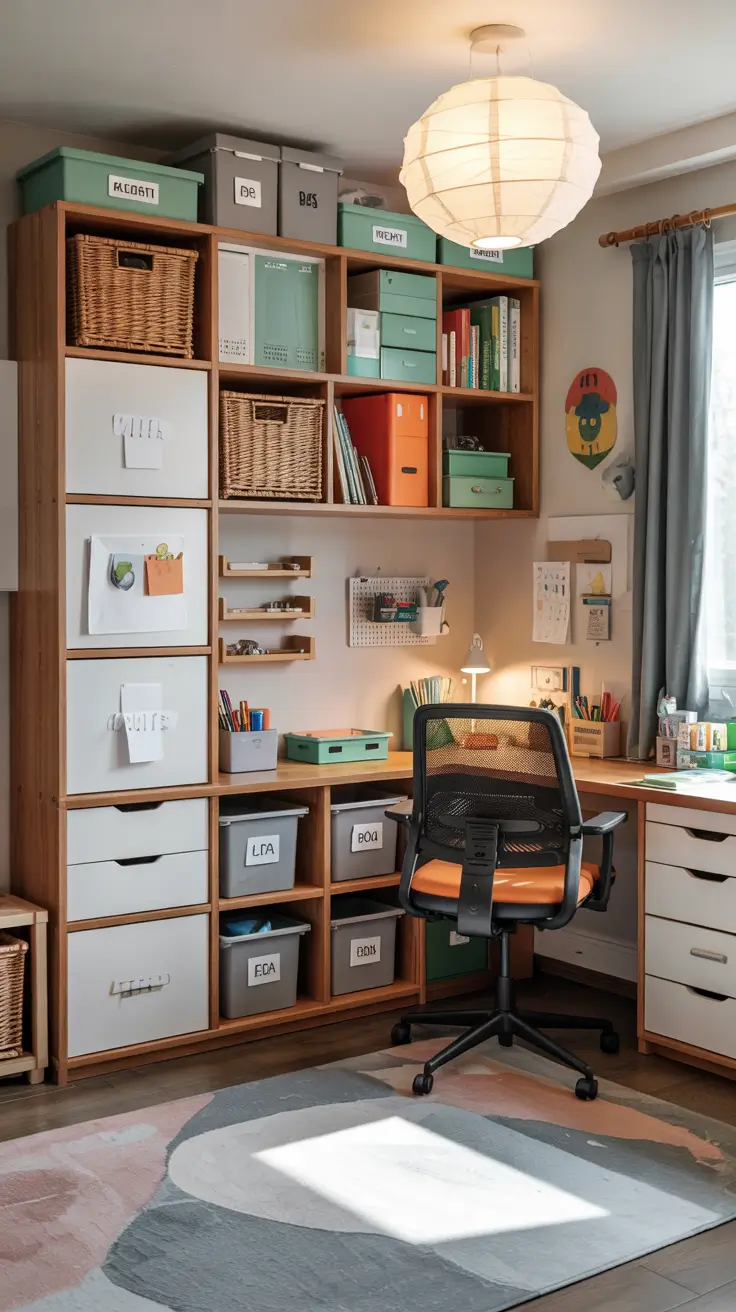
I typically build the setup around a simple desk and a modular system like Kallax, Trofast, or Elfa so the storage can evolve. For example, I put labeled bins for paper, crafts, and tech, then I keep one bin empty as a flexible catch-all for the week. I add a vertical file holder for worksheets and a shallow drawer for small tools like erasers and chargers. If the child reads a lot, I add one slim book ledge above the desk to display current books without taking up surface space. For kids desk ideas diy, you can achieve the same effect with affordable cube units, matching baskets, and a desktop that spans across them.
I have seen organized storage change the mood of a room because it reduces the constant visual reminder of unfinished tasks. A common guideline shared by many organizing-focused designers is to keep the most-used items between shoulder and hip height for easy access. I follow that by placing pencils and notebooks in the middle zone, and I keep rarely used supplies higher or lower. When I design a Homework station, I also leave at least one clear zone on the desktop so there is always a place to start. If the room is small, I avoid deep shelving above the desk because it can feel heavy and distracting.
To complete this section, I would add a quick system for sorting papers and a plan for labels that grow with the child. I like removable labels so categories can shift from coloring to math to homeschool projects. I also add a small recycling bin near the desk, which prevents paper piles from forming. If multiple children share supplies, I create separate color-coded bins so responsibility is clear. These small additions make storage feel like a tool, not just more furniture.
10. Trendy Kids Desk Ideas Bedroom Designs For 2026
In 2026, the most trendy kids desk ideas bedroom designs blend into the bedroom rather than looking like a school corner dropped into the space. I like to treat the desk as part of a cohesive zone with matching finishes, soft lighting, and a balanced backdrop. This works especially well for kids desk ideas in bedroom where the desk must coexist with sleep and play. I often place the desk near natural light but not directly beside the bed, so the room still feels restful at night. For teens or older kids, I aim for a minimal, grown-up look that still feels warm and personal.
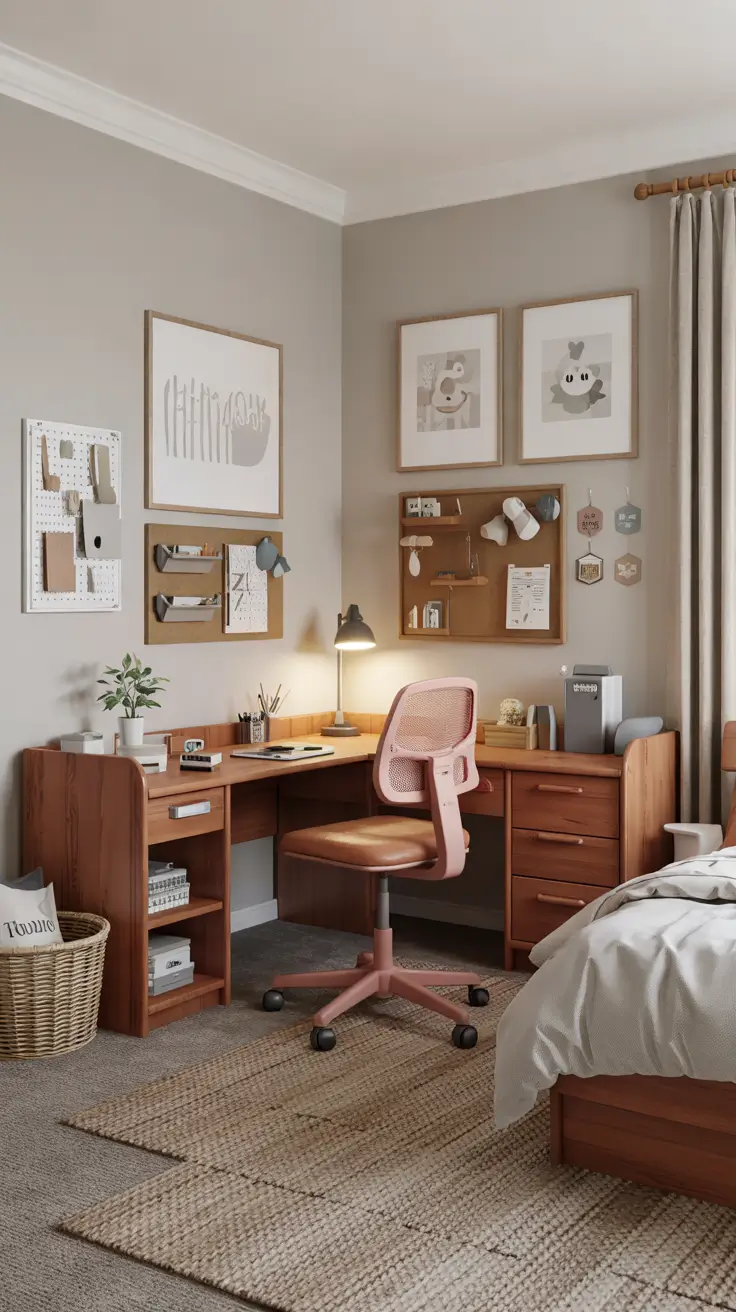
The key pieces I include are a streamlined desk, a supportive chair, and layered lighting that includes both task and ambient light. I like a desk with rounded edges for safety and a durable surface that can handle crafts and laptops. For the wall, I add a pinboard or rail system so frequently used items stay off the desktop. If the room is tight, I choose a slim drawer unit instead of a wide filing cabinet, and I keep the chair easy to tuck in. For a recognizable look similar to Pottery barn style, I use classic silhouettes, warm wood tones, and soft textiles, without making the desk area feel overly formal.
I find that bedrooms benefit from a desk setup that can close down visually at the end of the day. Designers often recommend separating sleep and work cues, so I use a small lidded box for tech and a tray for daily school items that can be put away quickly. I also keep wall decor calm near the desk because busy patterns can make concentration harder. If you are creating homework station boys work spaces, I lean into practical materials like oak, matte black hardware, and a durable woven rug. These choices keep the space feeling current while still being easy to live with.
To make this section more complete, I would add a noise and comfort layer that supports longer study sessions. A soft rug, felt chair pads, or fabric wall panels can reduce echo in a bedroom. I would also add a simple timer or visual schedule board if the child struggles with transitions. If screens are involved, I include a monitor riser or laptop stand to improve posture. These additions help the trendy look also perform well day to day.
11. Minimal Kids Desk Ideas For Small Spaces And Narrow Rooms
Minimal does not mean boring, especially when you are working with kids desk ideas for small spaces and narrow rooms. I use minimal layouts to keep the room breathable, which is important when the desk is near a closet path or doorway. In 2026, minimal desks often have slim legs, light finishes, and only the storage that is truly needed. This approach works for kids desk ideas small spaces because it reduces visual clutter and keeps cleaning simple. I also like it for apartments because it adapts well without permanent changes.
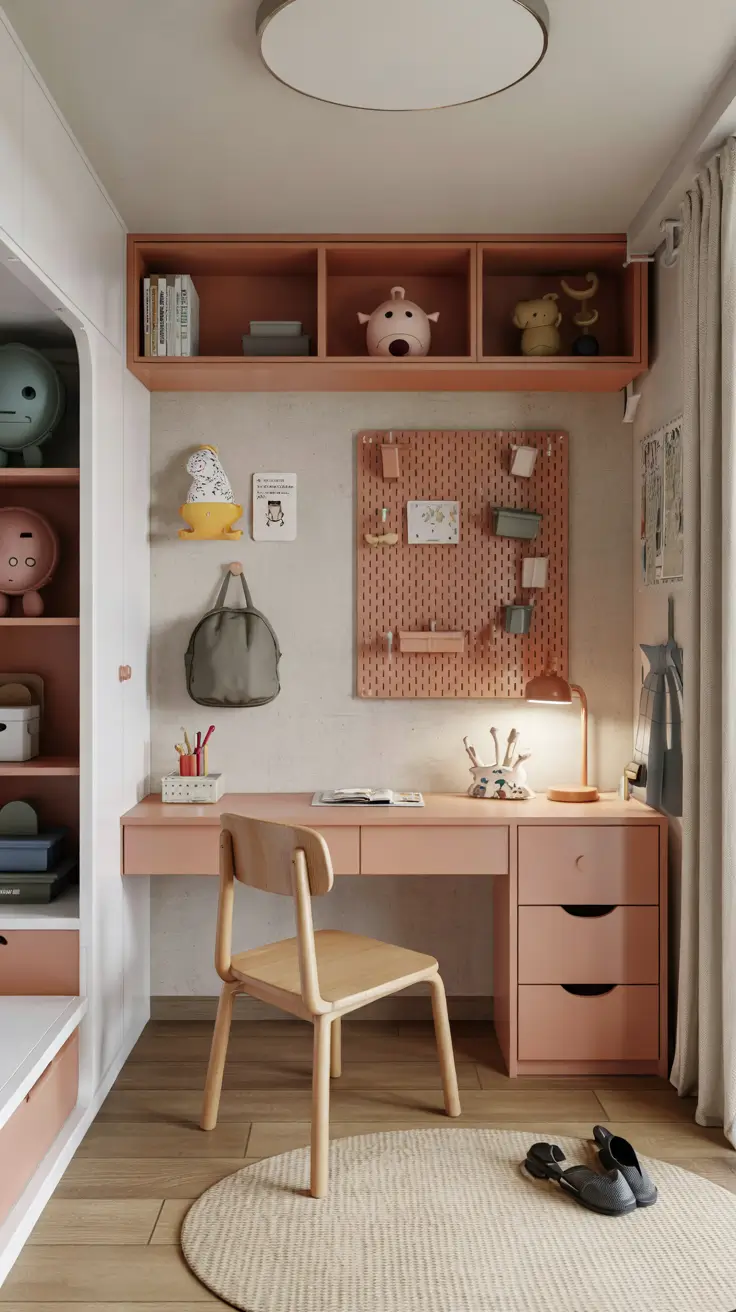
For the furniture plan, I start with a narrow desk depth and a chair that can tuck fully under. I prefer a wall-mounted shelf above the desk rather than bulky upper cabinets, and I keep it shallow to avoid a heavy look. For supplies, I use a small set of stackable trays and one slim drawer caddy, rather than multiple containers across the surface. A pegboard or rail with cups can replace desktop organizers and keep the work area clear. If you want kids desk ideas diy, you can mount a simple countertop to the wall with brackets and add one rolling cart for flexible storage.
From my own projects, the most important minimal move is leaving negative space so the child does not feel boxed in. Many workspace experts emphasize that a clear start zone improves follow-through, so I keep at least one-third of the desk empty. I also prioritize lighting because narrow rooms can feel dim, and good light makes the space feel larger. If the room is shared, I add a small divider panel or bookshelf nearby to create a boundary without adding walls. This is one of my favorite ways to handle Homework station small spaces simple needs while keeping the look modern.
To strengthen this section, I would add a measurement checklist and a comfort plan for longer sessions. I like to confirm chair height, elbow angle, and screen height so the setup supports good posture. I also add a small footrest if the chair is too tall, which is common with kids. For narrow rooms, I include a wall hook or slim backpack hanger so items do not land on the floor. These practical additions make minimal spaces feel thoughtfully designed.
12. Homework Station Ideas That Encourage Focus And Learning
A strong Homework station is less about decoration and more about reducing friction. I design these stations to support consistent routines, especially during busy weeks when motivation is low. In 2026, homework zones often include a clear task surface, predictable storage, and lighting that feels calm rather than harsh. This can live in a bedroom, a hallway nook, or even a dining area if the setup is intentional. I keep distractions low by limiting visual clutter and giving the child a clear place to sit, write, and reset.
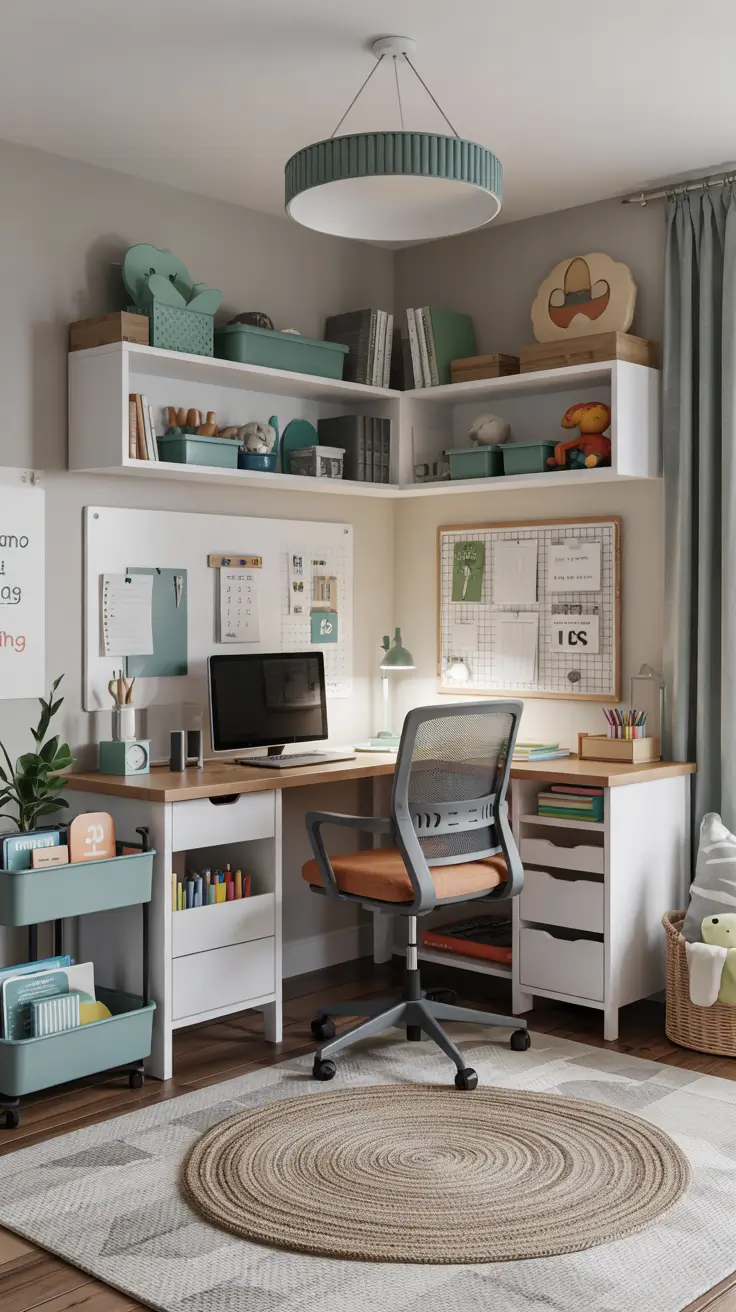
My go-to items include a desk or table with enough depth for books and a laptop, a comfortable adjustable chair, and a dedicated supply set. I include a small clock or timer, a charging spot, and a container for the daily essentials like pencils, highlighters, and scissors. For kids desk ideas homework station diy, I often use a simple table plus wall shelves and a rolling cart to create zones for paper, tech, and art. If the child is sensitive to noise, I add soft elements like a rug and curtains to dampen sound. For shared families, I keep separate trays for each child to prevent mixing materials.
In practice, focus improves when the station supports a simple start-up routine. Many educators and productivity writers recommend keeping routines consistent, so I place the most-used items in the same spot every time. I also suggest a short reset at the end of each session, like putting paper in a tray and charging devices. If you have kids desk ideas for two or Multiple learners, I add a shared reference shelf for dictionaries and supplies, then individual bins for personal items. That balance keeps the station orderly without feeling rigid.
What I would add to complete this section is a plan for flexibility across subjects and ages. I like a dry-erase board or pinboard for reminders, plus one flexible bin that can rotate between art, science, or homeschool units. If Homeschool is part of your life, I add a small cabinet for curriculum storage and a labeled system for current versus archived materials. I also include an ergonomic note, like keeping screens at eye level and using a footrest if needed. These additions keep the Homework station effective over time.
13. Kids Desk Ideas For Small Spaces With Creative Layouts
Creative layouts help when you have kids desk ideas for small spaces but still want the desk to feel special. I like to use unconventional spots like under a loft bed, inside a closet nook, or along a short wall near a window. These solutions can look modern and intentional, not improvised, when the materials and lighting are cohesive. In 2026, built in and niche-like desks are popular because they maximize every inch while keeping the room tidy. This is also helpful in apartments where you need function without permanent renovations.
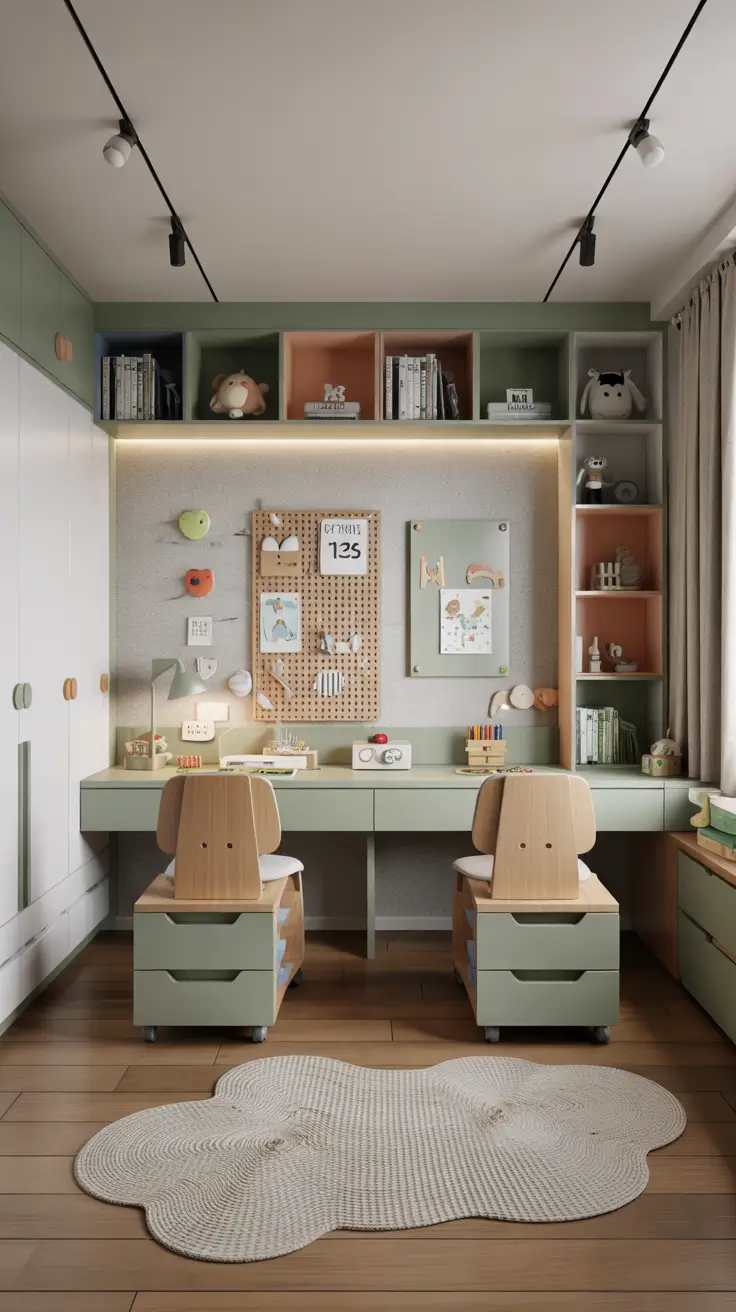
For the design, I often create a built in look using a wall-to-wall desktop, side panels, and a simple shelf above. If two children share, kids desk ideas for two can work with one long desktop and two chairs, plus separate drawers or carts for each child. For a Three-child setup, I prefer staggered stations or a shared long counter with clearly assigned zones to prevent crowding. If you want a playful game-inspired vibe like Bloxburg, I keep lines clean and add fun accents through color blocks, LED strip lighting behind a shelf, or a graphic pinboard. I always include at least one closed storage element so the creative layout does not turn into visual chaos.
I have noticed kids engage more when the desk area feels like it belongs to them, not just a requirement. Designers often talk about zones, and I use that idea by creating a clear work zone and a separate display zone for achievements or favorite items. If the desk is in a closet nook, I add a curtain or sliding panel so the work area can be visually closed at night. For small spaces, I also like fold-down desks, but I only recommend them if the child can manage the mechanism safely. With thoughtful planning, creative layouts can be the most practical option because they use space that was not working before.
To enhance this section, I would add a safety and airflow plan for niche locations. Under-bed desks need good lighting and ventilation, so I include a wall sconce and keep the chair area open. Closet nooks benefit from a small battery light or puck lights if wiring is not possible. I also recommend a cork strip or rail system for hanging tools without drilling too much. These additions make creative layouts feel comfortable and finished.
14. Stray Style Kids Desk Ideas With Playful Design Touches
Stray style, as I use it here, is a playful, slightly eclectic look that still stays modern and organized. I like this approach for kids who need joy in their environment to stay motivated, but who also benefit from clear structure. The goal is a desk area that feels creative without becoming visually overwhelming. This can work in kids desk ideas bedroom setups or in a shared family space if the palette stays cohesive. I keep the base neutral and add playful touches in a controlled way, so the desk still supports focus.
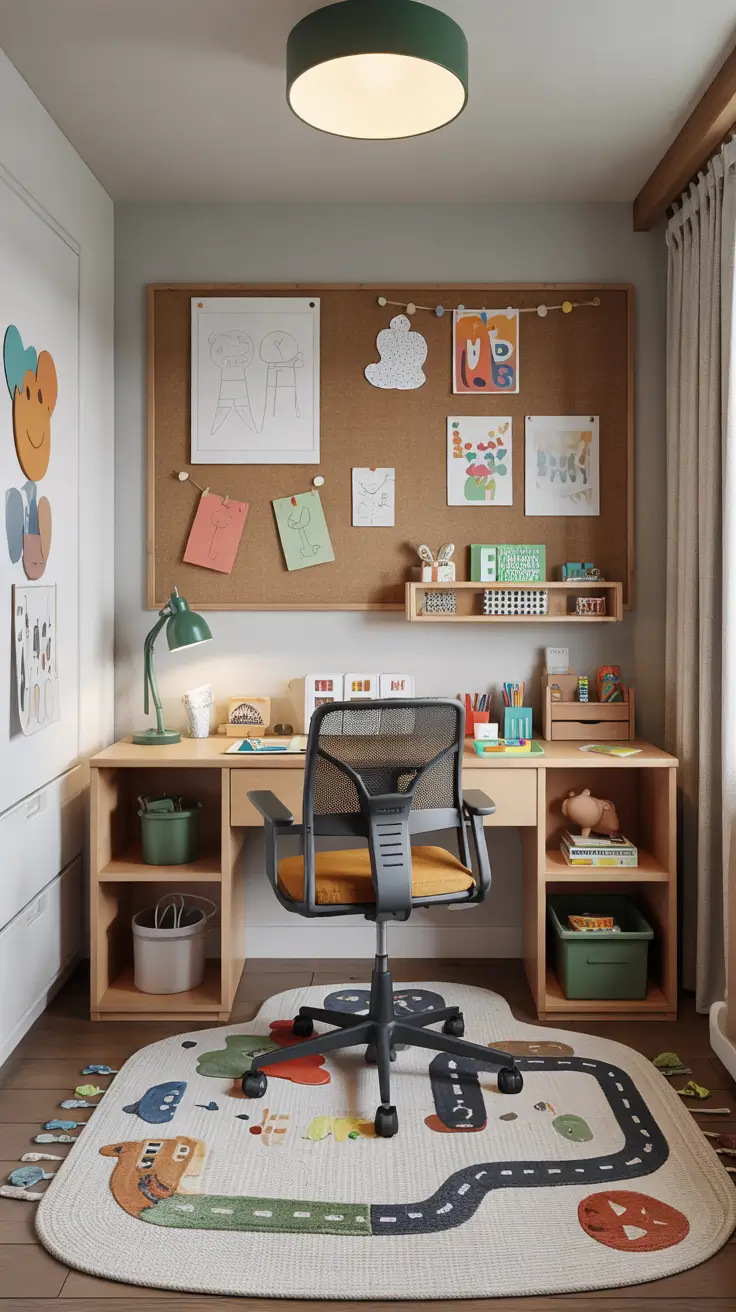
For the furniture, I start with a simple desk silhouette and add character through accessories like a colorful desk lamp, a patterned rug, or a unique chair cushion. I include open bins for art supplies and one closed box for items that look messy, like cables and chargers. A gallery rail or pinboard works well here because it lets kids rotate drawings and keeps the wall lively without cluttering the desk. If the space is shared, I use matching furniture but different accent colors so each child has ownership. This style also pairs well with Trofast or Kallax because you can swap bin colors as interests change.
In my experience, playful design works best when it is paired with a strong organization backbone. Many interior designers recommend repetition and restraint, so I repeat one or two colors and keep the rest of the elements simple. I also keep patterns to one zone, like the rug, so the eye has a place to rest. If you are creating kids desk ideas boys in this style, I use graphic shapes, sporty accents, or vintage-inspired posters while still keeping storage practical. When I combine creativity with routine, kids tend to return to the desk more willingly, which is the real win.
To complete this section, I would add a rotation plan and a cleanup ritual that matches the playful vibe. I like a monthly swap of wall art and a weekly reset of bins so the space stays fresh. I also add a small display shelf for one or two special items, because limiting display prevents clutter. If the child loves crafting, I include a protective desk mat and a small lidded container for glue and paint. These additions keep stray style fun while still functioning as a true homework station.
15. Homework Station Small Spaces Ideas For Compact Homes
In a compact home, I like to treat the homework area like a mini built in nook, even if it is made from ready pieces. I place the desk against a wall with the cleanest sightline so the room still feels open, which is key for Homework station small spaces. To keep kids desk ideas for small spaces practical, I choose a slim profile desk or a wall-mounted surface and pair it with vertical storage. I pay attention to natural light, then add a task lamp so evenings feel consistent and calm. This approach works well for kids desk ideas bedroom setups because it does not compete with the bed as the main visual element. The goal is a clear surface that supports daily routines without taking over the room.
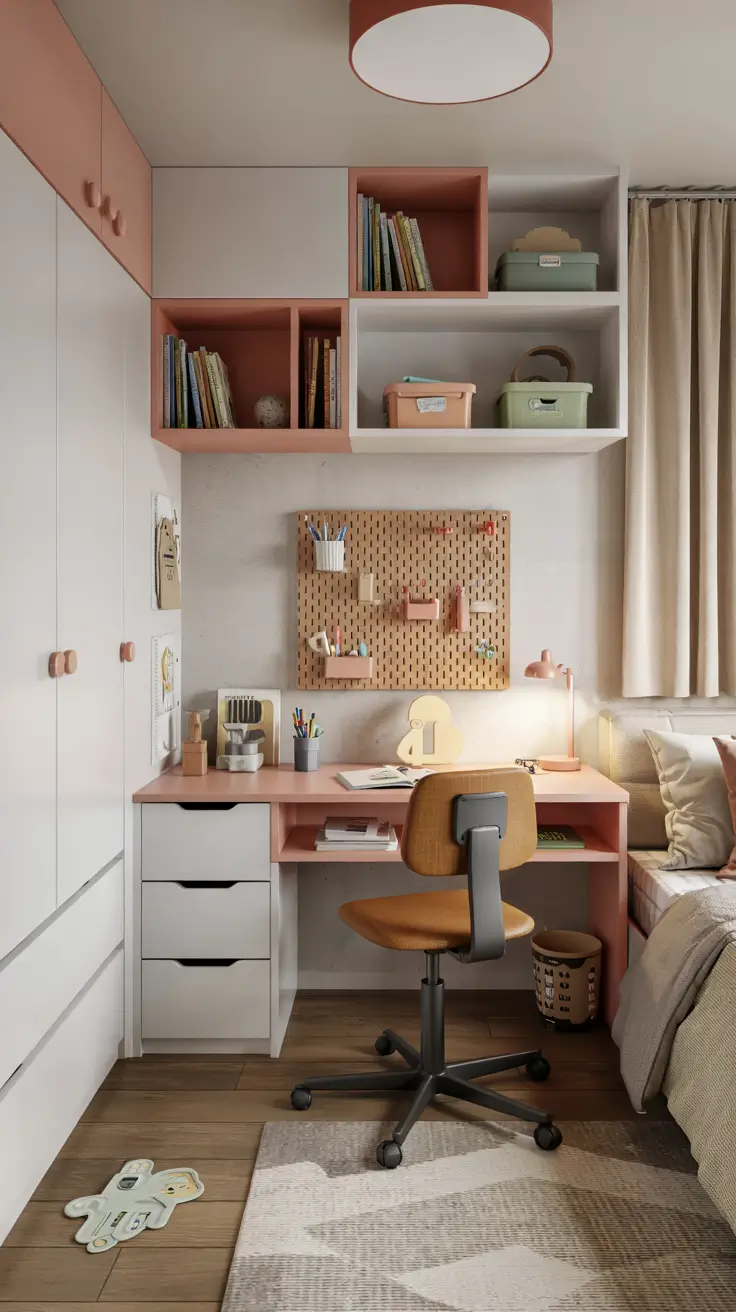
For furniture, I start with a narrow desk, an adjustable chair, and a compact drawer unit that can slide under the tabletop. I add a pegboard or rail system above the desk for frequently used items like scissors, rulers, and headphones, which helps prevent Stray clutter. If the room is very tight, I use a floating shelf as a book ledge and keep only the current week’s materials within reach. I like closed bins in a low cabinet because they make Small spaces feel calmer than open piles. A soft corkboard or fabric pinboard gives kids a place for schedules and reminders without taping paper to walls. These details turn kids desk ideas small spaces into a functional daily station.
In my experience, the biggest win in a small homework corner is consistency – the same items live in the same places every day. I follow a principle often shared by organizing professionals and design editors: reduce visual noise to reduce distraction, especially in kids work spaces. I also make sure there is an easy cord path and a charging spot so devices do not migrate to the bed. If the child is younger, I keep the work surface slightly deeper than you think so elbows have room and posture stays relaxed. When I set up Homeschool days in compact rooms, I add a portable caddy so lessons can move to the table without losing supplies. That flexibility makes the station feel supportive instead of restrictive.
What I would add to this section is a quick measurement plan and a lighting checklist tailored to the specific corner you choose. I also recommend a small “reset zone” like a tray or inbox for papers that need a parent signature. If you have two children sharing a small area, I would add a simple schedule board so the station does not become a conflict point. Consider adding a thin rug or floor mat to define the nook visually without adding bulk. Finally, I would include one decorative element, like a framed print or a small plant, to make the Homework station feel inviting without adding clutter.
16. Double Kids Desk Ideas For Shared Homework Stations
When two kids share one work area, I plan it like a calm, balanced workstation with equal comfort on both sides. A Double setup works best when the desk feels continuous, with enough elbow room so both children can spread out without bumping. I often place the desk along a long wall, or under a window if glare is controlled, to keep the room feeling bright. This is one of my favorite kids desk ideas for two because it can look clean and modern while still being highly practical. I also make sure each child has a defined zone so Shared use stays fair and predictable. With the right layout, kids desk ideas homework station diy can also be adapted for two by using one long top and two drawer bases.
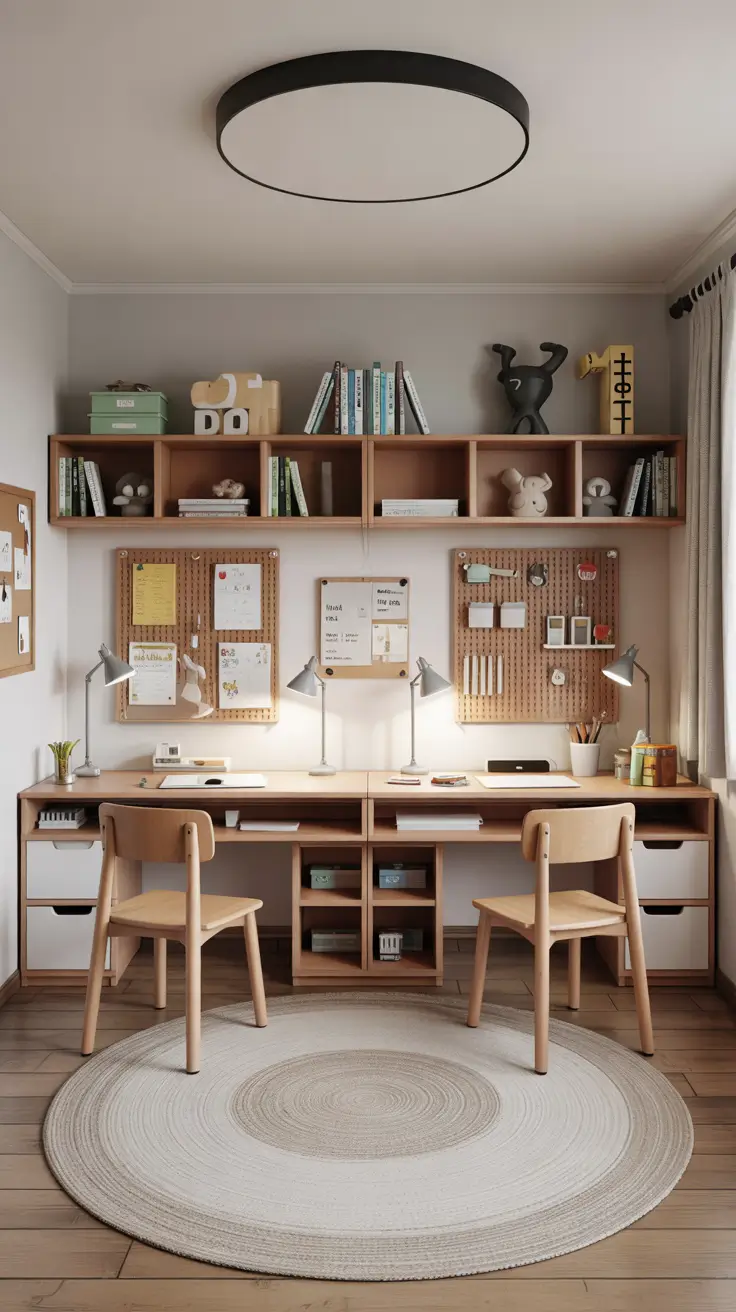
For the furniture plan, I start with a long tabletop and two identical chairs to keep posture consistent. I add a center divider element like a small shelf, a desktop organizer, or a low bookcase to give privacy without blocking light. Storage works best when mirrored, so I use two matching drawer units or two sets of bins, one for each child. I like labeling with simple words or colors, especially for younger kids, because it reduces daily arguments over supplies. A pinboard split into two halves helps each child track assignments without mixing papers. If the room is small, I choose slim chairs that tuck fully under the desk to preserve walking space.
In my own projects, I have found that a shared station succeeds when the rules are built into the design. Design advice commonly repeated in family-focused interiors is to give each child dedicated storage and a dedicated light source, and I agree because it prevents constant shifting of items. I also pay attention to acoustics – adding a soft rug or curtains can reduce noise and make focus easier. If the children use devices, I include a cable channel and two charging spots so cords do not tangle in the middle. For Homework station boys work spaces, I sometimes add a small display shelf for hobbies to make the area feel personal without cluttering the desktop. That balance helps kids feel ownership while keeping the station functional.
What I would add here is a simple spacing guide based on age, because chair width and arm movement change quickly as kids grow. I would also include a storage “swap zone” where shared items like staplers or calculators live, so nothing goes missing. If the station sits in a bedroom, I would add a visual boundary like a wall color block or a vertical panel to separate sleep from work. Consider adding a timer or small clock to support focused sessions and breaks. Finally, I would add a plan for wall art that stays calm, since busy visuals can increase distraction in Shared work zones.
17. Multiple Kids Desk Ideas For Busy Family Homes
In a busy home, I treat the homework area like a small classroom hub that still feels warm and residential. Multiple work spots can be arranged along one long wall, or as an L shape that uses a corner efficiently. I like this approach when family schedules overlap and more than one child needs a seat at the same time. It also supports Homeschool routines, where different subjects and materials need quick access. The trick is keeping it from feeling chaotic, so I plan consistent storage and a simple color palette. Done well, it becomes one of the most useful kids desk ideas homework station options for a high-energy household.
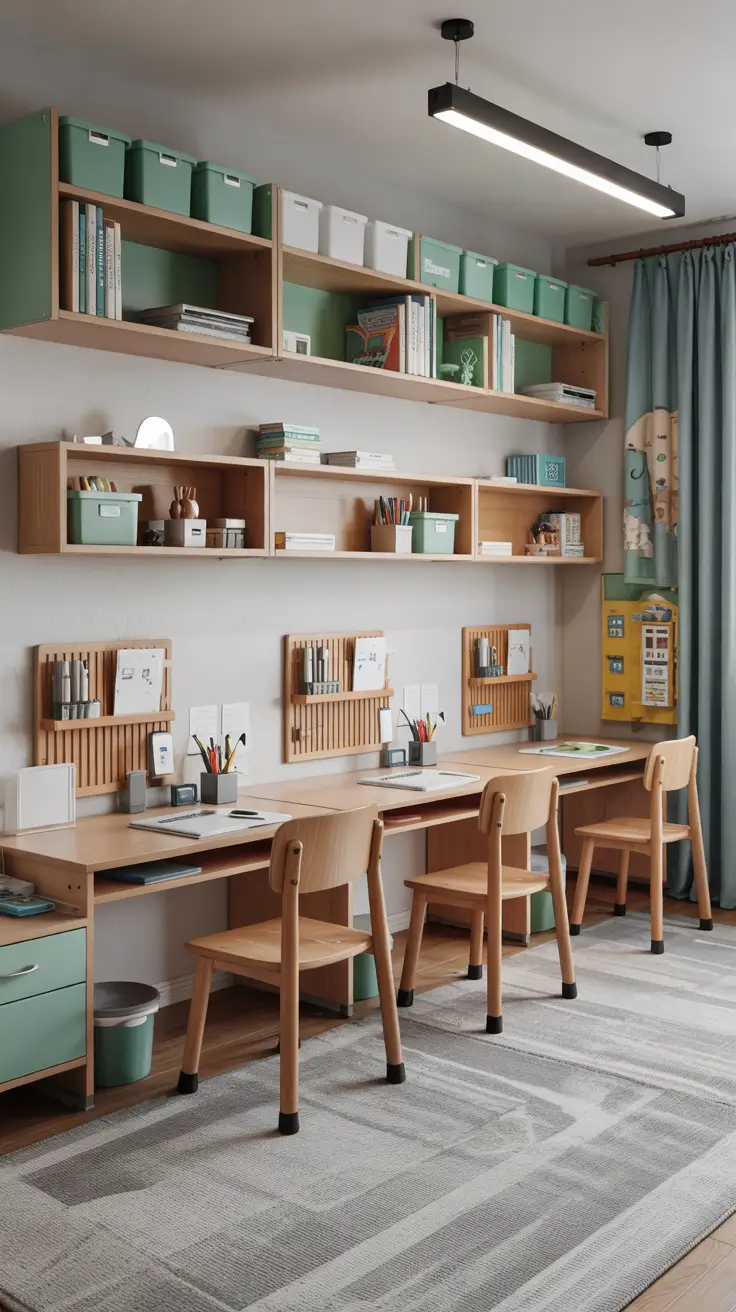
For furniture, I lean on modular components: a long countertop-style desk, identical chairs, and repeatable storage units beneath. I like using systems such as Elfa for vertical organization and Trofast bins for grab-and-go supplies, because they handle volume without looking messy. Each seat gets a small personal drawer or bin set, and shared materials live in a central cabinet. I add a continuous wall shelf above the desks for books, plus individual task lights so lighting is even across the row. If the room is narrow, I choose shallow shelving so the walkway stays clear. This layout also works for kids desk ideas diy because you can build the long top and combine it with ready-made storage.
From my experience, the biggest issue with Multiple desks is paper flow – without a plan, it spreads everywhere. I follow a practical rule often recommended by organizing experts: create an “inbox” and “outbox” system, so completed work and incoming assignments never mix. I also like adding a weekly reset routine where kids return markers, plug in devices, and clear the surface. If the family uses laptops, I include a hidden power strip and a cable tray so the wall does not become a cord jungle. For Creative kids, I provide one dedicated art drawer so projects do not take over every seat. This keeps the hub productive while still welcoming.
What I would add to this section is a sound and privacy strategy, because Multiple users can increase noise and distraction. Simple dividers, headphones, or staggered seating can help without making it feel like an office. I would also add a plan for ventilation and lighting if the hub is in a hallway or basement-like space. Consider adding a small rolling cart for lesson materials during Homeschool days, then parking it away afterward. Finally, I would include a clear rule for what stays on the desk overnight so mornings start smoothly.
18. Shared Kids Desk Ideas For Siblings And Study Zones
When siblings share a room, I design the study zone to feel separate from play and sleep, even if it is only a few feet away. I often use a kids desk ideas corner arrangement so the work area has natural boundaries, which helps focus. The best shared setup makes it easy to sit down, start homework, and pack up quickly when the room needs to return to normal life. I also think about personality differences – one child may like quiet while another prefers background music. That is why I like a flexible layout with zones rather than one blended surface. This approach fits kids desk ideas in bedroom spaces where every square foot matters.
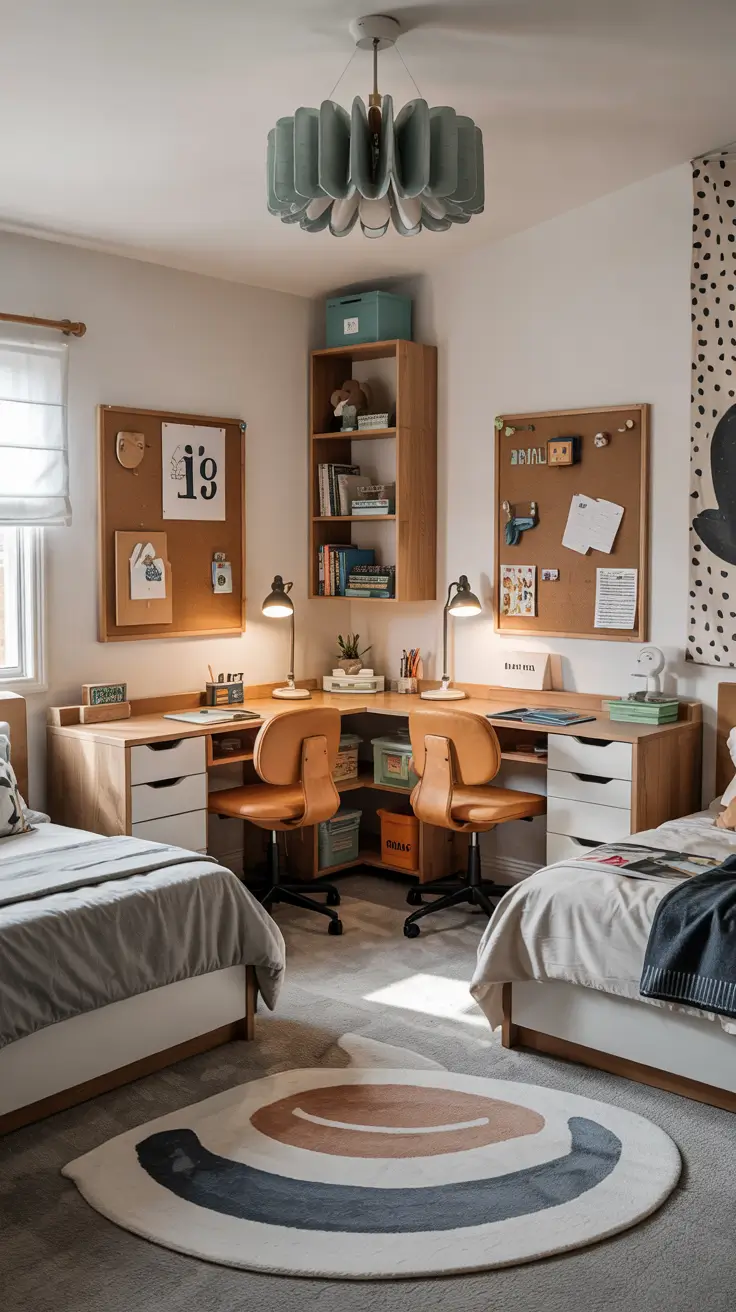
For furniture, I choose either a corner desk with two sides, or two compact desks placed in a shallow V shape to create separation. I add storage that is clearly assigned, like two drawer units or two stacks of Trofast bins, so there is no confusion. If floor space is tight, I go vertical with shelves and a bulletin area for each child. I also like a small center table lamp or two wall sconces so the desktop is well lit without eating up space. To keep the mood calm, I use matching materials and finishes, then add small personal touches like a nameplate or a favorite color bin. This keeps Shared zones visually coherent while still feeling fair.
In my own work, shared sibling stations succeed when the design prevents friction before it starts. A common recommendation in family interior planning is to make “personal territory” obvious, and that advice holds up in real rooms. I also pay attention to chair comfort and floor support, because wiggly seating can lead to constant movement and distraction. If one sibling needs more structure, I add a simple checklist board for routines and a small timer for focus sessions. For kids desk ideas boys, I sometimes include a durable desktop mat and a spot for building sets so hobbies do not creep onto homework space. These small adjustments make the study zone feel supportive rather than strict.
What I would add here is a plan for handling different schedules, such as one child doing Homework station time while the other is winding down. I would also include a strategy for shared device rules, especially if they use one printer or tablet. Consider adding a small “quiet box” with headphones, fidgets, or calming tools to help transitions. If the desk is near the bed, I would add a visual cue like a wall panel or a narrow bookcase to reinforce separation. Finally, I would add guidance on spacing and chair height so both children stay comfortable as they grow.
19. Vintage Kids Desk Ideas With Timeless Appeal
A Vintage-inspired desk area can feel warm and personal, especially when it blends old charm with modern function. I like using a classic wood desk silhouette, paired with cleaner accessories, so the room feels current for 2026 but still timeless. This style works well in kids desk ideas bedroom layouts because it can look like real furniture rather than a temporary school setup. I often place the desk near a window and add soft wall color to highlight the patina and texture. The key is balancing character with organization so it stays practical for daily homework. With the right choices, a Vintage setup can still be a strong kids desk ideas with storage solution.
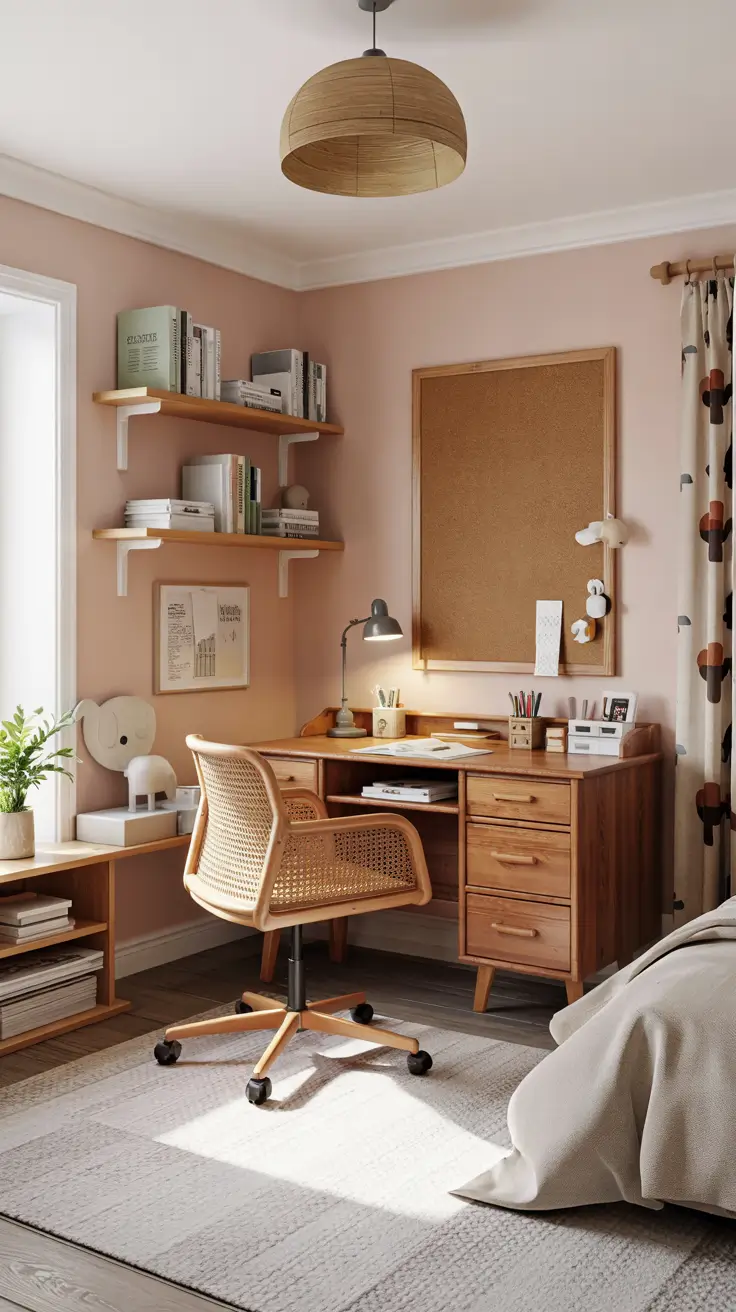
For furniture and decor, I start with a sturdy desk that has at least one drawer, then add a supportive chair that fits the child’s height. I like a small vintage-style hutch or a wall shelf above for books, but I keep it minimal so it does not feel heavy. Storage can be updated with modern inserts like labeled trays, file boxes, and a hidden charging drawer for devices. I add a warm task lamp with an adjustable arm so the light is functional, not just decorative. A simple corkboard in a wood frame fits the theme and gives a spot for schedules and artwork. To keep Small spaces from feeling crowded, I limit decorative objects to a few meaningful pieces.
From my experience, Vintage works best when you treat it as a mood, not a strict rule. Many design editors recommend mixing eras to keep a room from feeling like a set, and I agree because kids rooms need flexibility. I have found that adding one modern element, like a sleek lamp or a simple storage tower, keeps the station from feeling dated. I also avoid fragile decor and choose finishes that can handle real use, including spills and pencil marks. For Homeschool families, I add a rolling cart in a matching finish to keep materials close but movable. That way the station feels classic while still supporting modern routines.
What I would add here is a plan for updating the desk as the child grows without losing the Vintage look. Swapping hardware, updating the chair, or adding a modern organizer can keep it functional through different ages. I would also add a protective desktop layer like a clear mat to preserve the surface while keeping the wood visible. Consider adding a small gallery wall with simple frames to reinforce the timeless feel without clutter. If the room is shared, I would add a second matching chair and a split storage plan to keep it fair. Finally, I would include a quick checklist for safe refinishing choices if you are restoring an older piece.
20. Three Kids Desk Ideas For Large Families And Homeschool Rooms
Designing for three kids at one station is all about flow, spacing, and making sure the room stays calm. I usually plan a long wall-based desk where three seats fit comfortably, with a clear path behind the chairs. This is especially useful in a Homeschool room, where learning happens daily and materials need a home. I focus on durability, since high use can wear down finishes quickly. To keep it from feeling like a classroom, I use warm lighting and home-like decor touches. When done right, it becomes one of the most efficient kids desk ideas homework station setups for large families.
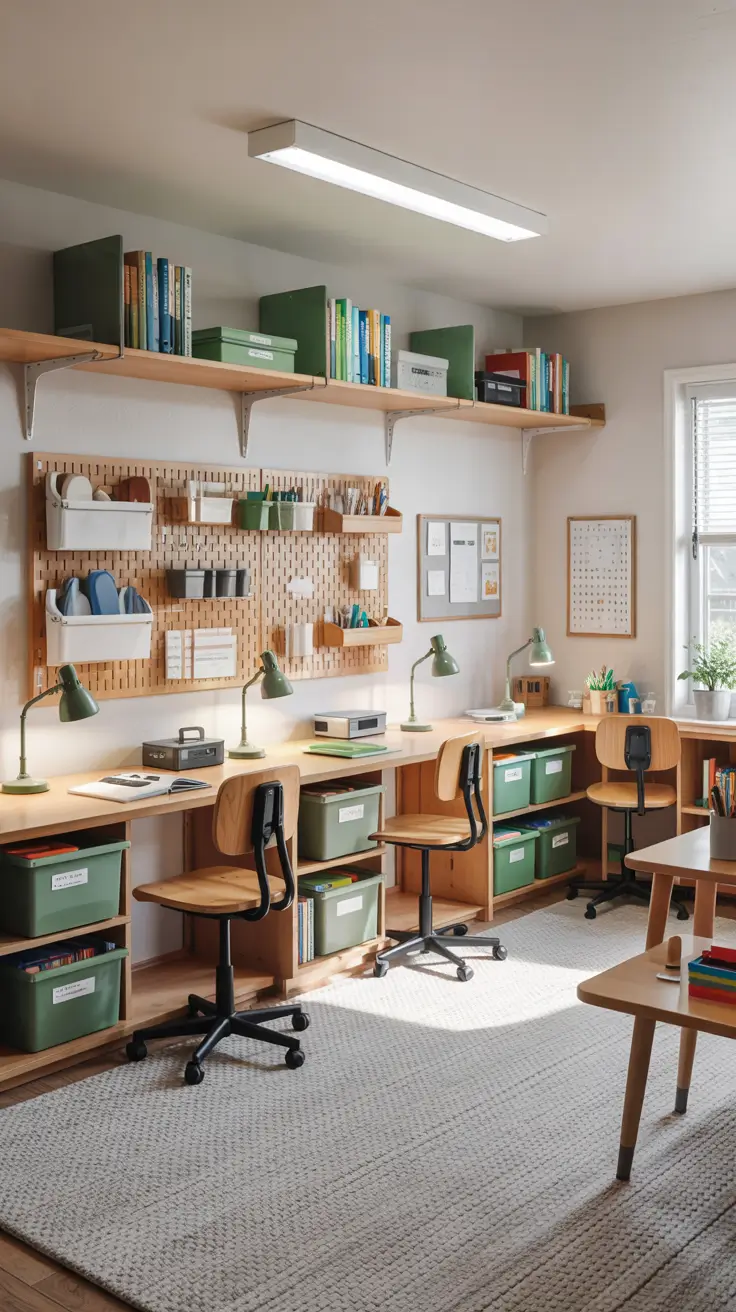
For furniture, I like a single continuous top with three work zones defined by storage or lighting. Each child gets a drawer unit or a set of Trofast bins, and I keep shared supplies in a central cabinet. I include three task lights so each zone is equally lit, which reduces complaints and eye strain. Above the desk, I install a shelf for books and a rail or pegboard for daily tools. If the room allows, I add one extra table nearby for group projects or messy activities, so the main desk stays cleaner. This layout can also be adapted as kids desk ideas homework station diy by using a butcher block top and sturdy supports.
In my experience, three-seat stations succeed when the routines are designed into the storage. I follow a practical approach recommended by many organization-focused designers: each child has a personal bin for current work and a personal bin for supplies, plus one shared bin for household items like tape and staplers. I also like using a simple weekly planner on the wall so everyone knows what is due, which is helpful for Homeschool pacing. If the kids have different ages, I place the youngest at an end where an adult can assist easily. I also plan a “reset” step at the end of the day so the space is ready for the next morning. That habit matters even more with Three users.
What I would add here is a comfort and ergonomics note, since three chairs can lead to cramped posture if sizing is off. I would also add guidance on noise control, like soft surfaces and optional headphones, because multiple learners can distract each other. Consider adding a single printer station and paper storage away from the desks to prevent piles from spreading. If you have limited wall space, I would add a rolling whiteboard that can move between zones. Finally, I would include a plan for display space that celebrates work without covering the walls in loose papers.
21. Kallax Based Kids Desk Ideas With Modular Storage
Kallax-based setups are some of the most flexible kids desk ideas with storage because they can shift with age, interests, and room changes. I like using Kallax as the structural backbone for a desk, especially in Small room layouts where every piece needs to do more than one job. This system can be configured as a built in look without permanent construction, which is perfect for renters or anyone who likes to refresh a room in 2026. I often place the desk in a bedroom or a corner so it becomes a stable Homework station that does not float awkwardly in the space. Because the cubes are modular, it also works for kids desk ideas diy adjustments over time. The result is a tidy zone that supports both schoolwork and creative projects.
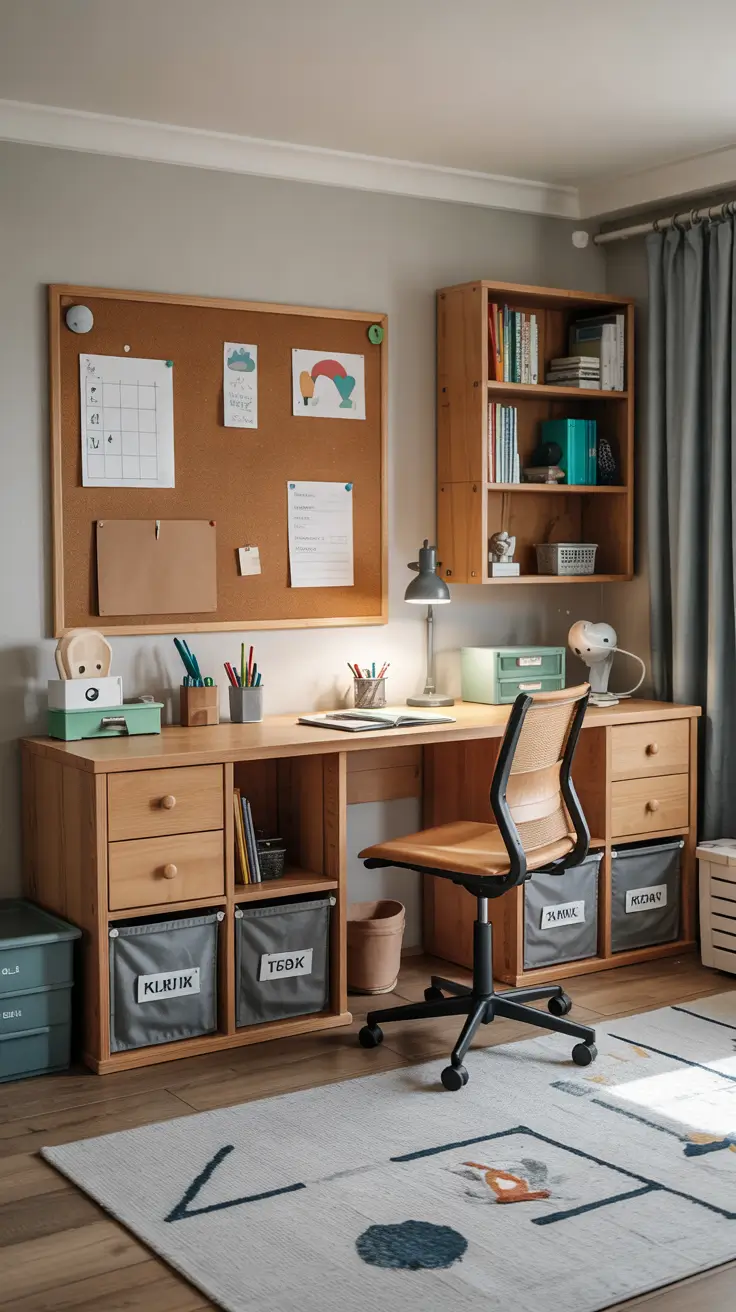
For the furniture plan, I use one or two Kallax units as bases, then add a sturdy tabletop across them for a clean desk surface. I include cube inserts like drawers, doors, and fabric bins to control visual clutter and keep Stray items contained. For supplies, Trofast-style bins or labeled boxes work well inside the cubes, and I keep the most-used items at child height. I add a comfortable chair, a dimmable task lamp, and a corkboard or magnetic board above for schedules. If the desk is in a bedroom, I match the tabletop finish to other furniture so the station feels intentional. This approach scales nicely from one child to a Double or Shared setup if you extend the top and add another chair.
In my experience, the best part of Kallax is that it teaches kids an easy organizing logic: one cube for one category. Many organization-minded designers recommend clear categories and simple resets, and Kallax supports that naturally because everything has a defined “home.” I also like that you can rotate bins seasonally, which is helpful for Homeschool units or changing interests. If a child is easily distracted, I use more closed inserts so the wall of cubes looks calm. For kids desk ideas boys work spaces, I often add one cube for building sets and one for sports gear so hobbies stay organized and off the desktop. That keeps the station practical while still personal.
What I would add here is a safety and stability plan, since tall storage should be secured properly and the desk top should be anchored. I would also add a quick guide for choosing inserts based on what the child actually uses daily, not what looks good in a photo. Consider adding a small “current work” tray on top so papers do not get shoved into random cubes. If you want a more built in look, I would add side panels or a wall trim detail to visually connect the units to the room. Finally, I would include advice on lighting placement so the cubes do not cast shadows on the workspace.
22. Built In Kids Desk Ideas For Custom Room Designs
When I plan built in desks, I start with the room’s natural flow and where a child already likes to sit, read, or draw. Built in solutions are my favorite kids desk ideas with storage because they turn unused wall space into a stable, quiet work zone. For 2026, I see more families wanting a Homework station that feels like part of the architecture, not an added piece of furniture. I like built in counters that run wall to wall because they create a generous surface without taking up floor space. This approach also helps in a Small room where every inch matters and visual clutter needs to be controlled. If you want kids desk ideas in bedroom layouts to look intentional, built in details are the quickest way to get that custom finish.
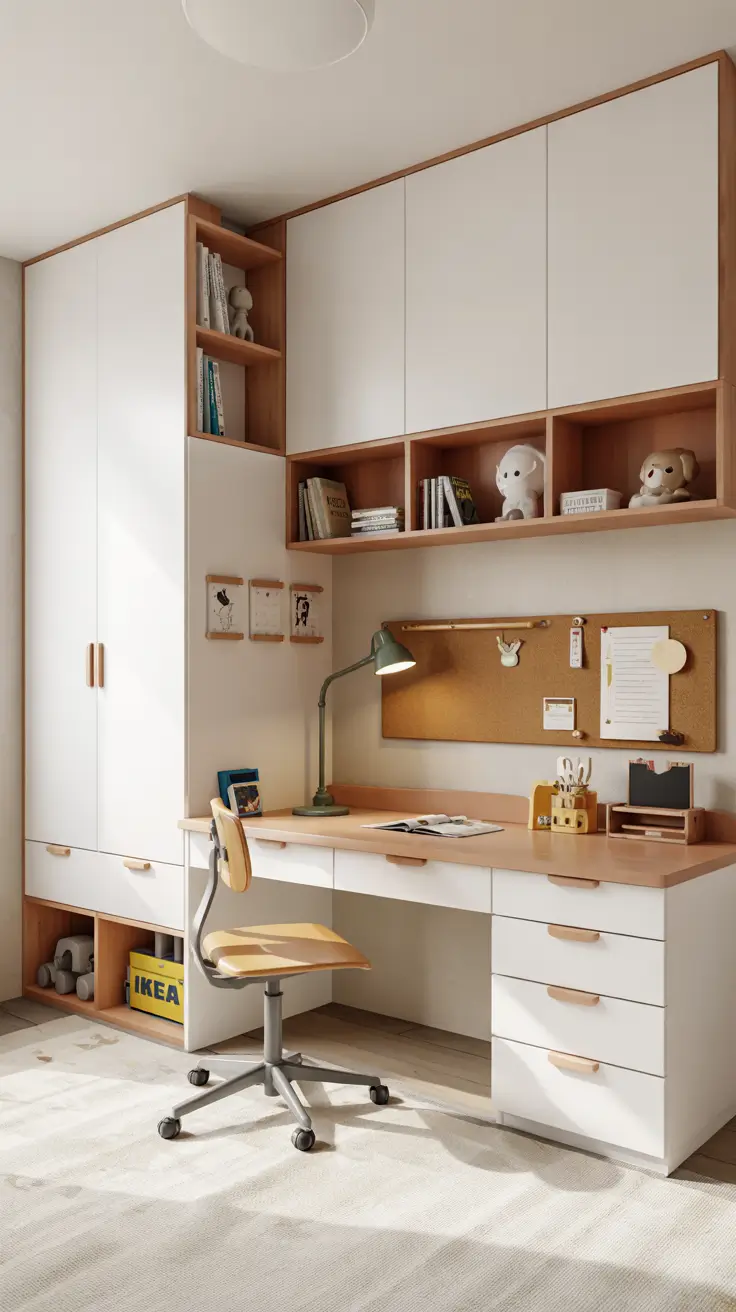
For the furniture and materials, I use a solid countertop, closed base cabinets, and a few open shelves to keep daily items within reach. I often add a pinboard or rail system above the desk so papers are displayed vertically, which frees the desktop and supports kids desk ideas homework station habits. Under the counter, I like mixing drawers with a slide out file bin for schoolwork, and I always include a charging drawer for tablets and headphones. For organization, I lean on modular inserts, and I will sometimes integrate IKEA Kallax cubes beneath one side for books and bins. If the child needs room to spread out, a Double depth section at one end can hold a laptop while still leaving space for writing. Good lighting matters, so I add a slim task lamp plus under shelf lighting to eliminate shadows.
In my experience, built in desks reduce the daily setup friction, which is what makes a homework area stick long term. I also follow the common guidance interior designers share in US media: prioritize ergonomics and lighting so kids can work without strain, then add storage that is easy to maintain. I keep the chair adjustable and choose a surface height that fits the child now, with a footrest if needed. I also recommend using a simple rule for supplies: only keep the essentials on top, and store stray items in labeled bins so the space resets fast. If you want it to feel personal, I like adding one framed print and one small plant, then stopping there. A calm visual field supports focus better than constant decoration.
What I would add to complete this section is a clear measuring plan and a maintenance routine. I would include the ideal depth for writing plus the clearance needed for knees and chair movement. I would also add a simple cable management diagram using grommets and a hidden power strip. If the desk will be used for art, I would specify a wipeable finish and a shallow drawer for sketchbooks. For long term flexibility, I would add adjustable shelves so the desk evolves from elementary through middle school. Finally, I would add a small calendar rail to support planning without covering the wall in papers.
23. Kids Desk Ideas For Small Room Layouts And Tight Spaces
When a space is tight, I focus on making the desk feel light, bright, and easy to approach. The best kids desk ideas for small spaces are the ones that do not block walking paths and do not compete with the bed or closet. I like floating desks, narrow consoles, and wall mounted fold downs that can close when not in use. In a Small room, a compact setup can still be a full kids desk ideas homework station if it has good lighting and smart storage. I also build in clear zones so the child knows where schoolwork happens and where play happens. This is how I keep kids desk ideas bedroom layouts from feeling chaotic.
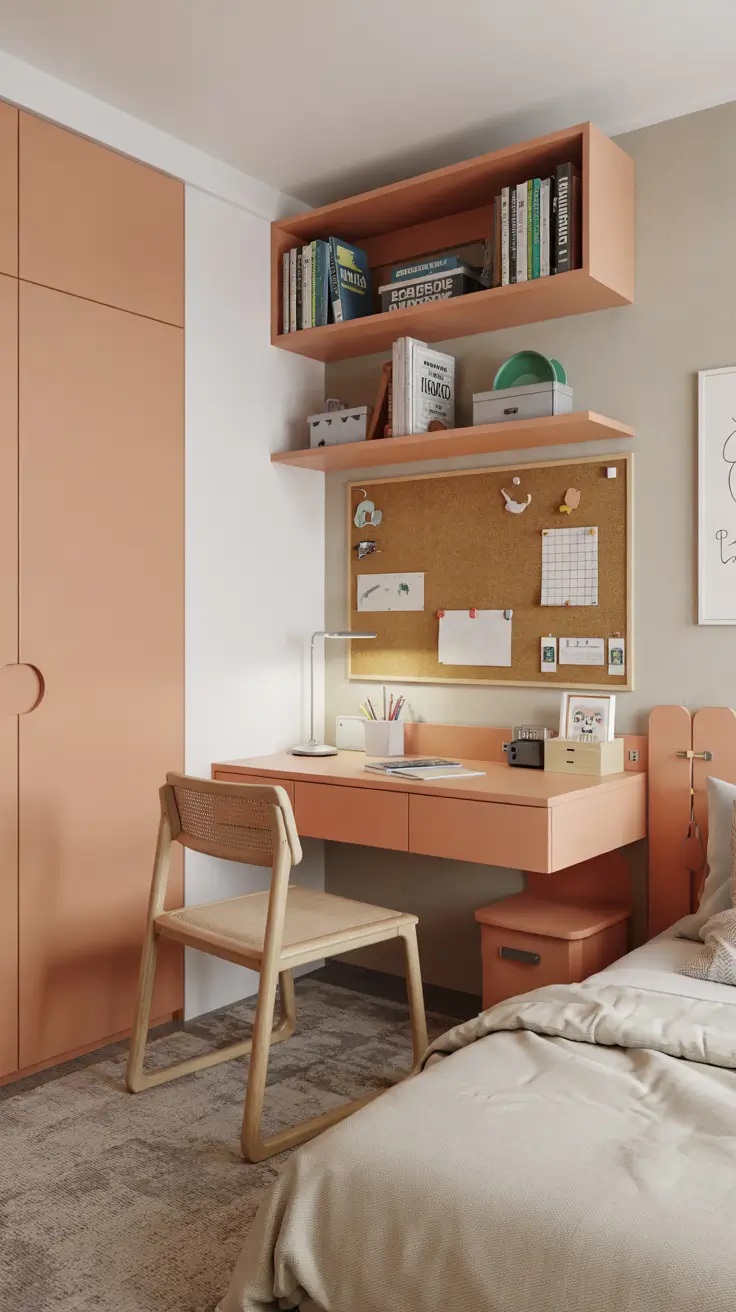
For pieces and layout, I choose a slim desk, an armless chair, and storage that goes up the wall instead of out into the room. A corner solution is one of my go to kids desk ideas corner strategies because it uses the least valuable floor area. Above the desk, I add shallow shelves for books and a small corkboard for schedules, then keep heavy storage low for safety. If the child shares a room, I sometimes create Multiple mini zones by using two wall shelves and two small lamps, even if the desk surface is Shared. For small spaces, I love a Trofast bin unit nearby because it holds supplies while still looking tidy. I also make sure the desk has a dedicated spot for a laptop or tablet so the writing area stays open and simple.
From my own projects, the biggest win in tight rooms is reducing visual noise, not just reducing furniture. I often recommend one neutral desktop organizer and one lidded bin for extra tools, because open baskets can encourage clutter. For kids desk ideas diy improvements, I like adding a pegboard with hooks so scissors, rulers, and headphones have a home off the surface. I also remind families to test the chair pull out distance so the child can sit without bumping the bed frame. If the child is easily distracted, I angle the desk toward a blank wall rather than toward toys. This keeps kids desk ideas small spaces from feeling like a compromise and makes the area feel purpose built.
What I would add here is a list of space saving dimensions and a quick selection guide. I would include recommended desk widths for one child and for a Shared situation, plus the minimum chair clearance. I would also add suggestions for wall colors and finishes that bounce light to keep the zone airy. If sound is an issue, I would add a soft rug and one fabric pinboard to absorb echo. For families that move often, I would add a plan for a removable wall system that avoids permanent holes. Lastly, I would add a checklist to keep the desktop reset in two minutes each evening.
24. Homeschool Kids Desk Ideas For Organized Learning At Home
A homeschool setup works best when it supports routines, not just materials, and that is where I start every plan. I think of the desk as a daily command center with zones for reading, writing, and devices. For 2026, I see more Homeschool families choosing a homework station small spaces simple approach, where the environment is calm and predictable. Even when the learning happens in a dining room or living area, I still create a defined homework station so the child can switch into focus mode. I also build in flexibility for projects, because homeschool days often include crafts, science, and hands on work. This is where kids desk ideas homework station diy tweaks can make a big difference.
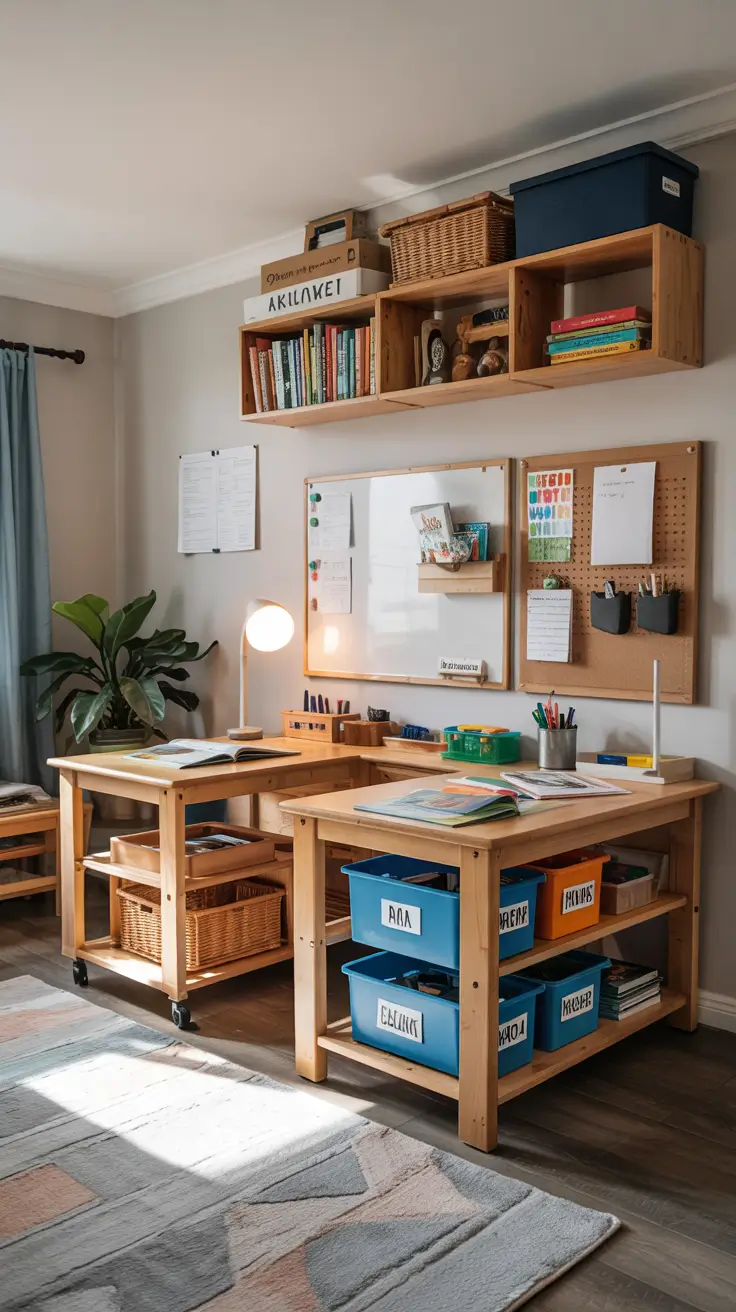
For furniture, I like a sturdy table surface, an ergonomic chair, and rolling storage that can move with the lesson. A three part organization system helps me keep it clean: one bin for today, one bin for this week, and one bin for long term. That Three bin structure reduces decision fatigue and keeps papers from piling up. If I have the room, I add a small book ledge and a whiteboard, plus a task lamp that stays in the same position. In tighter rooms, I use a Kallax unit as both a room divider and a storage wall, which keeps learning tools accessible without spreading them everywhere. If siblings learn together, I design a Double sided table or a long counter so two kids can work without crowding.
In practice, I get the best results when the space supports independence and quick cleanup. I recommend storing only the current level materials at the desk and keeping extra curriculum elsewhere, because too many options can slow kids down. I also like adding a visual schedule so children can see what comes next without constant reminders. If your child needs movement, I sometimes add a wobble cushion or a foot rocker to help them stay comfortable while working. I keep supplies consistent across subjects so transitions are smoother. When the learning day ends, I reset the desk so the next morning feels fresh, which is a simple habit that improves follow through.
What I would add to this section is a plan for managing paper and device time. I would include a filing method for finished work, plus a dedicated charging and headphone storage solution. I would also add guidance on seating height, screen distance, and glare control near windows. If multiple kids share one area, I would add color coded bins and separate pencil cups so materials do not mix. For families that use online lessons, I would add acoustic tips like curtains or a soft panel behind the desk. Finally, I would add a weekly reset routine that takes ten minutes and keeps the system stable.
25. Pottery Barn Inspired Kids Desk Ideas For Classic Style
When someone asks for a warm, timeless look, I often reference Pottery barn styling because it balances function and comfort. This style works especially well for kids desk ideas in bedroom spaces where you want the desk to feel like part of the room’s decor. I use classic shapes, soft neutral colors, and a few traditional details that still feel modern for 2026. The goal is a homework station that looks calm enough to support concentration and polished enough to grow with the child. I also like this look for Shared rooms because it stays visually consistent when tastes change. A classic setup can still be practical, as long as the storage is planned carefully.
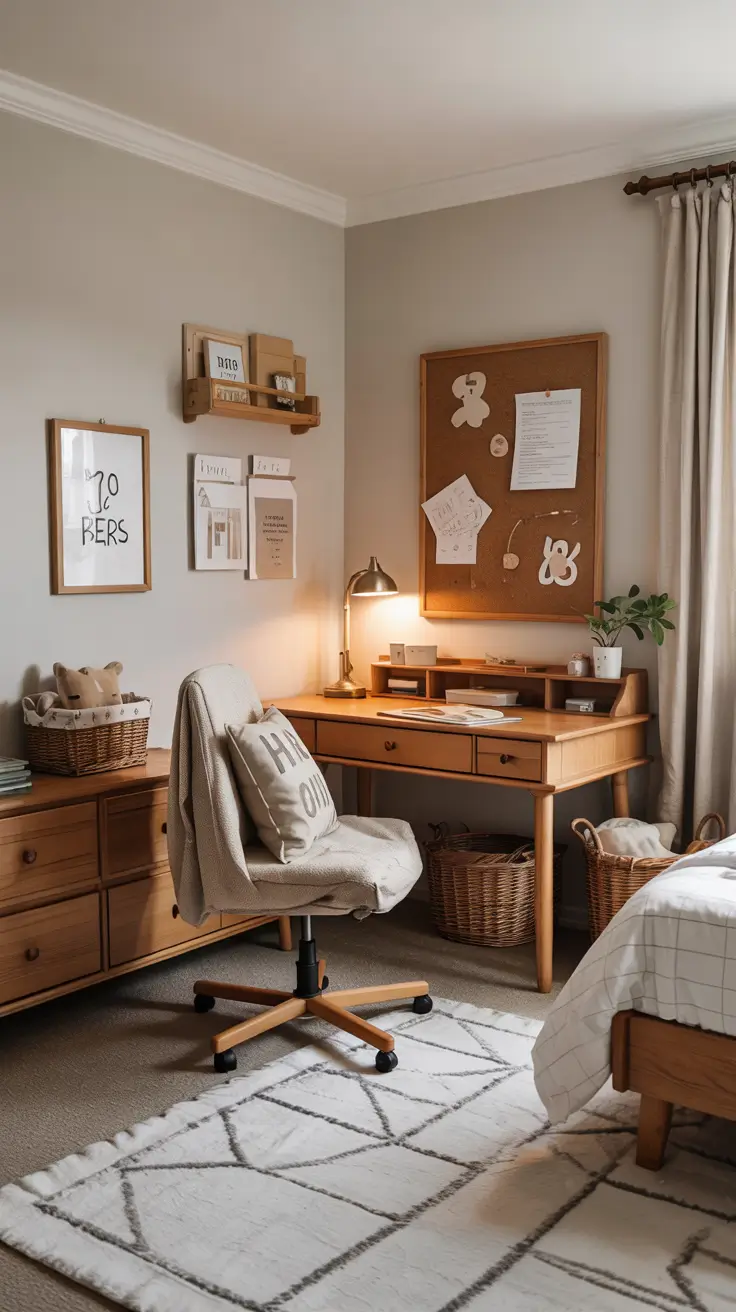
For the desk and accessories, I lean toward a solid wood desk or a clean painted desk with tapered legs. I add a comfortable chair, a warm desk lamp, and a pinboard framed in wood to keep notes visible without looking messy. For kids desk ideas with storage, I like a matching hutch or a low dresser next to the desk that can hold paper, books, and art materials. Vintage inspired baskets can store supplies, but I keep labels minimal so the room stays refined. If you need kids desk ideas for two, I often use a long desk with two matching chairs and symmetrical lamps to keep the look balanced. For a small bedroom, I scale everything down and choose a slimmer desk with shallow drawers.
In my own work, classic does not mean fussy, and I try to keep the desktop open. I recommend picking one accent color for folders and bins, then sticking with it so the visual system stays simple. I also like adding one personal element such as a framed photo or a small collection of books, but I avoid over styling. When families maintain a classic desk area, kids often treat it more like a real workspace, which improves consistency. I also remind parents that comfort matters as much as beauty, so a supportive seat and proper lighting should come before decor. This approach keeps the space from becoming a showpiece that no one uses.
What I would add to complete this section is a clear method for blending classic style with modern needs. I would include ways to hide cords, add charging, and manage devices without ruining the look. I would also add guidance on selecting a durable finish that resists markers and scratches. If the room is small, I would add options for wall mounted shelves that match the desk tone. For shared siblings, I would add a plan for dividing drawers and using two separate supply caddies. Finally, I would add a quick shopping checklist of the essential pieces so the look stays cohesive.
26. Homework Station Boys Work Spaces With Modern Design
For homework station boys work spaces, I focus on clean lines, durable materials, and an easy to maintain layout. Modern design helps reduce clutter and makes the desk feel like a real workstation, not a temporary spot. I often place the desk near natural light but avoid facing a window directly if distraction is an issue. This section includes kids desk ideas boys that feel grown up without losing warmth, which matters in 2026 trends. I also plan for active use, including gaming, building, and drawing, so the desk supports more than just homework. The result is a kids desk ideas homework station that stays functional across hobbies.
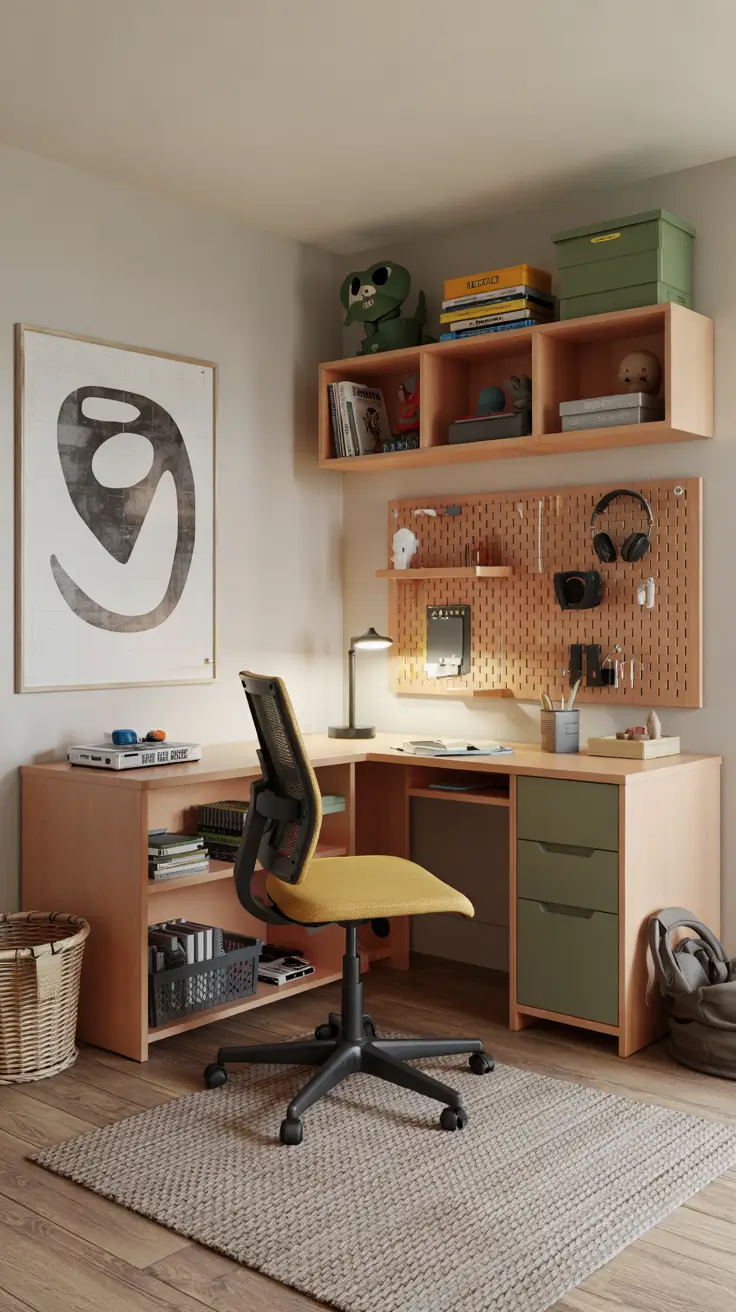
For furniture, I choose a simple desk with a solid top, an adjustable chair, and storage that is easy to sort. A drawer unit with deep compartments handles notebooks and larger items, while a narrow top drawer is great for pencils and chargers. I like adding a wall shelf with bookends and a pegboard for headphones, controllers, and tools, which keeps stray items off the surface. For kids desk ideas diy upgrades, I often add a cable tray, adhesive hooks, and a small magnetic strip for metal tools. If the space is small, I build a homework station small spaces simple layout with one vertical shelf column and one slim drawer cabinet. If two kids share the area, I create a Shared system with separate caddies and two lamps so each child has a defined zone.
In my experience, modern does not have to feel cold, and I add warmth with wood tones, textured rugs, and soft lighting. I also like using one large piece of wall art or one corkboard panel instead of many small items, because it reads calmer. When kids have active hobbies, I recommend using wipeable surfaces and a desk mat to protect the top. I also suggest keeping a small bin nearby for quick cleanup, which prevents the desk from becoming a dumping zone. The most successful boys work spaces I build are the ones where every item has a place and the reset is easy. That habit supports focus more than any trendy accessory.
What I would add to this section is a plan for scaling the setup as the child grows. I would include chair height guidelines and a note on monitor stands for older kids. I would also add suggestions for sound control, like a soft panel or curtains, if the desk is used for calls or lessons. If the child uses tools or building sets, I would add a small parts organizer with clear drawers. For shared siblings, I would add a drawer map so each child knows what is theirs. Finally, I would add a weekly reset routine to keep the zone functional without constant supervision.
27. Bloxburg Kids Desk Ideas Inspired By Gaming Builds
Bloxburg inspired spaces are fun because they combine playful structure with surprisingly good room planning. I treat this style as a modern, slightly stylized look, but I keep it realistic so it works in a real home. For 2026, I see more kids wanting a desk that feels like a mini studio, with symmetry, LED style lighting, and smart storage. This approach works well for kids desk ideas bedroom layouts because it can blend with a sleep and play zone while still feeling organized. I also like it for kids desk ideas small spaces because the look depends more on layout and lighting than on big furniture. The key is to keep the design Creative while still practical for school.
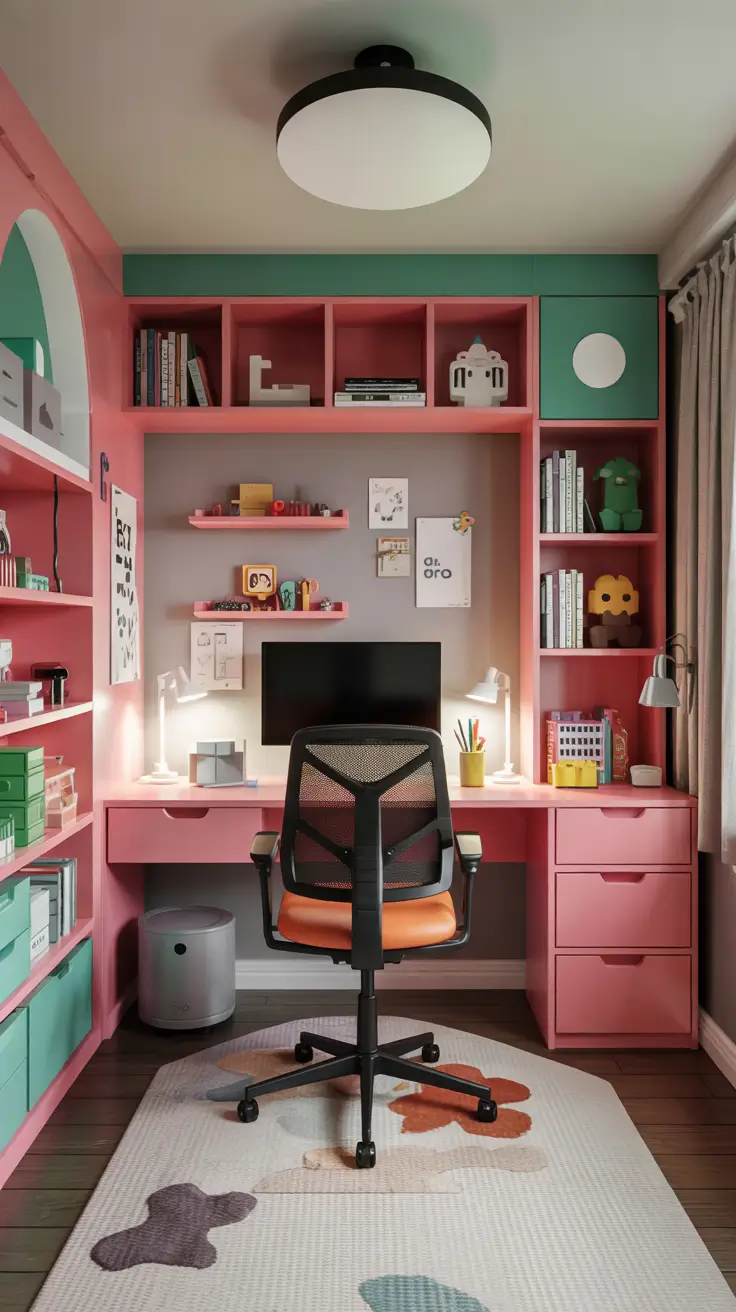
For furniture and decor, I start with a simple desk, a comfortable chair, and a clean wall backdrop. I add floating shelves in a grid layout to echo the built look people love in Bloxburg builds, and I keep decor minimal and coordinated. Storage is essential, so I use bins, drawer units, and sometimes a Kallax style cube shelf to hold books and supplies. I like a monitor riser or a shelf above the desk to create layers, which makes the zone feel designed and keeps the surface open for writing. For kids desk ideas for two, I build a long desk wall with two identical setups and a shared center shelf, which looks symmetrical and keeps peace. If space is tight, a corner arrangement can deliver the same vibe while still fitting a small footprint.
From my point of view, the biggest value of Bloxburg inspired design is that it motivates kids to keep the area looking like their vision. I encourage families to set boundaries so the desk remains a homework station first, then a gaming or creative zone second. Good lighting makes a huge difference, so I include a task lamp and soft ambient lighting rather than relying on harsh overhead fixtures. I also suggest choosing one color theme and sticking with it, because too many colors can make the room feel messy. When kids are involved in styling, they are more likely to maintain the space and use it regularly. That is a win for both schoolwork and independence.
What I would add to this section is a clear plan for screen and cable management. I would include a method for hiding power strips and routing cords cleanly along the underside of the desk. I would also add guidance on balancing decor with function, so shelves do not become clutter zones. If the child uses art supplies, I would add a lidded bin system that looks neat on camera and in real life. For small rooms, I would add a scaled furniture list with exact depth limits. Finally, I would add a simple rule for displays so the desk stays calm and usable every day.
28. Elfa System Kids Desk Ideas With Flexible Storage
When families need maximum flexibility, I often reach for Elfa because it adapts as kids grow and schedules change. This is one of the most practical kids desk ideas with storage approaches for 2026 because the wall system can shift without replacing everything. I like Elfa for kids desk ideas for small spaces since it keeps storage vertical and customizable. It also works for kids desk ideas homework station diy planning because you can start small and expand in phases. In bedrooms, the system helps keep the desk zone tidy and visually consistent, even when the room doubles as a play space. I also like it for Shared setups where two children need separate storage without two bulky desks.
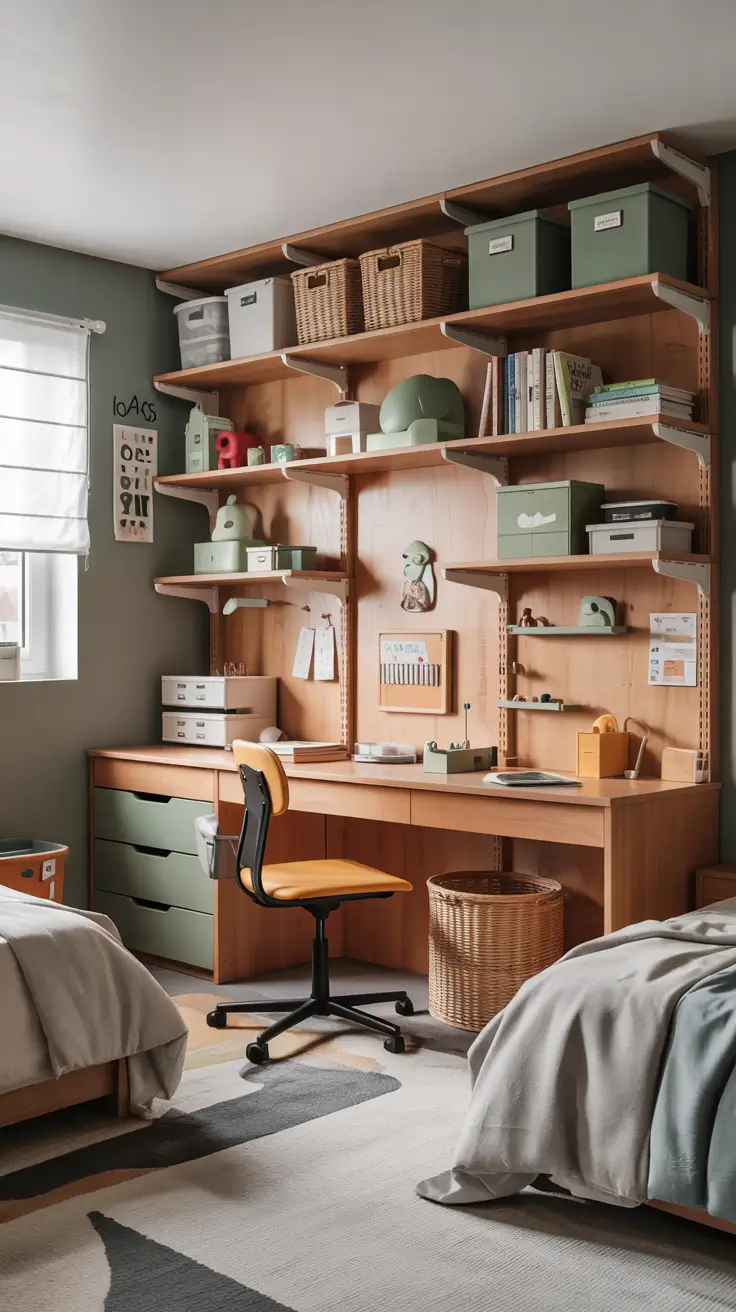
For the setup, I plan a wall mounted track system with shelves, drawers, and a work surface that fits the room’s width. I include a desk top or butcher block surface, then build storage above it using baskets, file rails, and shallow shelves. For school supplies, I like clear bins with simple labels, plus a drawer section for paper and notebooks. If two kids share, I divide the wall into left and right zones, which supports kids desk ideas for two without constant mixing of items. For younger kids, I sometimes include a Trofast bin unit nearby for easy access to crayons and craft supplies. If the room is very small, I keep the surface slim and use tall storage so the floor stays open.
In my experience, the Elfa approach is most successful when families commit to a consistent category system. I recommend grouping by activity, like writing, tech, and art, rather than by random objects, because kids can find things faster. I also suggest setting one shelf as the landing zone for backpacks and planners to support a real kids desk ideas homework station routine. Lighting is still important, so I always add a task lamp or under shelf lighting to prevent eye strain. When families adjust the shelves as needs change, the system stays useful for years instead of becoming outdated. That long term flexibility is what makes it feel worth the effort.
What I would add to this section is a step by step planning checklist. I would include measuring advice, weight considerations for shelves, and the best heights for kids to reach their daily items. I would also add tips for balancing open and closed storage so the wall does not look busy. For bedrooms, I would add suggestions for matching finishes and bins so the system blends with the decor. If the desk is used for homeschool, I would add a dedicated paper filing method and a rotating display area for current work. Finally, I would add a monthly mini reset to keep storage from slowly filling with clutter.
29. Creative Kids Desk Ideas That Spark Imagination
I like this concept because it treats the desk as part of the room’s personality, not an afterthought. I set the desk near natural light when possible and use a calm wall color so art supplies and books do not feel chaotic. This approach works well for kids desk ideas in bedroom plans because it can sit beside a reading corner or toy area without clashing. I keep the layout flexible so the child can switch between drawing, building, and writing without needing to move furniture. It is also easy to adapt for kids desk ideas boys or any style by changing colors and accessories. If you want a space that feels playful but still supports focus, this is the direction I start with.
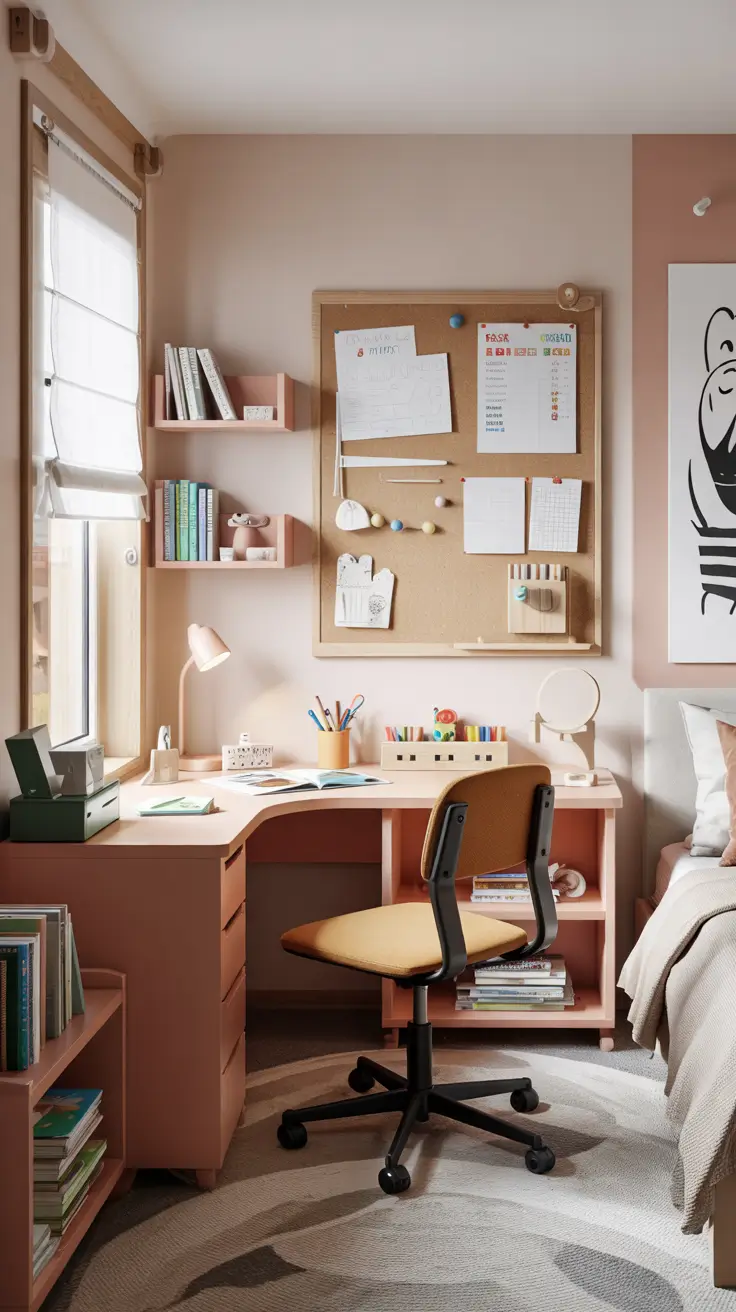
For furniture, I prefer a simple desk with a durable top, plus a comfortable chair with a footrest if needed. I add a pinboard or magnet board above the desk to display schedules, artwork, and reminders in one place. A small book ledge or slim shelf keeps favorite books visible without taking up the work surface, which helps the desk stay usable. I also include a tray or caddy for markers and scissors so cleanup takes seconds, not minutes. If the room is tight, I use wall-mounted shelves to keep the floor open, which supports kids desk ideas for small spaces. Good lighting matters, so I add a task lamp with a soft shade to reduce glare and eye strain.
In my experience, the biggest change comes from giving kids a place to show their work and rotate it regularly. When they see their drawings and projects displayed, they feel ownership and are more likely to return to the desk. I also try to keep the desktop mostly clear because a crowded surface silently discourages starting homework. Many interior design editors and organization pros emphasize zones and containment, and I see the same result in kids rooms when supplies have a clear home. If you want a playful upgrade, I add a small inspiration shelf with a globe, a model, or a framed print tied to their interests. That tiny detail often turns the desk into a spot they choose, not a spot they avoid.
What I would add to complete this section is a clear routine layer and a few practical protections. I recommend a small timer, a visible clock, and a weekly check-in board to make the Homework station feel predictable. I also like a washable rug under the chair to protect floors and reduce scraping noise. If cords are involved, I add cable clips and a hidden power strip to keep everything tidy and safer. A labeled bin for current school papers helps avoid stacks, especially during busy weeks. Finally, I add one closed container for visual calm, because even creative spaces need at least one place to hide the mess.
30. Trofast Kids Desk Ideas With Toy And Supply Storage
This is one of my favorite kids desk ideas with storage approaches because it solves two problems at once. I place the desk beside a Trofast-style bin unit so the child can reach supplies without getting up and wandering the room. It works especially well in a small room where every step counts and clutter spreads fast. The bins create natural categories for school tools, crafts, and even small toys, which supports calmer transitions between play and homework. I also like it for families who need a clear reset at the end of the day since everything can be sorted quickly. If you are considering kids desk ideas diy upgrades, this setup is easy to personalize with labels, inserts, and color coding.
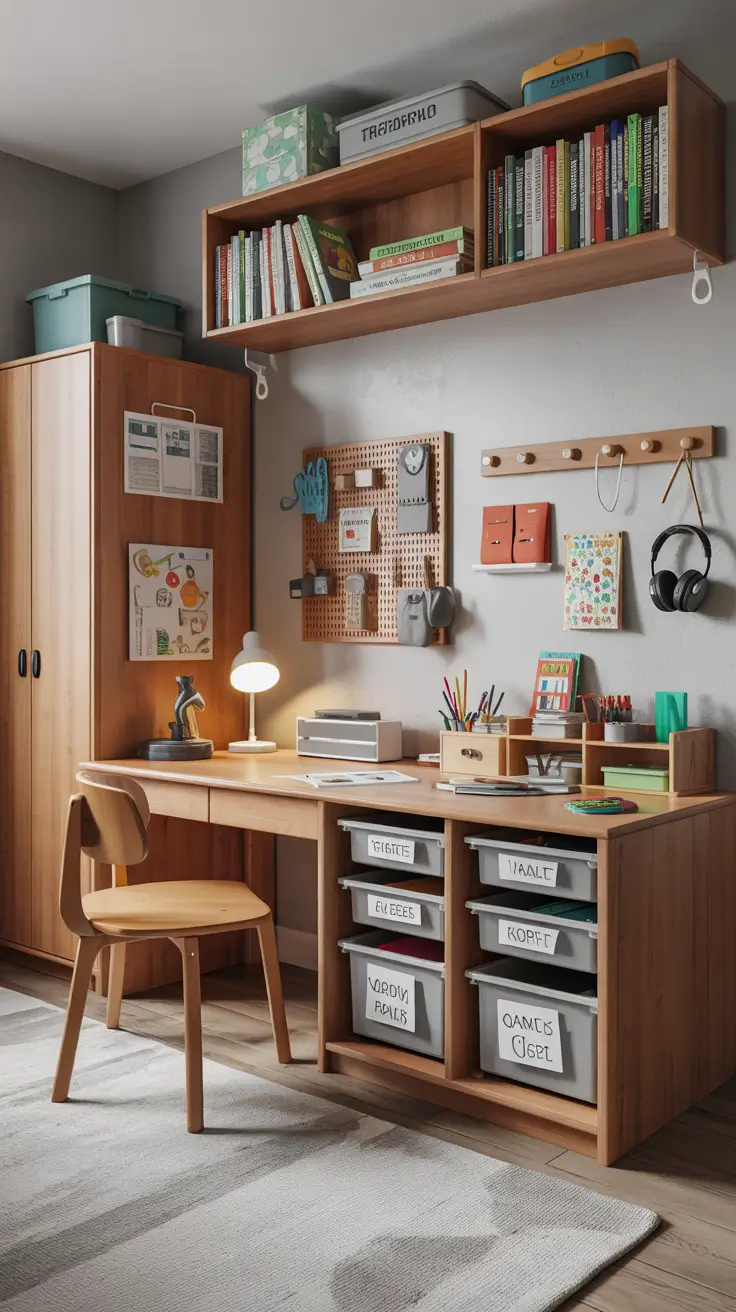
For the desk, I choose a simple shape with clean lines, then I align the bin unit so it acts like an extension of the workstation. I assign each bin a purpose, like pencils and paper in one, art in another, and tech accessories in a third, which keeps the surface clear. If you want a Kallax look, you can combine cubbies with bins, but I usually keep the open cubbies for books and the bins for small items. I add a thin cork strip or rail above the desk for hanging headphones, rulers, and a lightweight bag. For a Built in feel without construction, I anchor the unit to the wall, match finishes, and add a continuous shelf above both pieces. This can even support kids desk ideas for two if you mirror the storage and keep shared items in the center.
I have seen this storage-first setup reduce daily arguments about mess more than almost any other change. When kids can see and reach what they need, they do not ask for help as often, and they finish faster. I also notice that closed bins make it easier for kids who get distracted by visual noise, which matters in shared bedrooms. Organization specialists often recommend using bins as categories rather than aiming for perfect folding or tiny dividers, and that approach fits children’s habits. If you want to lean into a Vintage vibe, you can add warm wood tones, brass label pulls, and a classic task lamp without changing the structure. The system stays practical even if the style shifts over the years.
What I would add here is a simple labeling plan and a refresh schedule to keep the bins from turning into junk drawers. I recommend picture labels for younger kids and word labels for older kids, so the system stays easy to follow. I also add one bin called stray for items that do not belong anywhere else, then I empty it weekly. A small tray for papers prevents crumpling and helps kids separate homework from art projects. If the unit is used for Homeschool days, I add a bin for curriculum and a bin for completed work to keep the week organized. Finally, I add a comfortable chair mat or felt pads because kids will slide that chair constantly.
31. Homework Station Small Spaces Simple Desk Ideas For 2026
This section is for the tight corners, narrow walls, and apartment bedrooms where a full setup feels impossible. I focus on kids desk ideas corner placements because corners often have unused square footage and can feel cozy rather than cramped. The goal is a Homework station small spaces simple layout that supports daily work and clears quickly when the room needs to function for play and sleep. I keep the palette light and the furniture visually minimal so the area does not feel heavy. This approach is also great if you want kids desk ideas bedroom solutions that do not dominate the room. Done well, it can look like a natural part of the bedroom instead of a squeezed-in add-on.
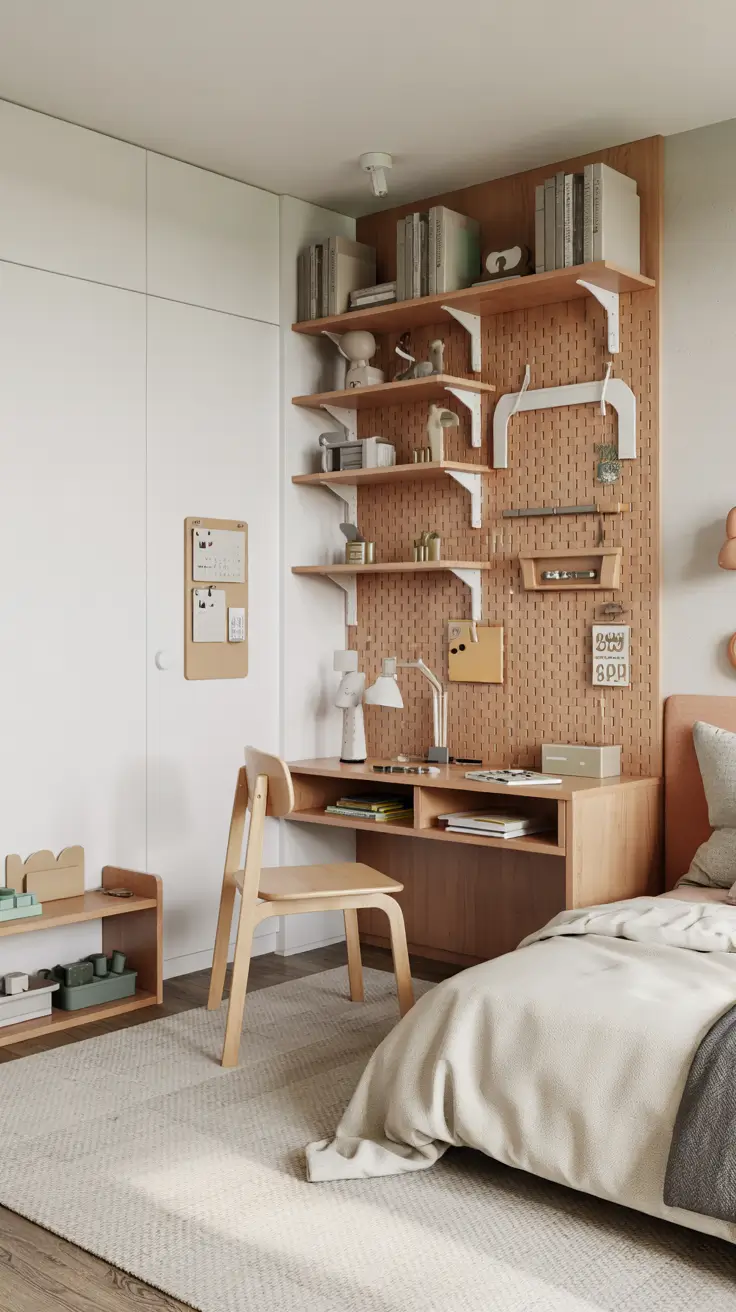
I usually start with a slim desk or wall-mounted surface that is deep enough for a notebook and laptop but not so deep it blocks movement. I choose vertical storage like a tall pegboard, wall shelves, or an Elfa rail system to hold supplies above the desk. For lighting, I add a compact wall sconce or clamp lamp to free up the desktop, which matters in Small spaces. If the child shares a room, I use a narrow divider shelf or a curtain panel to create a sense of focus without building walls. For kids desk ideas for two in a small area, I prefer a Double wall-mounted counter with two stools and shared storage in the middle. This creates a Multiple-user station while keeping the floor clear and the pathway open.
In my experience, small spaces work best when the desk is treated like a tool, not a display surface. I keep only the daily essentials out, then store everything else in a closed box or drawer to reduce distraction. I also recommend a simple start routine, like setting out a pencil case and the current assignment, then putting them away after. Designers often talk about editing and negative space, and that principle matters even more when the room is small. If you love the Pottery barn look, you can get that feel with warm lighting, a neutral chair, and a soft rug rather than oversized furniture. A clean, simple Homework station is often the one kids actually use consistently.
What I would add to finish this setup is a clear paper flow and a backup plan for shared or busy evenings. I add a vertical file holder for today, this week, and to return, so papers do not pile up. I also include a small whiteboard calendar to track tests and deadlines without needing extra devices. For kids who need movement, I add a foot rocker or wobble cushion because fidgeting is common during homework. If the station is in a bedroom, I recommend a privacy element like a small bookcase edge or fabric panel to reduce distractions. Finally, I add one closed drawer or bin dedicated to chargers and tech, because loose cords quickly ruin the calm look.