When I think about sofas in living rooms in 2026, I see one big shift: comfort is no longer separate from layout planning. Have you ever bought a beautiful couch and then realized the room flow feels cramped, the TV angle is awkward, or the seating does not work for guests? In this article, I will break down living room sofas ideas that solve real layout problems while still looking modern and intentional. I will also show how color, shape, and pairing choices like living room two sofas can make a space feel larger, calmer, and more finished.
I will cover sofas in living room layout decisions for small apartments, open concept plans, and rooms with a fireplace and TV. Along the way, I will share practical styling ideas for couch living rooms sofas, including mixing different color sofas, choosing curved silhouettes, and building smart storage with shelves above. By the end, you will have a clear plan for how to pick, place, and style living room sofas so the room works as well as it looks.
1. Sofas In Living Room 2026 Trends And Modern Layout Inspirations
In 2026, I notice that the best sofa choices start with the room’s traffic flow, not the fabric swatch. A sofa has to support daily life, so I plan pathways first and then decide whether a single deep seat, a corner setup, or multiple pieces make the most sense. I also see a strong move toward shapes that soften a room, especially curved profiles that make conversation areas feel welcoming. Color direction is widening too, and I am seeing more confident choices like deep green, light blue, and warm orange used in controlled accents. The goal is a living room that feels modern but still relaxed, with seating that looks designed rather than pushed against walls.
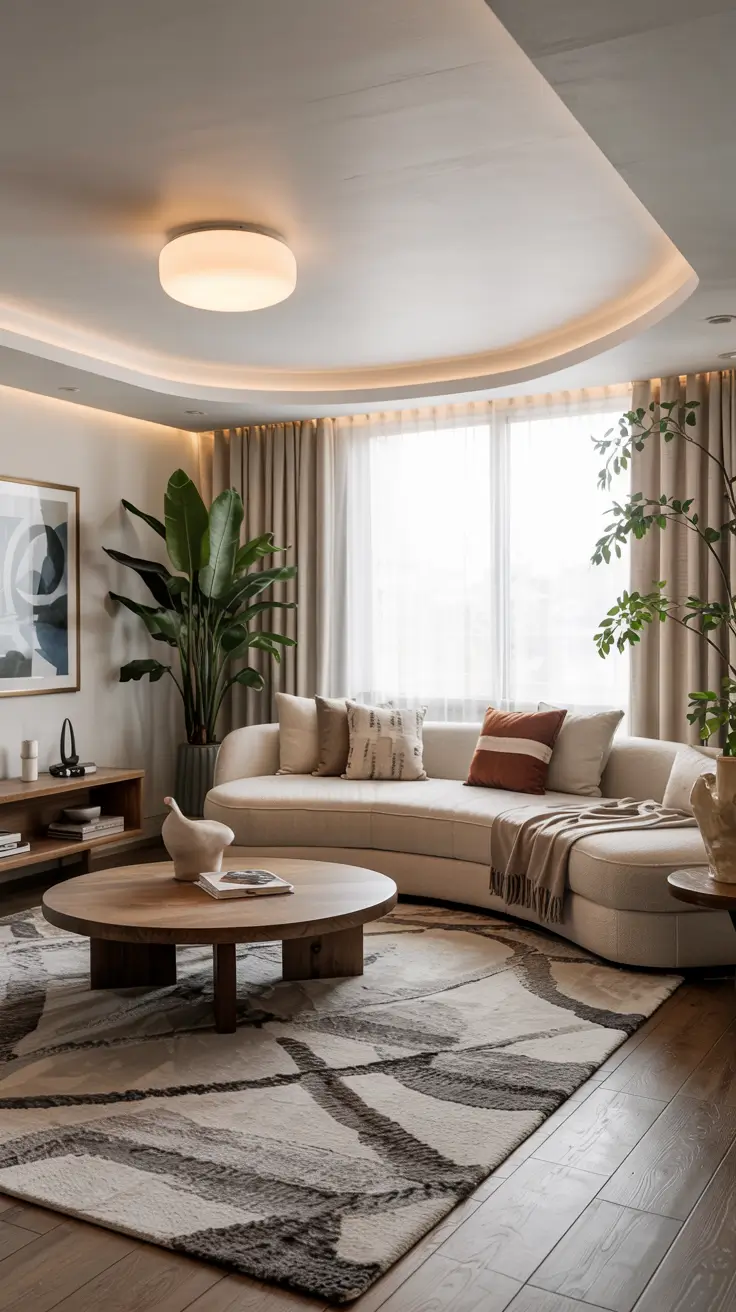
When I build a modern layout, I start with the main sofa and decide what it faces, because facing direction controls how the entire room reads. A curved sofa works beautifully in an open plan because it guides movement without needing extra walls. If the home leans classic, I like a tailored shape in a durable weave, then add wooden details through a coffee table or side tables to warm up the lines. For texture, I often balance smooth upholstery with a rug and a few structured chairs instead of overstuffing the room. This is also where I decide if the room needs a single statement sofa or living room different color sofas to create a layered, collected look.
From experience, the easiest way to make a trend feel timeless is to keep the layout simple and let one detail do the talking. That detail could be a camel colored couch, a black sofa with clean legs, or a grey sofa paired with an unexpected color combination for light blue in pillows or art. I also like the idea of choosing depth for comfort, because a deep seat invites people to actually use the space instead of treating it like a showroom. Many designers emphasize starting with function, and I agree because a sofa that looks good but interrupts movement will always feel wrong over time. When my clients ask what looks most current, I tell them it is not a single style, it is the confidence of a well planned layout.
For this section, I would add a simple measuring checklist and a quick rule for spacing so readers can act immediately. I would also include a mini guide for selecting sofa depth based on how people sit, lounge, or host. If the room includes a dining table nearby, I would note the clearance needed so chairs can slide out without bumping the sofa. I would also add a short comparison between curved and straight shapes, focused on real room sizes and how each shape affects circulation. Finally, I would include one example of mixing materials, like leather plus soft textiles, to make the trend direction feel approachable.
2. Smart Sofas In Living Room Layout Ideas For Functional Spaces
When I design a functional space, I treat the sofa as a tool for solving the room’s biggest problem, whether that is limited storage, awkward angles, or too many doors. Smart layouts often use corner sofas ideas living room couch arrangements to anchor the seating zone and keep the center open. In compact homes, I like a clean sofa shape paired with chairs instead, because chairs can move and flex when guests arrive. If the room has multiple uses, like working and relaxing, I plan zones with rugs and lighting so the sofa area feels contained. The end result should feel calm, not crowded, even when the room needs to do a lot.
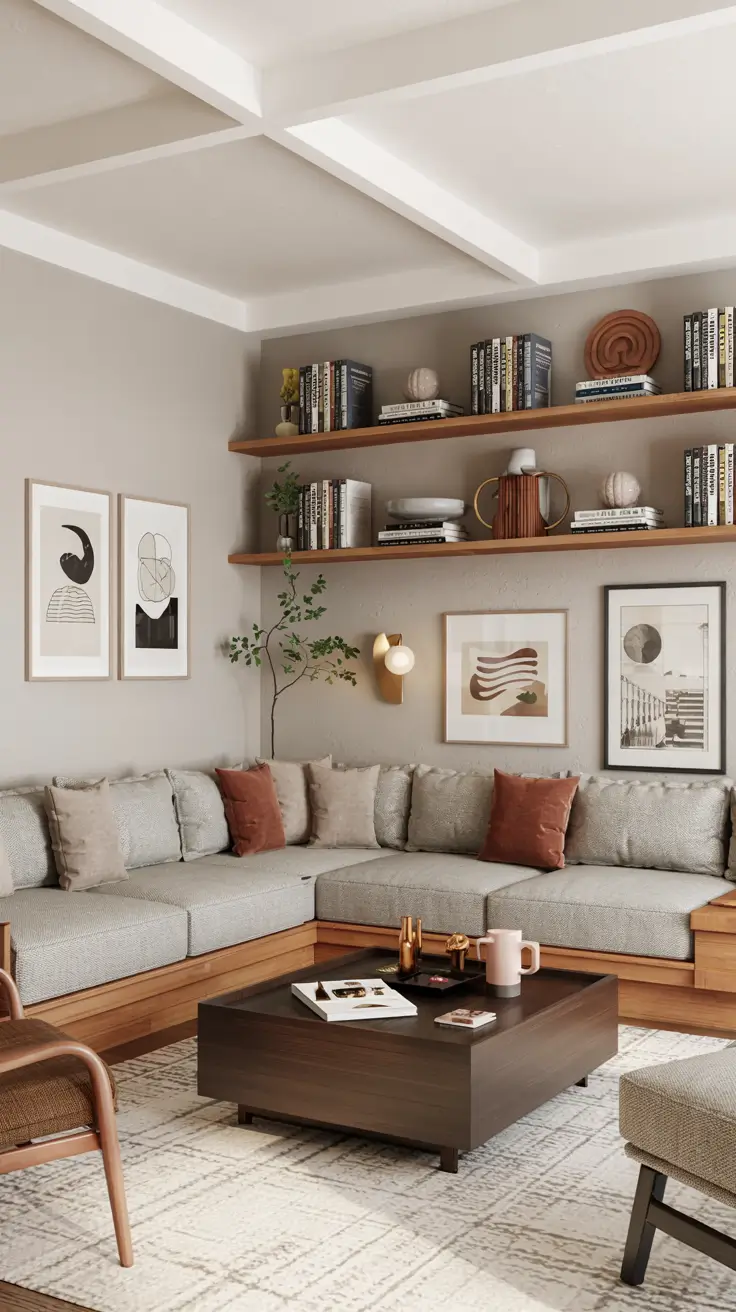
In practical terms, I look for sofas with details that work harder, like slim arms, raised legs for visual space, or built in storage if the style allows it. Shelves above the sofa can be a smart choice when floor space is limited, but I keep them shallow and aligned so the wall feels intentional rather than heavy. A wooden coffee table with drawers can hold remotes and games without adding extra cabinets. If the household needs flexibility, a modular setup can replace a bulky sectional, giving the same lounge comfort with better movement. I also like adding a narrow console behind a floating sofa to add function without changing the footprint.
In my own projects, the smartest move is usually simplifying the number of large pieces and upgrading the placement. I would rather see one excellent sofa in the right spot than multiple pieces fighting for space. For rooms that feel tight, I often recommend a consistent color palette and then one controlled contrast, like grey plus light blue accents or cream plus warm brown. A black sofa can work in a functional layout too, as long as the surrounding pieces lighten the visual weight with airy tables and bright textiles. When function leads, style tends to follow naturally because the room feels easy to live in.
For this section, I would add a layout diagram concept described in words, like a clear path from entry to seating with minimum walking space. I would also add a short storage plan so readers know what belongs in shelves above versus hidden compartments. If the room is shared, I would include a tip for balancing personal items, such as using matching baskets or boxes to keep surfaces neat. I would also add guidance on lighting layers, because functional seating areas need task and ambient light to feel complete. Finally, I would include a quick checklist for choosing chairs instead of a second sofa when space is limited.
3. Stylish Sofas In Living Rooms For Contemporary And Classic Homes
To make sofas in living rooms feel stylish in 2026, I focus on proportion, material, and how the sofa connects to the home’s architecture. Contemporary rooms look best with crisp shapes and fewer visual breaks, while classic homes often need a softer profile and richer textures. I also pay attention to the sofa’s relationship with windows and trim, because a sofa that blocks details can make the room feel smaller. For color, I see more people moving beyond plain neutrals, but the most elegant rooms still keep a calm base. A stylish sofa is not only about the couch, it is about how everything around it supports the mood.
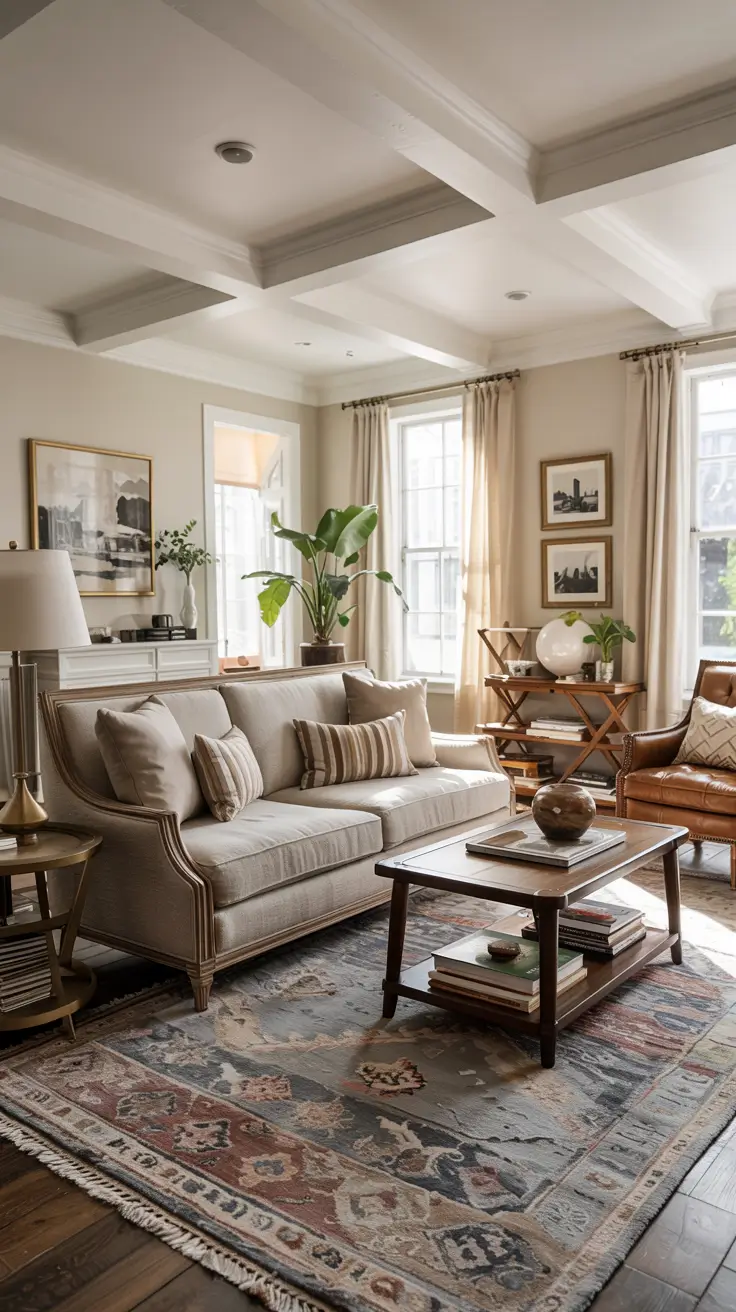
For contemporary spaces, I like low profile sofas with structured cushions, then I bring warmth through wood, layered rugs, and textured pillows. For classic rooms, leather can be a beautiful anchor, especially in brown, paired with cream walls and softer textiles for balance. If someone wants more personality, I recommend living room different color sofas only when the room has enough continuity through repeated materials or a consistent rug. A camel colored couch can be a great bridge between modern and classic because it feels warm without looking dated. I also like using two different side tables for a collected look, as long as the heights and visual weight match.
In my opinion, the biggest style mistake is treating the sofa like a standalone purchase instead of part of a system. I always look at the rug size, curtain length, and lighting scale before I commit to a sofa silhouette. Grey couch living room ideas color schemes gray sofas can feel elevated when the undertones match the flooring and the accents are intentional, like deep green in art or a controlled orange in a throw. If the room is traditional, I often keep the sofa shape classic and then modernize with accessories, which is easier to update later. A well styled sofa should make the rest of the room feel more coherent, not more complicated.
For this section, I would add a clear method for choosing a sofa style based on the home’s era and trim details. I would also add a tip for mixing old and new pieces so the room does not feel like a single showroom set. If readers want leather, I would include basic care advice so the sofa stays beautiful over time. I would also add a small guide to selecting leg style and height, because it changes how heavy or light a sofa looks. Finally, I would include an example of how to coordinate color with wall art so the sofa feels intentionally placed.
4. Couch Living Rooms Sofas Styling Ideas That Elevate Any Interior
When I style couch living rooms sofas, I start by deciding what feeling the room should have, because styling without a mood quickly becomes clutter. In 2026, I see styling that is cleaner but more textured, using fewer items with stronger materials. I also see more interest in color pairing, especially mixing blue with warm neutrals or adding deep green for depth. A sofa can look elevated even in a simple room if the styling supports scale and balance. This is where small details like pillow sizing and lamp height make a big difference.
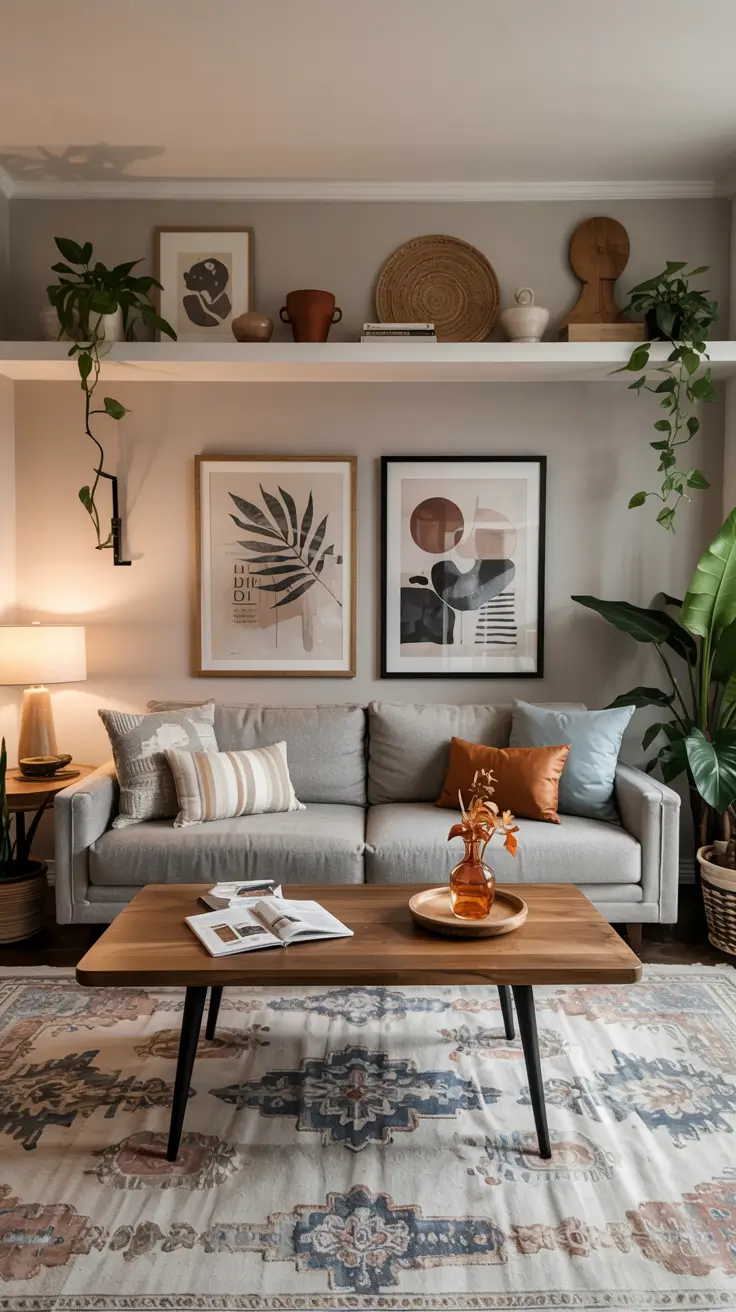
I usually build the styling in layers, starting with the rug, then the sofa, then the supporting pieces like coffee tables and chairs. If the sofa is grey, I like combining it with warm wood and a cream rug, then adding color combinations for light blue through pillows, ceramics, or artwork. If the sofa is brown leather, I soften it with cream textiles and a textured throw so the room does not feel too heavy. For black sofas, I add contrast with lighter side tables and a mix of matte and soft textures to keep it welcoming. When I style shelves above the sofa, I keep the arrangement balanced with books, framed art, and one sculptural object, leaving breathing room.
From my experience, the most polished rooms are edited rooms, so I remove items until the space feels calm. I also like using one unexpected color, like orange in a small accent, because it makes neutral rooms feel current without overwhelming them. Mixing patterns can work, but I keep the scale varied and I repeat at least one color across the room so it feels intentional. If a room has two different sofas, I make sure they share one element, like matching legs, similar cushion style, or a common color family. Styling is successful when the sofa looks like it belongs and the room feels easy to maintain.
For this section, I would add a step by step styling checklist, starting with rug size and ending with shelf styling. I would also add guidance on pillow quantity based on sofa size, because too many pillows can make seating unusable. If the room includes a dining table nearby, I would add a tip for visual continuity, like repeating wood tone or metal finish. I would also add advice for balancing personal items with decor so the room feels lived in but not messy. Finally, I would include a quick plan for seasonal updates that do not require replacing big pieces.
5. Living Room Sofas Ideas For Comfort, Aesthetics And Practical Use
Living room sofas ideas work best when comfort and aesthetics are treated as equals, because a beautiful sofa that is uncomfortable never gets used. In 2026, I see more people choosing deeper seats and softer back cushions, but pairing them with cleaner silhouettes to keep the room modern. The practical side includes stain resistant fabrics, performance weaves, and layouts that support everyday habits like reading or movie nights. I also plan for flexibility, because households change and the sofa should not limit how the room can evolve. The right idea is the one that fits the real life happening in the space.
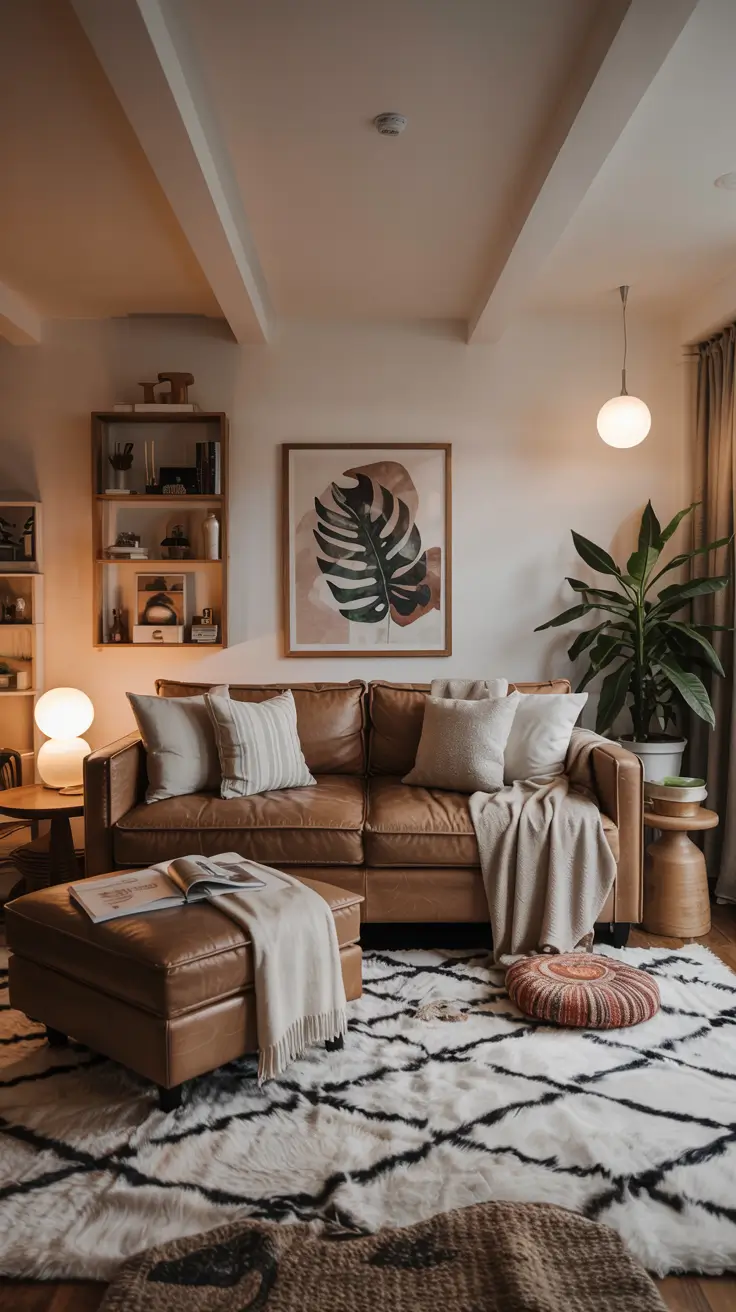
I think about seat depth, cushion fill, and arm height first, because those details decide whether the sofa truly feels good. If someone loves lounging, a deep sofa or a sectional makes sense, but I keep the surrounding pieces slim so the room stays open. For a more upright feel, I choose a tailored shape and add comfort through a plush rug and supportive chairs. Brown and cream living room ideas sofas often feel naturally cozy, and they work especially well when layered with warm wood and soft lighting. If color is the priority, green or blue upholstery can look refined when the rug and curtains stay calm and neutral.
In my opinion, the most practical upgrade is planning for how people actually sit, including where drinks go and where feet rest. I like adding an ottoman that can move, because it supports comfort without forcing one layout forever. If a room has kids or pets, I recommend textures that hide wear, and I keep maintenance realistic rather than precious. For small rooms, I often prefer a loveseat plus chairs instead of an oversized sectional, because it improves movement and keeps the space breathable. Comfort becomes stylish when it is planned, not when it is added as an afterthought.
For this section, I would add a quick guide for choosing sofa size based on room dimensions and seating needs. I would also add a practical checklist for fabric choice, including durability and cleaning considerations. If readers want color, I would include a short approach for testing undertones so the sofa does not clash with flooring. I would also add advice on balancing comfort pieces like ottomans with enough walking space. Finally, I would include a tip for sound and softness, like using curtains and rugs to make the seating area feel more restful.
6. Living Room Sofas For Small, Large And Open Concept Spaces
Living room sofas can succeed in any size space when the scale matches the room and the layout supports movement. In small rooms, I aim for clarity, so the sofa should not block natural light or create tight corners that feel stressful. In large rooms, I focus on defining zones so the sofa does not float without purpose. Open concept spaces need extra attention, because the sofa often becomes a visual divider between living and dining areas. The best approach is adapting the same principles to each space size, rather than using one trendy solution everywhere.
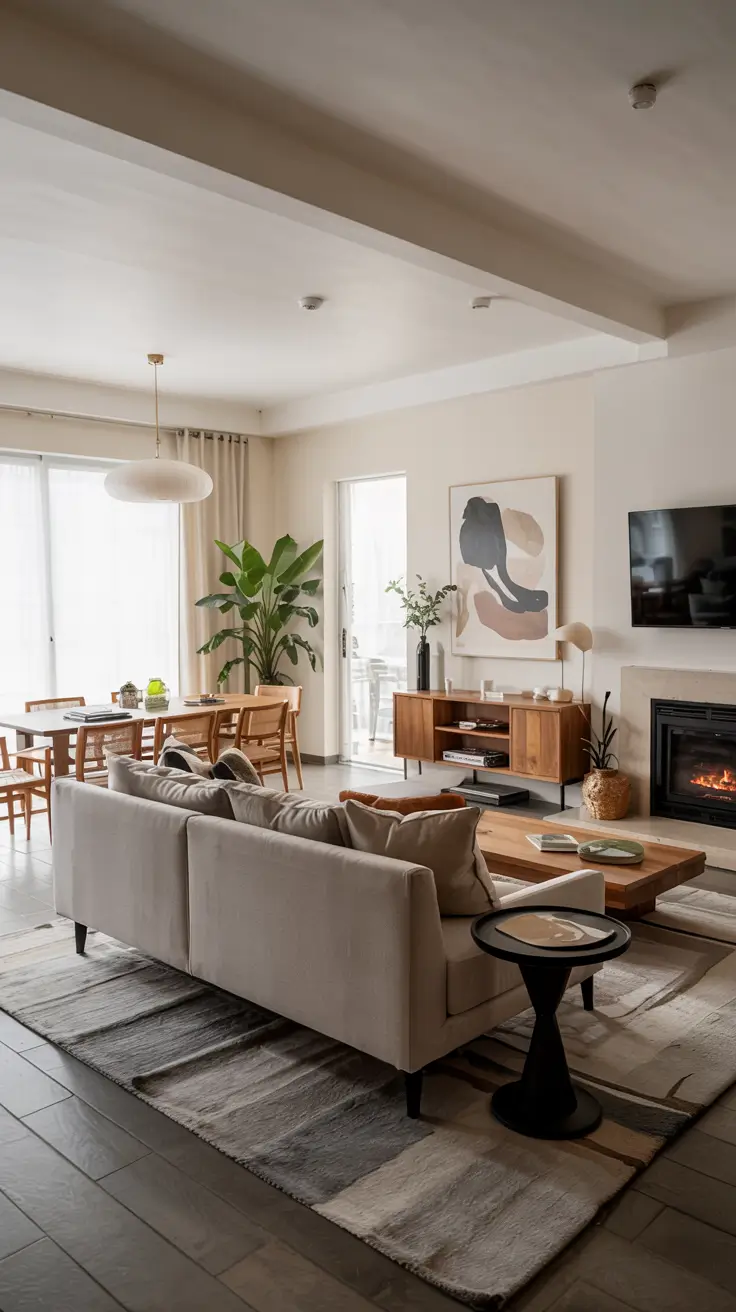
For small rooms, I prefer a sofa with raised legs and slim arms, because it visually lightens the footprint. A small living room layout with fireplace and tv sectional sofas can work, but I keep the sectional compact and I position it so the TV and fireplace do not compete. In large rooms, multiple seating pieces make sense, including multiple sofas or a sofa plus chairs, because one piece alone can feel lost. For open concept, I like using the sofa back to define the living zone, then pairing it with a console table and lighting to make the boundary feel intentional. If there is a dining table nearby, I keep enough clearance so dining chairs move comfortably without bumping the sofa edge.
From experience, people often oversize the sofa in small rooms and undersize it in large rooms, which flips the intended comfort. I also find that open concept rooms feel best when the sofa color relates to the kitchen or dining finishes, even if it is subtle. Grey sofas can adapt easily across sizes, especially when styled with warm wood and controlled color accents. For bolder choices like deep green or light blue, I keep the rest of the space quieter so the sofa feels like a feature, not a distraction. The goal is always the same: the sofa supports the room’s function and makes the space feel welcoming.
For this section, I would add a simple method for zone planning in open concept homes, described as steps readers can follow. I would also add placement tips for TV viewing angles and glare from windows, because those issues affect comfort every day. If a room has a fireplace, I would include guidance on balancing it visually with the TV so the wall does not feel crowded. I would also add a note on rug sizing for each room type, since rugs anchor the sofa and define space. Finally, I would include one example of how to use shelves above or built ins to frame the sofa without making the wall feel heavy.
7. Living Room Two Sofas Layout Ideas For Balanced Seating
Living room two sofas layouts are a strong 2026 choice because they create symmetry and encourage conversation. I like this approach in long rooms, in open plans, and in homes where people host often. Two sofas can also solve the problem of everyone facing one direction, because the layout can support both TV watching and social time. The key is balance, so the sofas should feel intentional, not like extra seating squeezed in. When planned well, this layout makes sofas in living room layout decisions feel more architectural and finished.
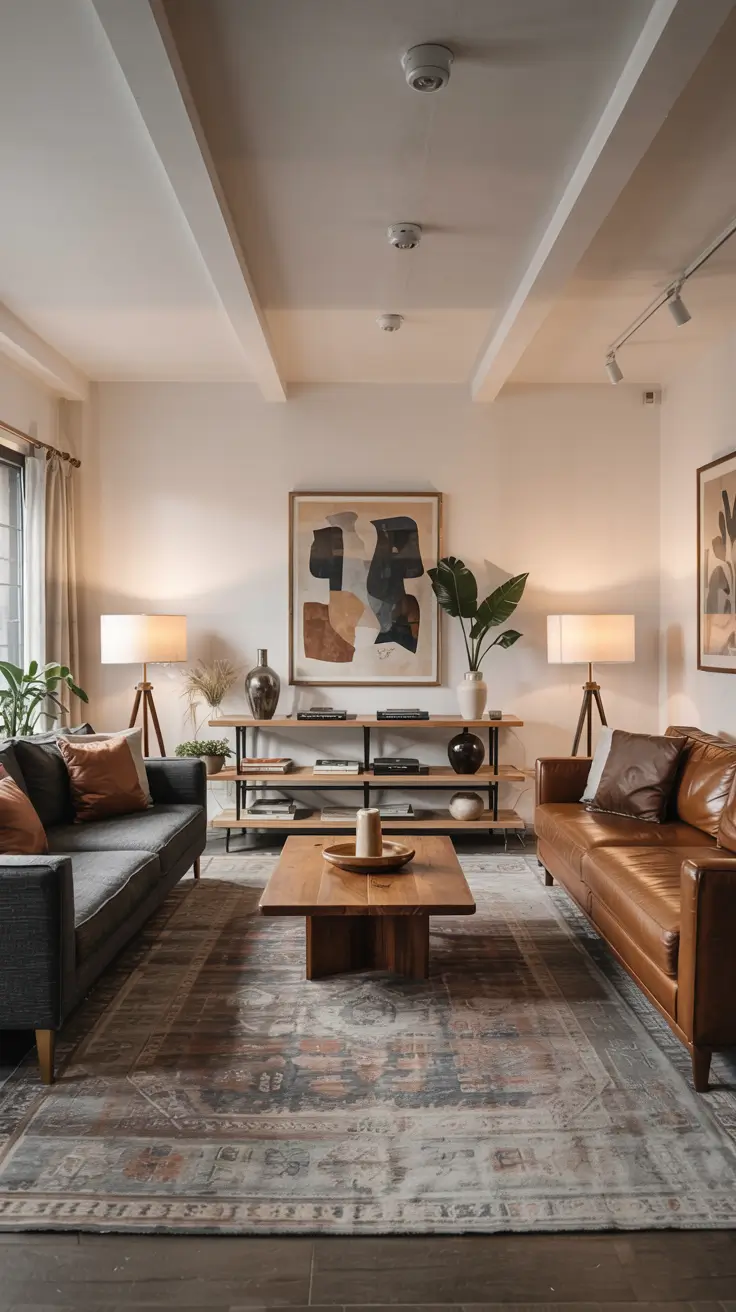
I typically place the sofas facing each other when conversation is the priority, with a coffee table centered and a rug large enough to connect all legs. If TV viewing matters, I angle one sofa slightly or use a facing arrangement that still allows a clear sightline to the screen. Living room different color sofas can work here, and I like pairing a neutral grey with a warmer tone like camel or brown for depth. If the room needs variety, I might use 2 different sofas with similar scale but different texture, like one fabric and one leather, to add contrast without chaos. Chairs can still be included, but I use them as accents rather than competing anchors.
In my experience, the biggest success factor is keeping the spacing comfortable, because two sofas too close feel tight and too far feel disconnected. I also pay close attention to the coffee table size, since it becomes the functional center for both seating pieces. When mixing colors, I repeat the tones in art, pillows, or a throw so the room feels cohesive. I also like adding shelves above one sofa only if the room needs height, because too much on both sides can feel heavy. With two sofas, it is easy to create a room that looks designed, as long as the pieces share a common thread.
For this section, I would add a clear spacing guideline and a simple way to choose coffee table scale based on sofa length. I would also add advice on selecting a rug size that properly anchors both sofas, because that is the most common mistake I see. If readers want two different colors, I would include a short palette method, like one base neutral plus one accent tone plus one metal finish. I would also add a tip for lighting placement, since two sofas often need balanced lamps or sconces to avoid dark corners. Finally, I would include an example of how to place a console or bench behind a sofa in larger rooms for extra function.
8. Grey Couch Living Room Ideas Color Schemes Gray Sofas Edition
In 2026, I see gray sofas staying popular when the surrounding palette is warmer and more layered, not cold and flat. I like to treat gray as a quiet base that lets texture and lighting do the heavy lifting. For grey couch living room ideas color schemes gray sofas, I focus on contrast that feels soft, like greige walls, creamy trim, and oak tones. I also pay attention to undertones because a blue-gray sofa reads very different than a taupe-gray one. When I plan the layout, I keep the sofa oriented to the room’s natural light so the fabric looks rich instead of dull. This approach keeps the room modern while still feeling relaxed and livable.
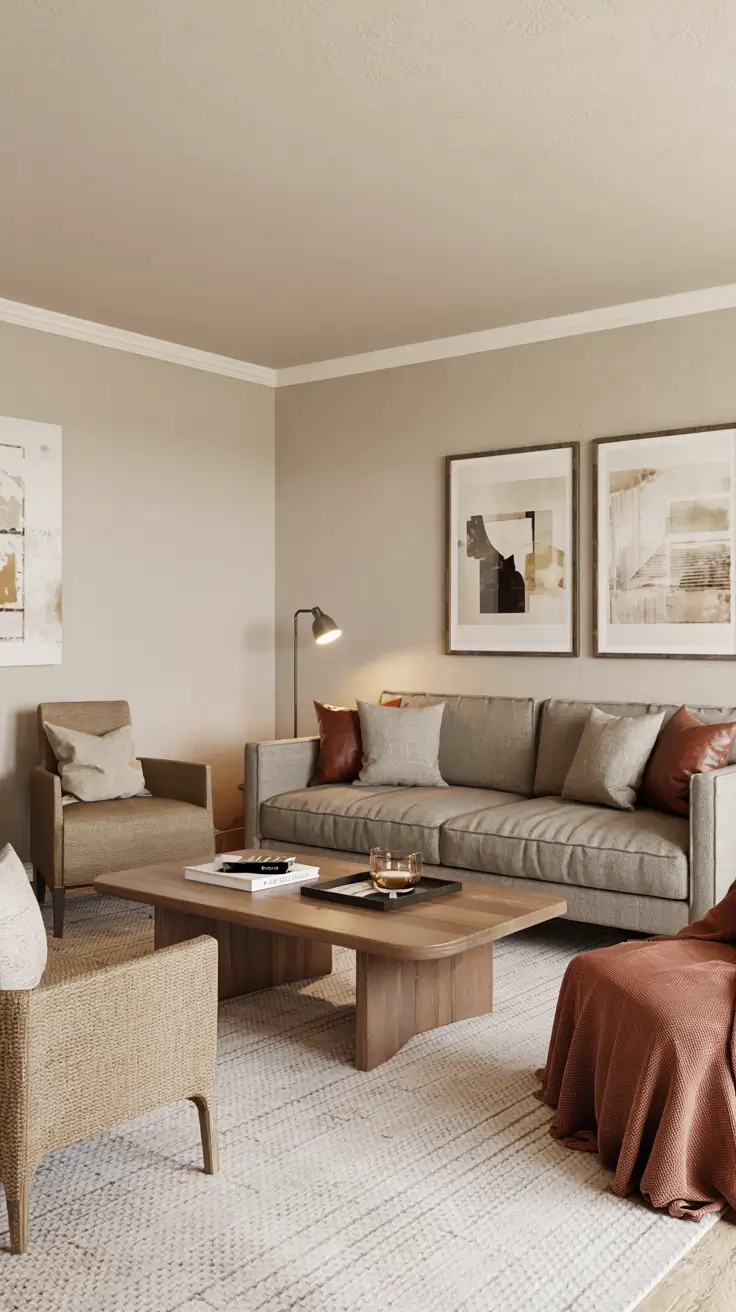
For furniture, I pair a gray sofa with warm wood tables, a textured area rug, and at least two accent materials like boucle, linen, or matte leather. I prefer a rug that is slightly lighter than the sofa so the seating does not look like a single dark block. I add a simple coffee table with rounded corners to make walking paths easier, especially in apartments. For color, I use earthy accents like clay, camel, or muted olive in pillows and art, then repeat that tone in a vase or throw. I like to include one statement chair in a different fabric to prevent the room from feeling overly matched. This keeps living room sofas ideas practical while still giving the space personality.
From my experience, gray sofas look best when you commit to warm lighting and at least three textures within the first glance of the room. I have learned that changing bulbs and adding a floor lamp often improves the entire color scheme more than swapping decor. Designers frequently recommend building a cohesive palette by repeating tones across the room, and I follow that by echoing one accent color in multiple spots. I also avoid too many cool blues unless the sofa is clearly warm gray, because the room can drift sterile fast. If you want a calmer look, I suggest keeping art frames and metals consistent, like all matte black or all brushed brass. That consistency makes the gray feel intentional and updated for 2026.
What I would add to complete this section is a clear plan for undertone testing and fabric sampling. I recommend placing a pillow, rug swatch, and paint sample next to the sofa in morning and evening light. I also like to add one natural element, like a plant or a wood bowl, to keep gray from reading overly urban. If the room needs more depth, I would introduce a second neutral like oatmeal or mushroom in curtains. Finally, I would check scale, making sure the rug is large enough so the sofa’s front legs sit on it, which instantly looks more polished.
9. Small Living Room Layout With Fireplace And TV Sectional Sofas Guide
A small living room layout with fireplace and tv sectional sofas setup works in 2026 when I treat the fireplace as an architectural feature and the TV as a practical one. The trick is choosing the primary focal point and then organizing sightlines so neither feels like an afterthought. I usually aim for a sectional that anchors the seating without blocking the fireplace surround or the main walkway. In tight rooms, I prioritize a compact L-shape with slimmer arms and a higher leg to keep visual weight low. I also keep the chaise length realistic, because an oversized chaise is what most often causes cramped circulation. When done right, the room feels cozy and functional, not like furniture is competing for space.
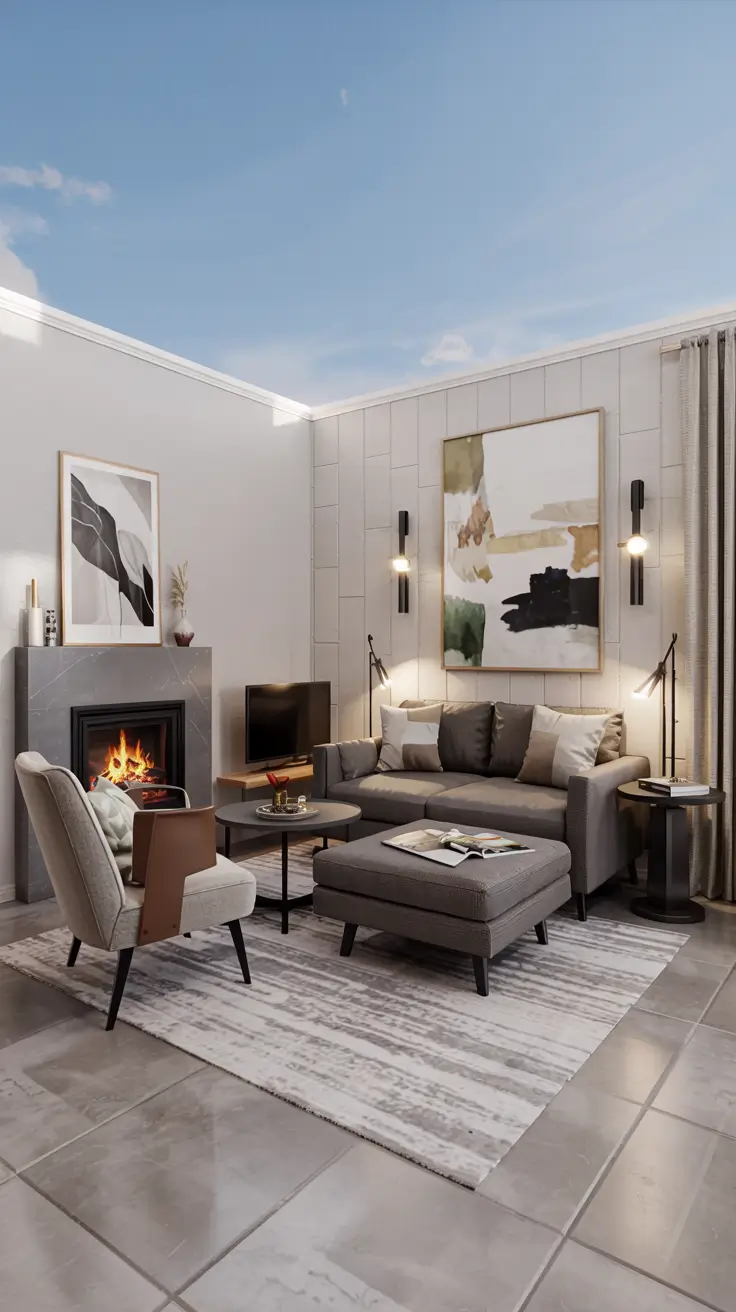
For the furniture plan, I like a sectional facing the TV with a slight angle that still respects the fireplace. If the TV must sit above the fireplace, I add a low media console elsewhere for storage so the room does not rely on bulky built-ins. I use a round or oval coffee table because corners steal inches you cannot spare. A narrow side table and a wall-mounted sconce can replace a wide end table and floor lamp. I choose a rug that visually connects the seating area, with the front legs of the sectional on the rug to make the zone feel deliberate. This is one of the most reliable living room sofas ideas for small spaces because it improves flow immediately.
In my own projects, I have found that the best improvement comes from measuring viewing distance and walkway width before buying the sectional. It is easy to fall in love with a deep seat, but in small rooms it can push the coffee table too close and disrupt comfort. I also keep the palette lighter when the sectional is large, because the eye needs breathing room. Many designers emphasize clear circulation paths, and I agree by leaving at least a comfortable walkway along one side of the seating zone. If glare is an issue, I use layered window treatments so TV viewing is easier during the day. These small adjustments make the sectional feel like a smart choice rather than a compromise.
What I would add here is a checklist for common constraints like radiator placement, hearth depth, and door swing. I also recommend noting where outlets are, since lamp placement and TV cables can influence the best wall for the screen. If the fireplace is rarely used, I sometimes shift priority to the TV and treat the fireplace as a styled backdrop. I would also add a storage strategy, like a slim console, nesting tables, or an ottoman with hidden space, because small living rooms need furniture that does double duty.
10. Corner Sofas Ideas Living Room Couch Placement And Styling
Corner sofas work especially well in 2026 layouts because they maximize seating while helping define an open space. For corner sofas ideas living room couch placement and styling, I start by mapping traffic flow and placing the corner where it will not interrupt movement. I like to use the corner sofa to create a natural boundary between living and dining zones in open plans. In smaller rooms, a corner sofa can replace both a sofa and extra chairs, which reduces clutter. I also pay attention to the sofa’s back height, since a tall back can feel like a wall. When the proportions are right, the room looks intentional and comfortable for daily life.
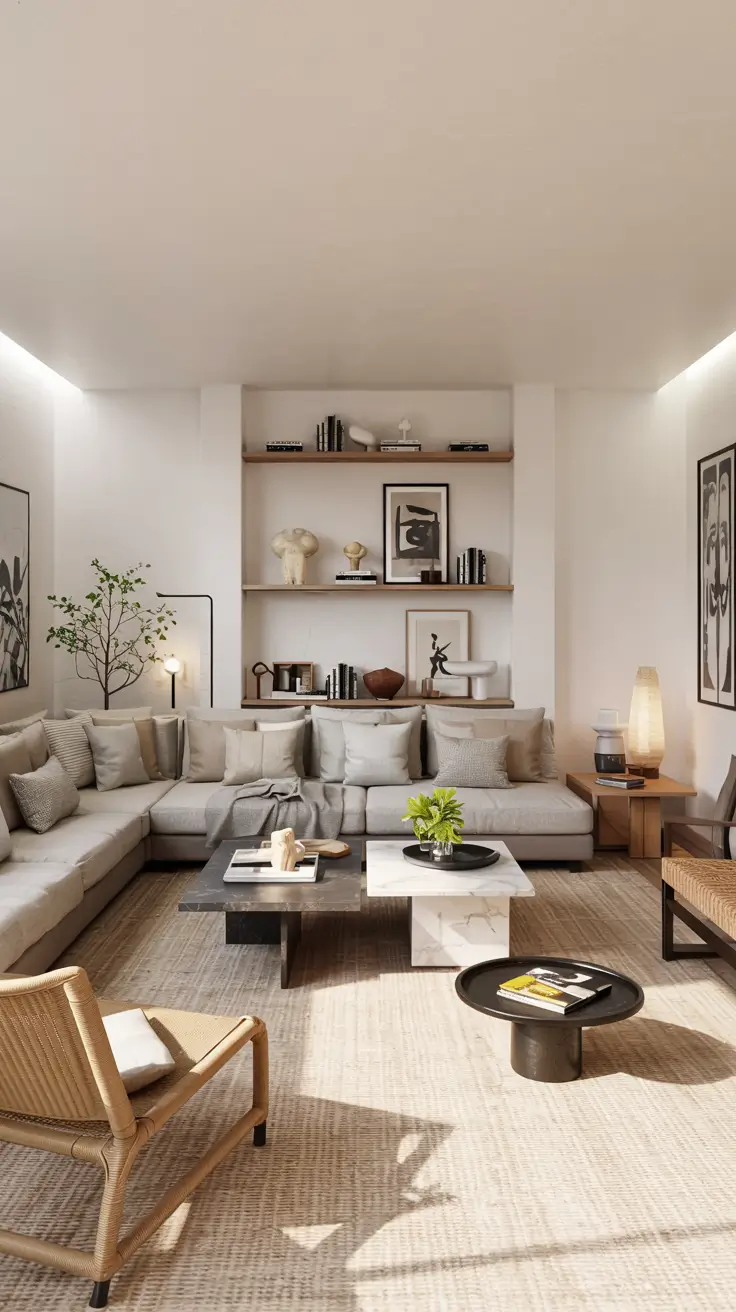
For styling, I keep the corner sofa balanced with a coffee table scaled to the longer side, plus a smaller accent table near the short return. I often add one accent chair instead of multiple chairs because it keeps the room flexible. I choose a rug that extends beyond both sides of the sofa so the seating area feels complete. For decor, I use a mix of cushions in two to three tones and vary textures so the sofa looks layered, not busy. I like shelves above the sofa only when the sofa does not sit directly under a low ceiling, and I keep shelf styling minimal. This approach makes couch living rooms sofas layouts feel curated without looking staged.
From my perspective, corner sofas feel most modern when I avoid over-accessorizing and instead focus on clean lines and a few strong materials. I have also learned that corner sofas benefit from lighting on both ends, like a floor lamp on one side and a table lamp on the other. Designers often talk about creating conversation zones, and I do that by pulling the coffee table closer and adding a tray to signal a gathering spot. If the room feels too heavy, I add a light-toned rug and a glass or airy table to open the view. I also use art to create height, which helps the sofa feel integrated into the room rather than dominating it. These small moves keep living room sofas looking fresh for 2026.
What I would add is guidance on choosing left-facing versus right-facing configurations based on your room entry. I recommend standing at the main doorway and imagining the clearest route to the seating area, then selecting the return that keeps the path open. I would also add a note on modular corner sofas, since they make it easier to adapt when you move. Finally, I would include a reminder to measure the diagonal clearance for delivery, because corner sofas often fail at hallways and stair turns.
11. Living Room Different Color Sofas And Bold Interior Statements
Mixing living room different color sofas is a 2026-friendly way to make a space feel personal, especially if you want more depth than a matching set. I like this approach when the room has good natural light and enough wall space to support a stronger palette. The key is choosing two sofa colors that relate, either through undertone or through repeated accents in the room. I treat one sofa as the anchor color and the second as the accent that adds energy. This strategy also works well if you already own one sofa and want to add a second without replacing everything. Done thoughtfully, sofas in living rooms can look collected over time rather than purchased all at once.
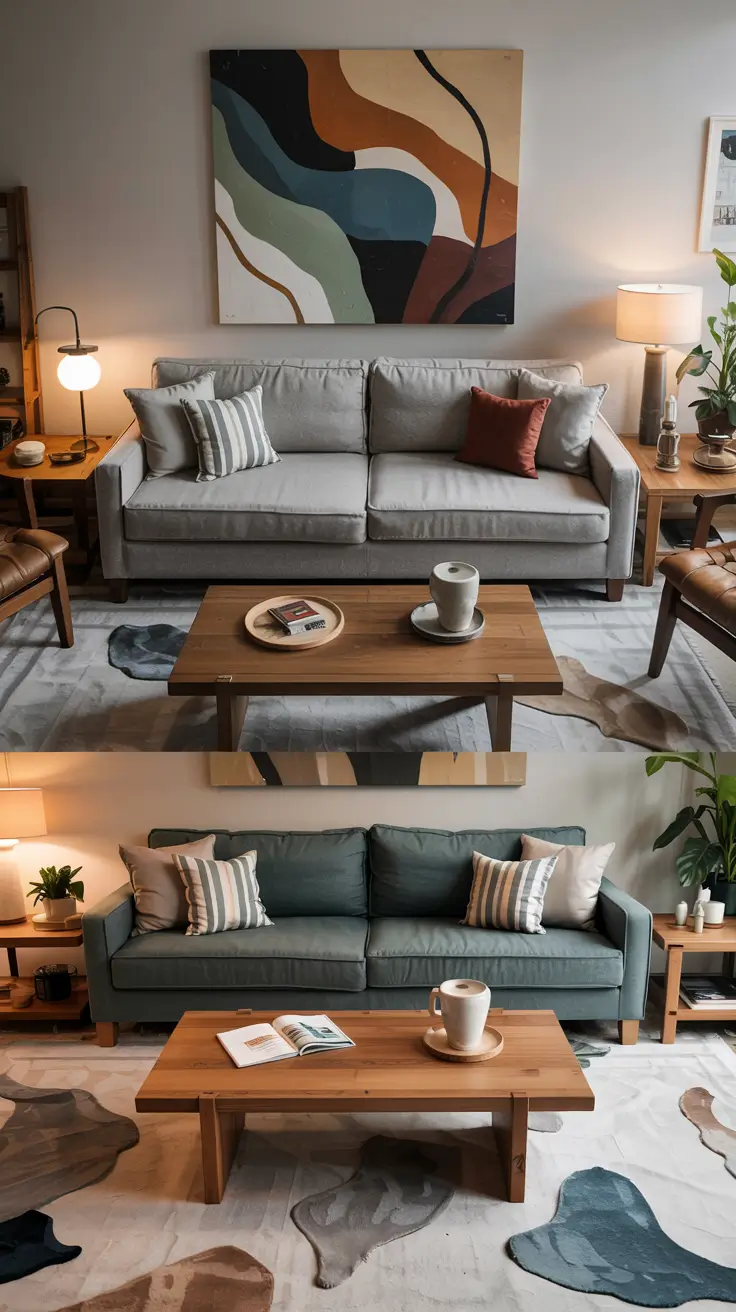
For the furniture plan, I pair a neutral sofa with a colored sofa and tie them together using one shared element, like matching legs, similar silhouettes, or a common fabric texture. I choose a rug that includes both sofa tones in a subtle way, which helps the mix feel natural. If I add chairs instead of a second sofa, I still keep the palette consistent by repeating the accent color in pillows and art. I like to keep the coffee table and side tables in a single finish, usually wood or black, to create stability. This makes living room sofas ideas feel bold but still organized. It also prevents the room from becoming visually noisy.
In my experience, the biggest mistake is mixing two bold colors without a plan for repetition. I have had success by selecting an accent color from a piece of art and then using it on the second sofa, so the room looks designed from the start. Designers often advise limiting a space to a controlled palette, and I follow that by keeping most large surfaces neutral when sofas are colorful. I also find that texture matters more than people expect, since velvet, leather, and linen reflect light differently and change how colors read. If you want something trendy but timeless, I like pairing a deep green or blue sofa with a warm neutral sofa. This combination looks current for 2026 while still feeling grounded.
What I would add is a simple method for choosing the two colors. I recommend picking one warm tone and one cool tone, then connecting them with a bridging neutral like ivory, taupe, or warm gray. I would also add a note about wood tone coordination, because warm woods usually help mixed colors feel cohesive. Finally, I suggest planning at least three repeat points for the accent sofa color, like a pillow, an artwork accent, and a ceramic piece.
12. Carmel Colored Couch Living Rooms Sofas With Warm Neutral Palettes
Carmel colored couch living rooms sofas are a strong 2026 choice because they bring warmth without feeling as dark as chocolate or as sharp as black. I like caramel when a living room needs a cozy focal point that still pairs well with many neutrals. This color works especially well in spaces with natural materials like wood, linen, and woven textures. I plan the palette around creamy whites, sandy beiges, and soft browns so the caramel reads rich and intentional. If the room is small, caramel can still work because it adds warmth without swallowing light. It is one of the easiest ways to make living room sofas feel inviting.
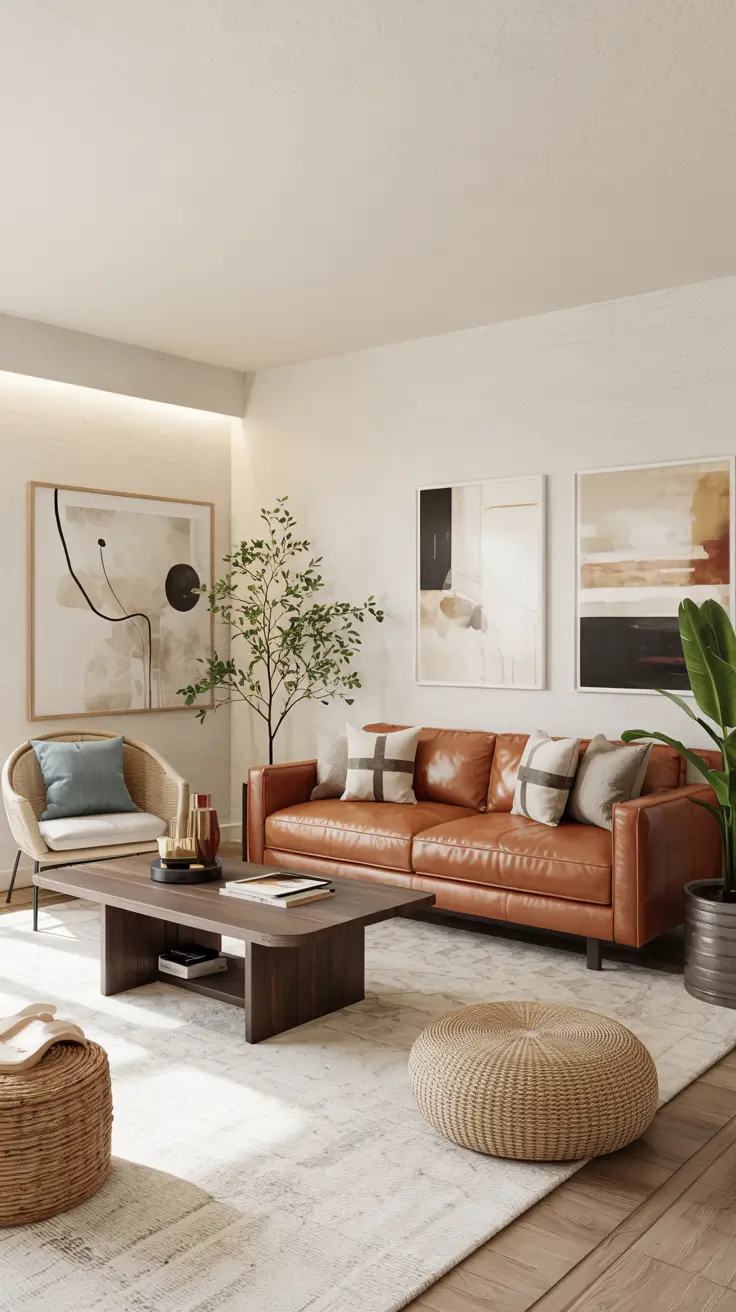
For the furniture mix, I often choose a caramel sofa in leather or a performance fabric that holds its tone over time. I pair it with a light rug, a wood coffee table, and soft textiles to keep the room balanced. To modernize the look, I add black accents in a lamp or frame, but I keep them minimal so the room stays warm. I like adding a curved chair or rounded ottoman to soften the lines and make the layout more relaxed. If you want extra seating, I add chairs instead of another large sofa to keep the caramel as the star. This keeps couch living rooms sofas arrangements practical and visually calm.
From my own work, caramel looks best when I add layered lighting and a mix of matte and tactile finishes. I have also noticed that caramel pairs beautifully with greenery, so even one plant can elevate the whole palette. Many designers talk about using warm neutrals to create timeless interiors, and I see caramel as a modern version of that idea. If you want to keep it from looking too rustic, I use clean-lined tables and simple drapery. I also avoid overly orange accessories, because they can push caramel into a more dated look. With the right balance, caramel feels current and elegant for 2026.
What I would add is a clear set of complementary color combinations for light blue accents. I recommend light blue in pillows or art, paired with ivory and caramel for a fresh, airy contrast. I would also add guidance on mixing metals, since brushed brass and matte black both work well here if you choose one as the primary. Finally, I would include a tip to test the caramel tone in your lighting, because some caramels lean more orange and others more tan.
13. Brown And Cream Living Room Ideas Sofas For Cozy Elegance
Brown and cream living room ideas sofas feel especially relevant in 2026 because they combine comfort with a refined, calm look. I like this palette when someone wants warmth but also wants the space to feel light and open. The cream tones keep the room airy, while brown adds depth and grounding. This pairing also supports many styles, from modern to traditional, depending on the sofa shape and materials. I plan the layout so the brown elements anchor the room, and the cream elements expand it visually. This approach makes sofas in living rooms feel cozy without becoming heavy.
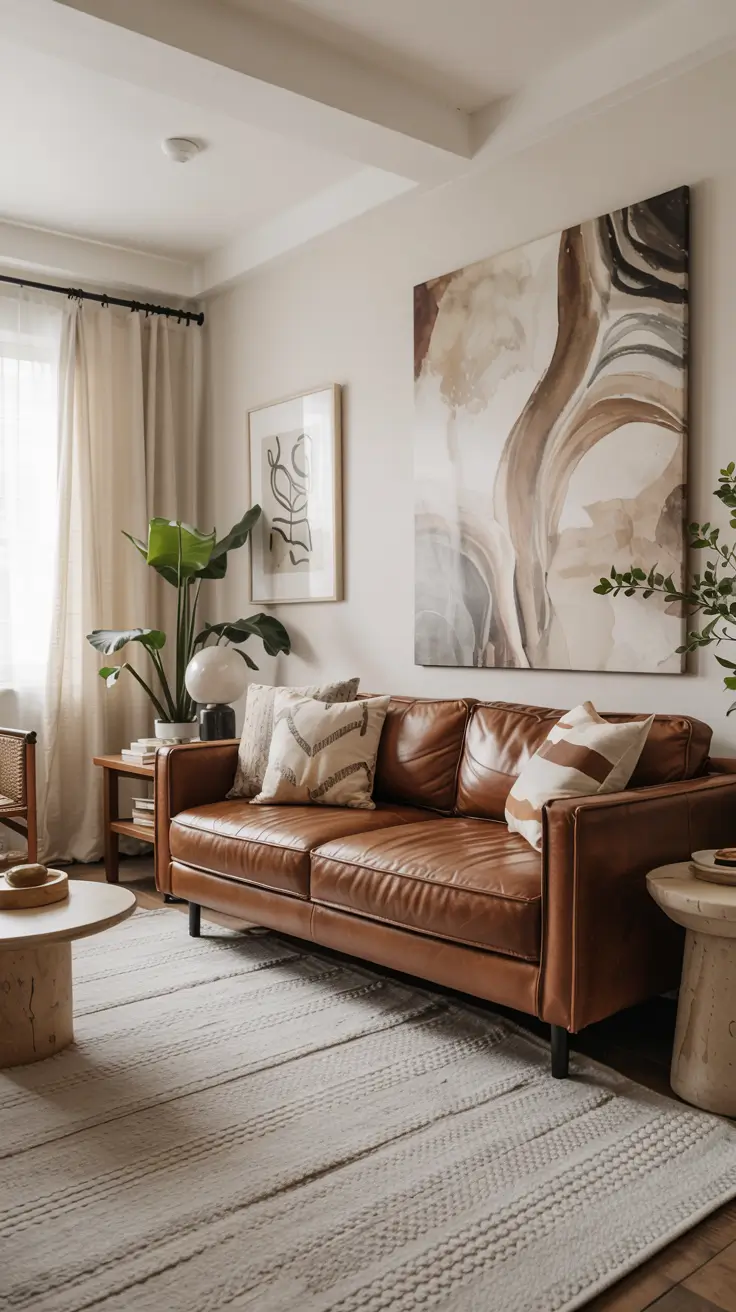
For the furniture plan, I choose either a brown sofa with cream accents or cream sofa with brown accents, based on how much light the room gets. A brown leather sofa looks polished when paired with a cream rug and textured cream curtains. If the sofa is cream, I add brown through wood tables, a leather chair, or warm-toned shelving. I keep patterns subtle, like a small check or soft stripe, so the palette stays elegant. I also like adding a deep green plant or a muted blue accessory for a small color lift. This keeps living room sofas ideas classic but not boring.
In my experience, this palette benefits from attention to texture more than anything else. I like mixing smooth leather, nubby upholstery, and a soft rug so the room feels layered. Designers often emphasize that neutral rooms still need contrast, and I apply that with a mix of light and dark values plus matte and sheen surfaces. I also recommend a warm white paint rather than a stark white, because it blends better with brown. If you want a more modern edge, I include black accents in hardware or lighting, but I keep them limited. With the right mix, the room reads calm and elevated for 2026.
What I would add is a simple guide for choosing the right brown, since brown can lean red, yellow, or gray. I suggest matching the brown undertone to your wood floors for a more cohesive look. I would also add advice on pillow sizing and layering, because that is where cream and brown can look most intentional. Finally, I recommend including at least one large art piece to avoid the room feeling too safe or flat.
14. Multiple Sofas In One Living Room Layout Ideas For Large Families
Multiple sofas in one living room can be the most practical 2026 solution for large families or anyone who hosts often. I plan these rooms by starting with the main activity, like TV watching, conversation, or a mix of both. Then I create zones so the seating feels purposeful instead of scattered. This is where sofas in living room layout decisions matter most, because you need clear walkways and balanced spacing. I also consider whether you want living room two sofas facing each other for conversation or angled toward the TV for shared viewing. When planned well, sofas in living rooms can feel generous and organized at the same time.
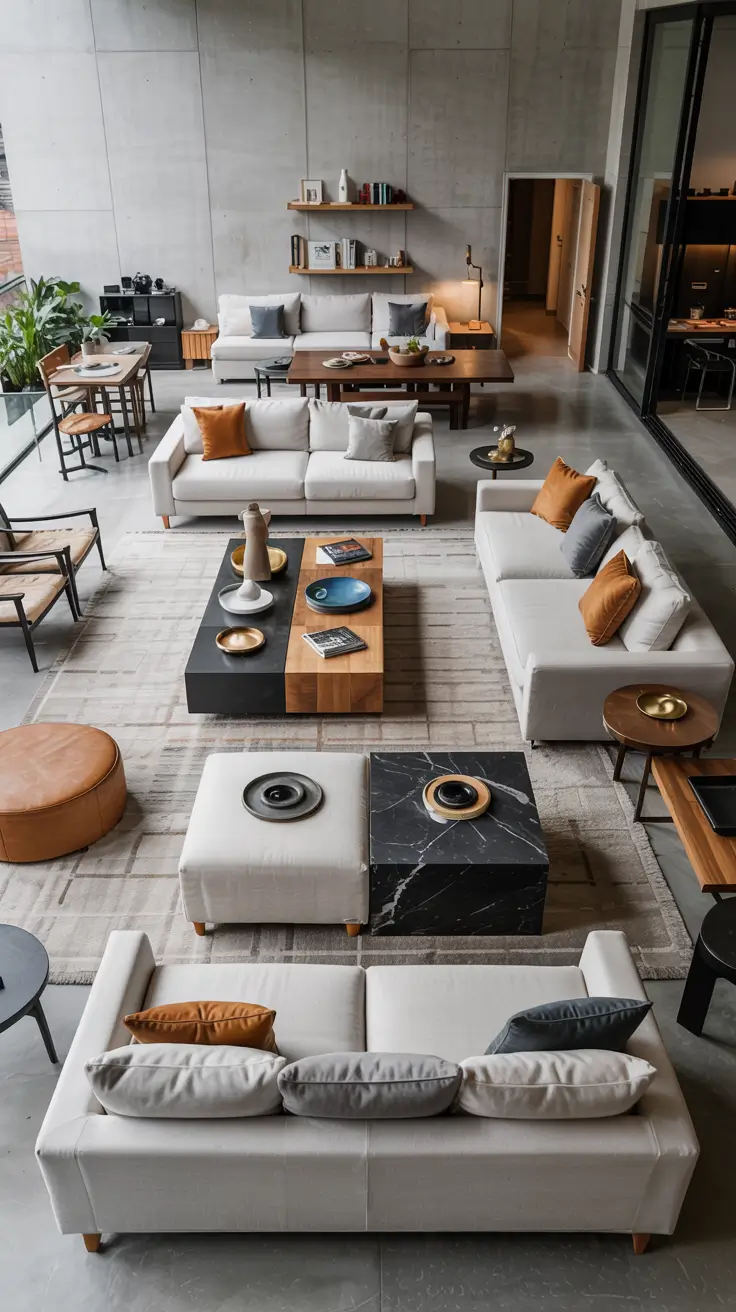
For furniture, I usually choose two sofas with compatible scale and seat height, then vary the upholstery slightly so the room does not look too matchy. One reliable option is a Facing arrangement with a coffee table in the middle, which supports conversation and games. If the room is long, I place the sofas in an L-shaped relationship and add a chair at the open end for flexibility. I keep the tables consistent in finish and style so the layout reads cohesive, and I anchor everything with a large rug. I also like adding shelves above one sofa if the wall is long and needs height, but I keep decor minimal for a clean look. This makes couch living rooms sofas setups functional for everyday life.
From my own experience, the best multi-sofa rooms include at least one piece that can move, like an ottoman or small side table, so the layout adapts to different moments. I also recommend choosing durable fabrics, especially if kids or pets use the room daily. Designers often mention that large seating groups need negative space, and I agree by leaving breathing room around the rug edges and not overfilling corners. If you want more character, I use living room different color sofas, but I keep the palette controlled so it does not feel chaotic. I also pay attention to sightlines, making sure people can talk across the room without craning around tall furniture. These details make multiple sofas feel intentional and comfortable.
What I would add is a measurement framework for spacing. I recommend leaving comfortable walking space around the coffee table and ensuring doors and drawers can open fully. I would also add a strategy for mixing 2 different sofas, such as matching the leg finish and keeping the silhouettes similar while changing color or fabric. Finally, I would include ideas for integrating a dining table nearby in open plans, using the back of one sofa to define the dining zone without adding extra partitions.
15. Brown Leather Sofas In Living Room Design Concepts
Brown leather reads timeless in 2026, but I treat it as a design anchor, not a default. When I plan sofas in living room layout around a leather piece, I focus on contrast and softness so the room does not feel heavy. I like brown and cream living room ideas sofas because the palette stays warm while still looking clean and modern. The most practical setups keep walking paths clear and place the sofa where it supports conversation, not just the TV. A brown leather sofa also handles daily wear well, which makes it a smart choice for family spaces and rentals.
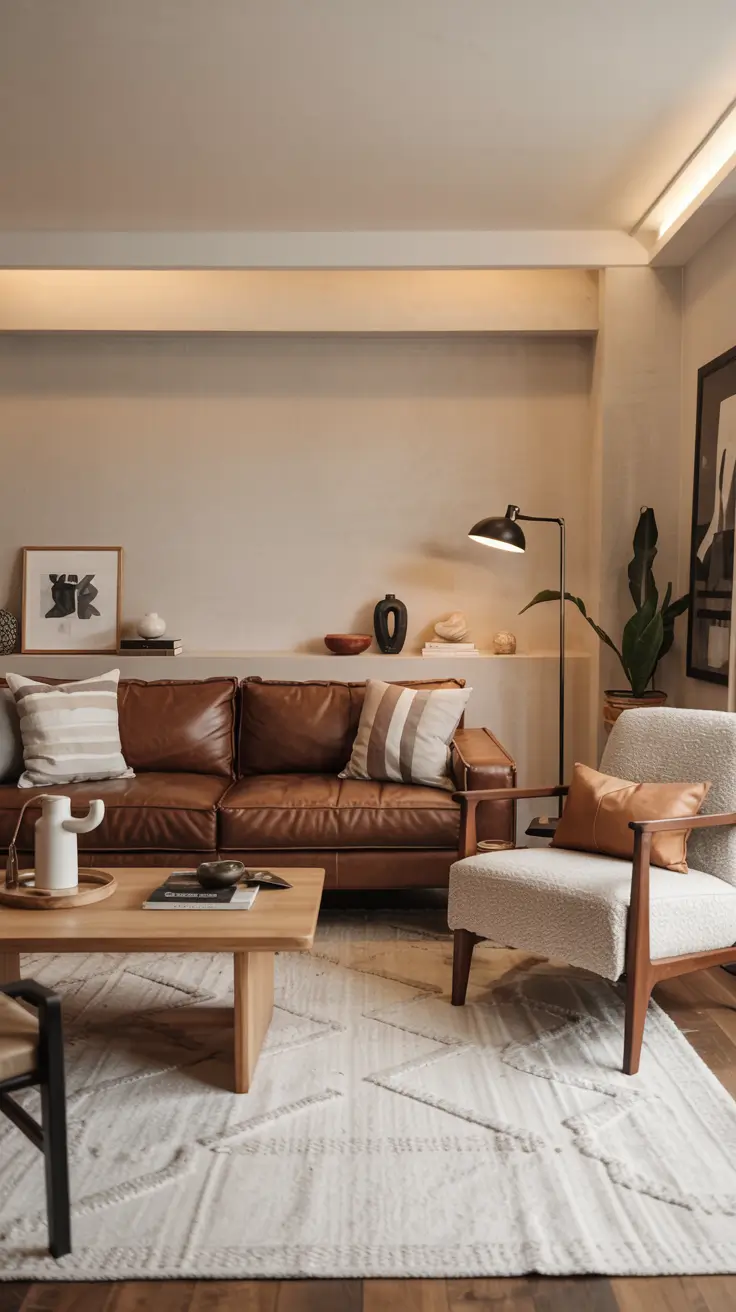
For furniture pairings, I usually add a textured rug, a light wood coffee table, and layered lighting to balance the shine of leather. If the room is large, I often include one accent chair in a different material like boucle or woven leather for depth. For living room sofas, I also look at the wall behind the sofa – shelves above can work if they are shallow and visually calm. I prefer a mix of closed storage and open styling so the room looks intentional, not cluttered. If you need extra seating, I use a pair of slim ottomans that can tuck under a console.
From experience, the biggest win with brown leather is choosing the right undertone. Some browns skew orange, some skew espresso, and that decision affects every other finish you bring in. I also keep large blocks of black to a minimum unless the space is bright, because brown leather plus black can feel too dense. A rule I follow from many pro living room styling guides is to balance one strong material with at least two soft textures, like a rug and curtains. That approach keeps the space welcoming even when the sofa has a strong presence. When I do it right, the room feels refined but still relaxed.
What I would add to complete this concept is a clear color map for the room. I like to choose one light neutral, one mid-tone, and one accent, then repeat them across pillows, art, and decor. If you want living room different color sofas in the same home, I also recommend keeping the leather room grounded with consistent woods and metals. A large plant or tall floor lamp helps lift the eye so the sofa does not visually dominate the room. Finally, I always check the rug size, because a too-small rug is the fastest way to make leather feel disconnected from the layout.
16. Leather Living Room Sofas For Modern And Rustic Interiors
Leather fits both modern and rustic spaces in 2026, but the styling rules change depending on the direction. In a modern room, I use clean lines, minimal accessories, and sharper contrast so the sofa looks intentional. In a rustic room, I lean into warmth, natural materials, and a more relaxed mix of textures. Either way, sofas in living rooms work best when the leather color connects to at least one other element, like wood beams, a stone fireplace, or warm flooring. The goal is to make the sofa feel integrated, not like a showroom piece dropped into the space.
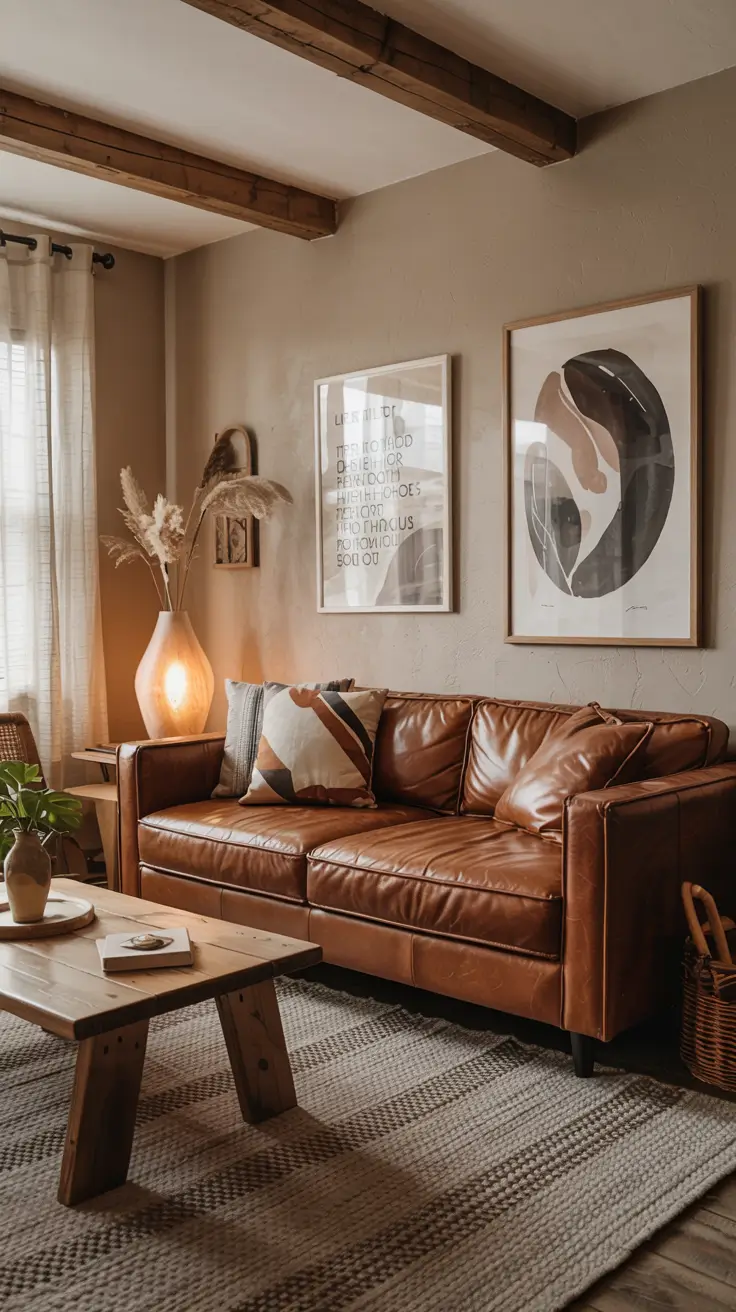
For a modern look, I pair leather with a simple wool rug, a low-profile coffee table, and structured pillows. For rustic, I add chunky knits, a woven rug, and a wood table with visible grain. I also like mixing shelves above the sofa when the styling is restrained – a few framed prints, ceramics, and a small lamp can be enough. If you have a small living room layout with fireplace and tv sectional sofas, leather can still work, but I keep the sectional shape compact and the surrounding pieces light. I avoid bulky recliners in tight rooms and choose slimmer chairs instead.
In my own planning process, I treat leather as a durability decision as much as a style decision. It is easier to maintain than many fabrics, but it can feel cool if the room lacks softness. That is why I always layer at least two tactile elements, usually a rug and curtains, before adding decor. Many interior designers emphasize that contrast creates comfort – smooth leather needs matte surfaces, natural fibers, and warm lighting. I find that advice practical because it prevents the room from feeling sterile. Once lighting and texture are right, leather reads inviting, not formal.
What I would add here is guidance on finish and sheen. Matte or lightly distressed leather feels more casual and hides wear better than high-gloss finishes. I also recommend testing how the leather color looks under evening lighting, because warm bulbs can shift tone dramatically. If you want to mix leather with other sofas, keep one consistent thread, like repeated wood tones or a shared rug color. That helps couch living rooms sofas feel cohesive even when styles vary. A final detail is adding a side table at arm height, which improves comfort and makes the seating zone more functional.
17. Chairs Instead Of Sofas Creative Living Room Seating Alternatives
Not every living room needs a traditional sofa, and in 2026 I see more layouts built around flexible seating. Chairs instead of sofas work especially well in small spaces, studios, and rooms that need to serve more than one purpose. When I design this, I focus on creating a conversation-friendly arrangement so the room still feels complete. I also plan clear pathways and use rugs to define the seating zone, since there is no single big piece to anchor the layout. This approach can make sofas in living room layout feel lighter, even if you still add a loveseat later.
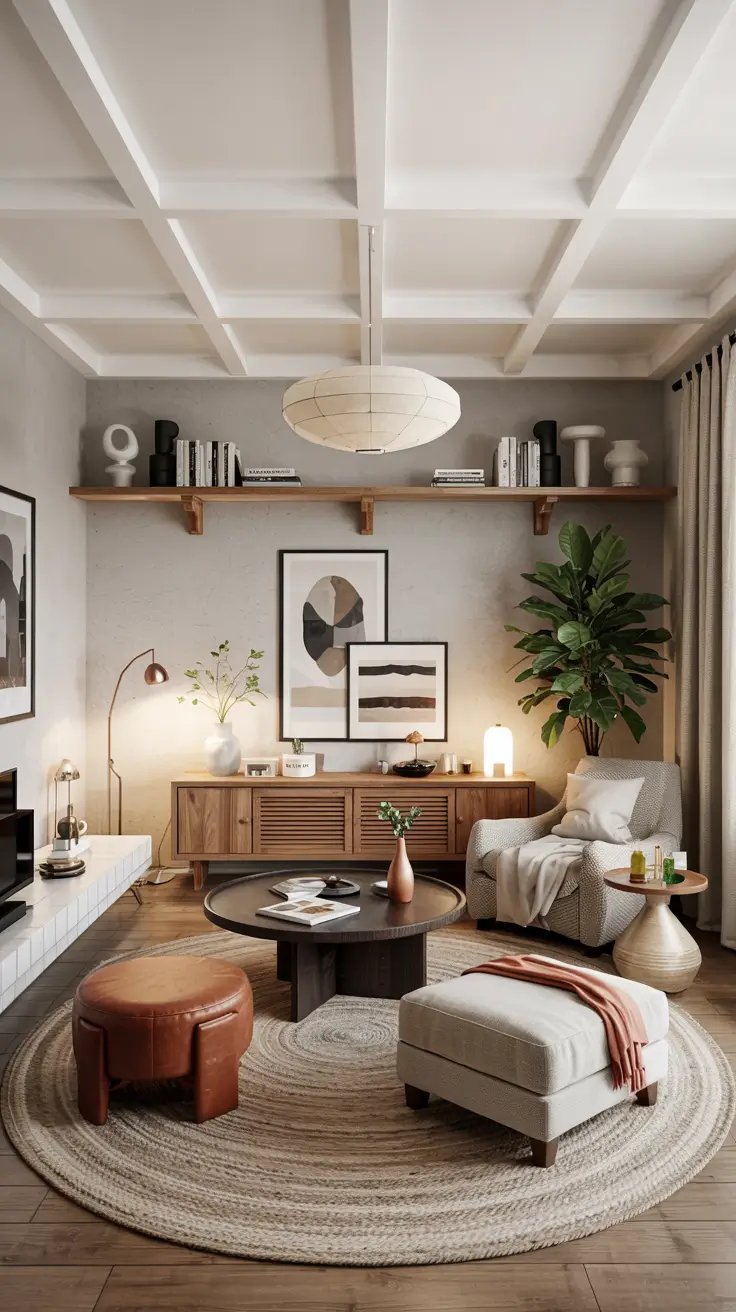
The furniture mix I rely on is two comfortable lounge chairs, one small settee or bench, and a pair of ottomans that can move. A round coffee table often works better than a sharp-edged rectangle because it keeps circulation smooth. If the room doubles as a dining table area, I choose dining chairs that match the living room palette so the zones relate. Storage matters here, so I like a low media console plus a closed cabinet to hide clutter. If you want shelves above the seating, I keep them symmetrical and not too deep, so the wall looks calm.
In practice, this is one of the easiest ways to make a room feel custom. I have found that people use spaces more when seating can shift based on guests, work, or relaxation. Design editors often point out that a good room supports multiple activities, and chair-based layouts do that naturally. I also find it easier to introduce color through chairs, because swapping one chair is simpler than replacing a sofa. If you want living room different color sofas but prefer not to commit, chairs are a safer way to experiment. The key is choosing chairs with real comfort, not just good looks.
What I would add to make this section complete is a sizing guide. Lounge chairs should allow at least a small table within reach, and there should be enough space for legs and movement around the coffee table. I also recommend adding one soft element that visually connects everything, like a large rug or a wall-to-wall curtain panel. If the room lacks a sofa, lighting becomes even more important, so I always include a floor lamp and a table lamp. Finally, I suggest adding one defined focal point, like art or a fireplace, so the seating arrangement feels intentional and grounded.
18. Sofa Shape Trends 2026 From Classic To Contemporary
Sofa shapes in 2026 are about comfort, softer geometry, and better use of space. I see a strong split between classic tailored silhouettes and contemporary shapes that prioritize lounging. When I plan living room sofas ideas, I start with how people actually use the room – hosting, TV time, reading, or work. Shape affects traffic flow, so I always measure pathways and sightlines before choosing anything. The most successful sofas in living rooms look good and make movement easy.
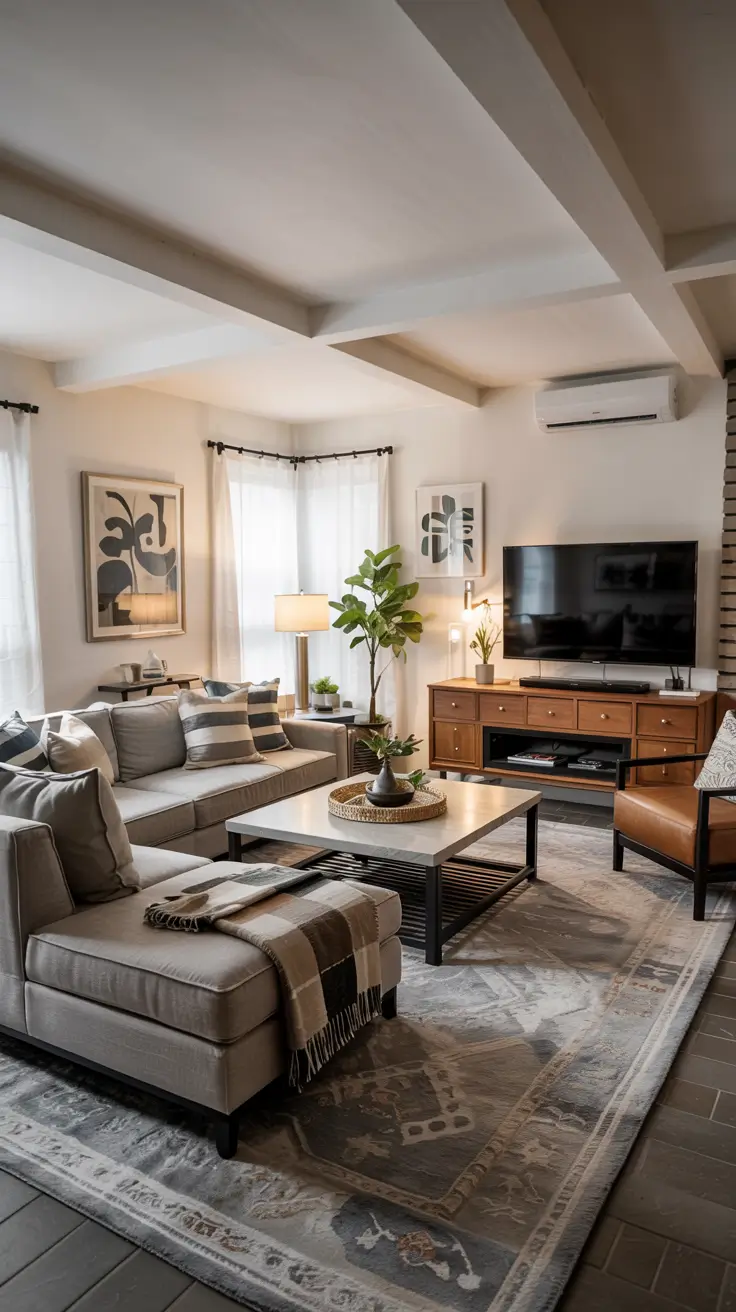
For classic shapes, I like a structured three-seater with slim arms and raised legs, because it keeps the room airy. For contemporary spaces, deeper seats and low profiles are popular, especially when paired with oversized rugs. Sectionals remain a favorite for families, and they can work in a small living room layout with fireplace and tv sectional sofas if you keep the depth moderate. Corner sofas ideas living room couch are still strong, but I prefer versions with a chaise that does not block entry paths. If you want living room two sofas, I often use matching silhouettes in different sizes to keep the layout balanced.
My opinion is that shape should serve the room first, then the trend. Curvier and deeper sofas are comfortable, but they can overwhelm tight spaces and make the room feel smaller. I follow the common designer advice to prioritize scale and negative space – if the sofa eats the floor, the room loses energy. I also pay attention to the seat height, because low sofas can be beautiful but less comfortable for some people. When I choose carefully, the result is a room that feels current without sacrificing usability. That is the sweet spot for 2026.
What I would add here is a checklist for choosing shape. I like to confirm the primary viewing angle, the number of seats needed daily, and whether the room requires open corners for movement. If pets or kids are involved, I also consider arm shape and cushion type, since some designs show wear faster. For a cohesive look, I keep the coffee table shape aligned with the sofa shape, like round with curved, rectangular with tailored. Finally, I recommend testing the depth with a tape measure on the floor – it prevents buying a sofa that looks great online but feels wrong at home.
19. Curved Sofas In Living Room Layout For Soft And Organic Flow
Curved sofas are one of the most noticeable 2026 directions because they soften a room instantly. I use them when I want the layout to feel welcoming and to encourage conversation. Curves also help in open-plan rooms because they guide movement without adding hard corners. In sofas in living room layout planning, a curved sofa becomes a sculptural center, so I keep the surrounding pieces quieter. It is especially effective when the room has sharp architectural lines that need visual balance.
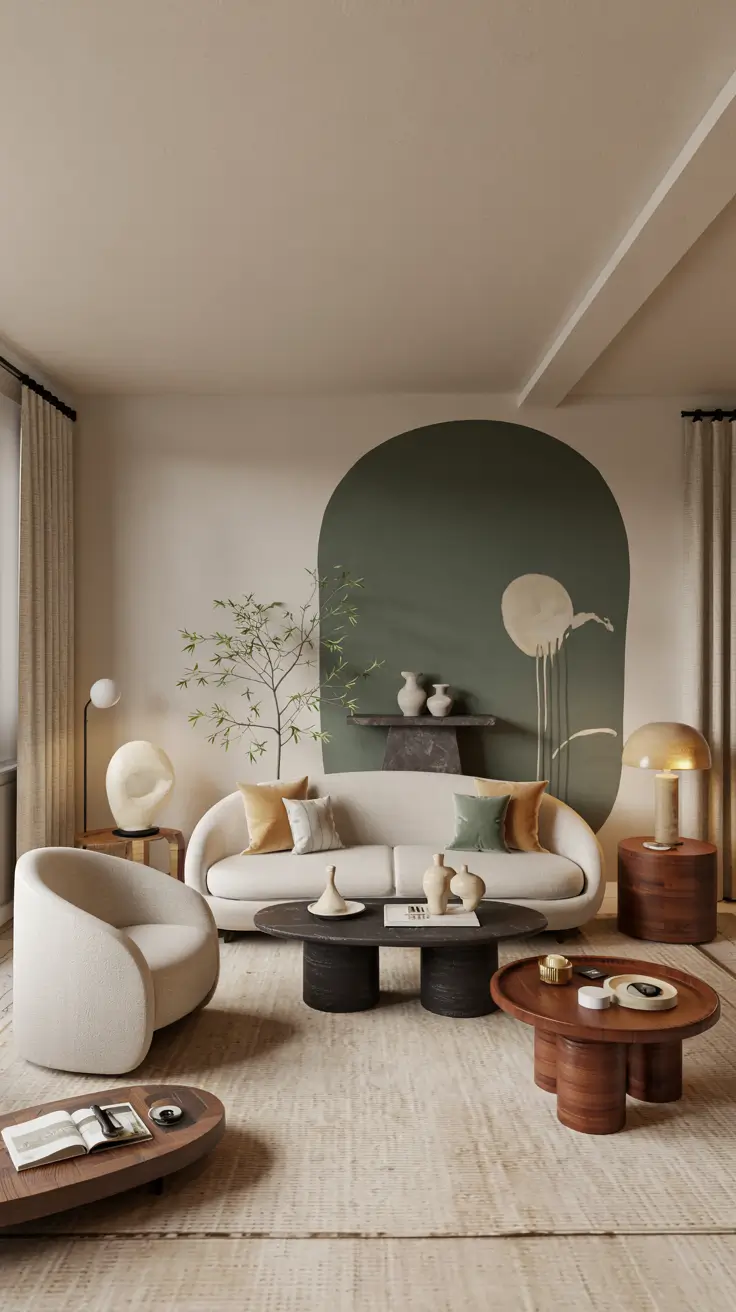
To furnish around a curved sofa, I usually choose a round or oval coffee table, a plush rug, and one or two simple accent chairs. If you want mixing of materials, I add a wooden side table and a matte ceramic lamp to keep the look grounded. For color, curved sofas look great in deep green, grey, light blue, or warm neutrals, depending on the room. If you want a grey couch living room ideas color schemes gray sofas approach, I pair grey with warm wood and soft cream textiles so it does not feel cold. I avoid placing a curved sofa too close to walls, because it needs breathing room to look intentional.
From my experience, the biggest mistake is trying to force a curved sofa into a layout meant for a straight sofa. I plan the room like a circle, with the rug as the base and the coffee table as the center point. Designers often recommend leaving enough clearance around curved pieces to keep flow easy, and I agree because curves need space to read as design, not as awkward placement. I also find that lighting makes or breaks this look – warm layered lighting keeps the curve feeling cozy. When done well, the room feels modern but not harsh. That is exactly what many people want in 2026.
What I would add is guidance for TV placement and sightlines. A curved sofa can still face a TV, but I usually angle the media console slightly or choose a flexible mount. I also recommend adding at least one straight-lined piece, like a rectangular console or a linear shelf, to balance the soft geometry. If the room needs extra seating, I add a small swivel chair because it complements the curve and adds function. Finally, I always confirm rug size, because a curved sofa needs a large enough rug to prevent it from floating awkwardly in the room.
20. Color Combinations For Light Blue Sofas In Living Room Design
Light blue sofas feel fresh in 2026, especially when the rest of the room stays calm and intentional. I treat light blue as a soft statement that pairs well with both warm and cool palettes. If you want color combinations for light blue that still feel grown-up, I use layered neutrals, natural wood, and muted accents rather than bright contrasts. This is one of my favorite living room sofas ideas because it can look airy in small rooms and elegant in larger ones. The key is choosing supporting colors that keep the sofa looking like a design choice, not a random color.
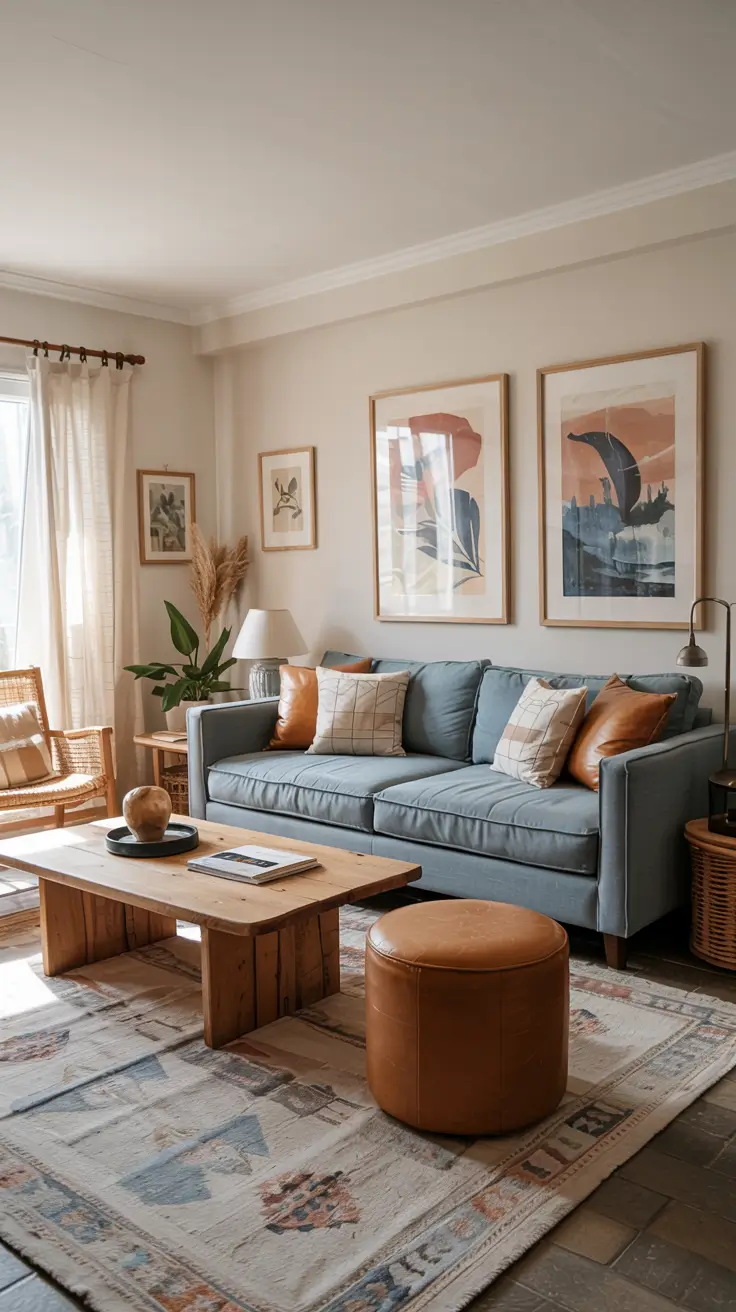
For pairings, I like light blue with cream, sand, and warm white for a relaxed look. If you want a sharper vibe, light blue with charcoal, matte black, and pale oak can look modern without feeling cold. For textiles, I add a rug with subtle pattern, linen curtains, and pillows that repeat the palette in small doses. If you want living room different color sofas, light blue can work alongside a neutral loveseat if both share the same undertone family. I also like adding one accent color, like soft orange or caramel, in small pieces such as a throw, art, or a single chair.
In my experience, light blue is easiest to style when you commit to consistent metals and woods. Too many finishes can make the room look busy and fight the calm effect of the sofa. Many design editors emphasize building a palette with a base, a secondary, and an accent, and that method is very practical here. I also pay attention to the wall color, because bright white can make light blue look icy, while warm white makes it look softer. When I balance it correctly, the room feels bright, comfortable, and current. That is the goal with sofas in living rooms right now.
What I would add is a quick lighting and paint check. I recommend testing the sofa color against fabric swatches in both daylight and evening light. If you want the room to feel warmer, add caramel toned wood, brass accents, and warm bulbs. If you want it cooler, add grey and white with minimal warm tones, but keep texture high so it still feels cozy. Finally, I suggest choosing art that includes a touch of blue, because repeating the sofa color in art helps the palette feel complete.
21. Wooden Frame Sofas In Living Room Natural And Scandinavian Style
Wooden frame sofas fit perfectly into the 2026 preference for natural materials and simple lines. I like them for Scandinavian-inspired rooms because the visible wood adds structure without heaviness. In sofas in living room layout, a wood frame sofa often looks lighter than a fully upholstered piece, which helps small rooms feel more open. I use this style when I want an airy base that works with many color stories. It is also a strong option for people who want a calm, minimal home that still feels warm.
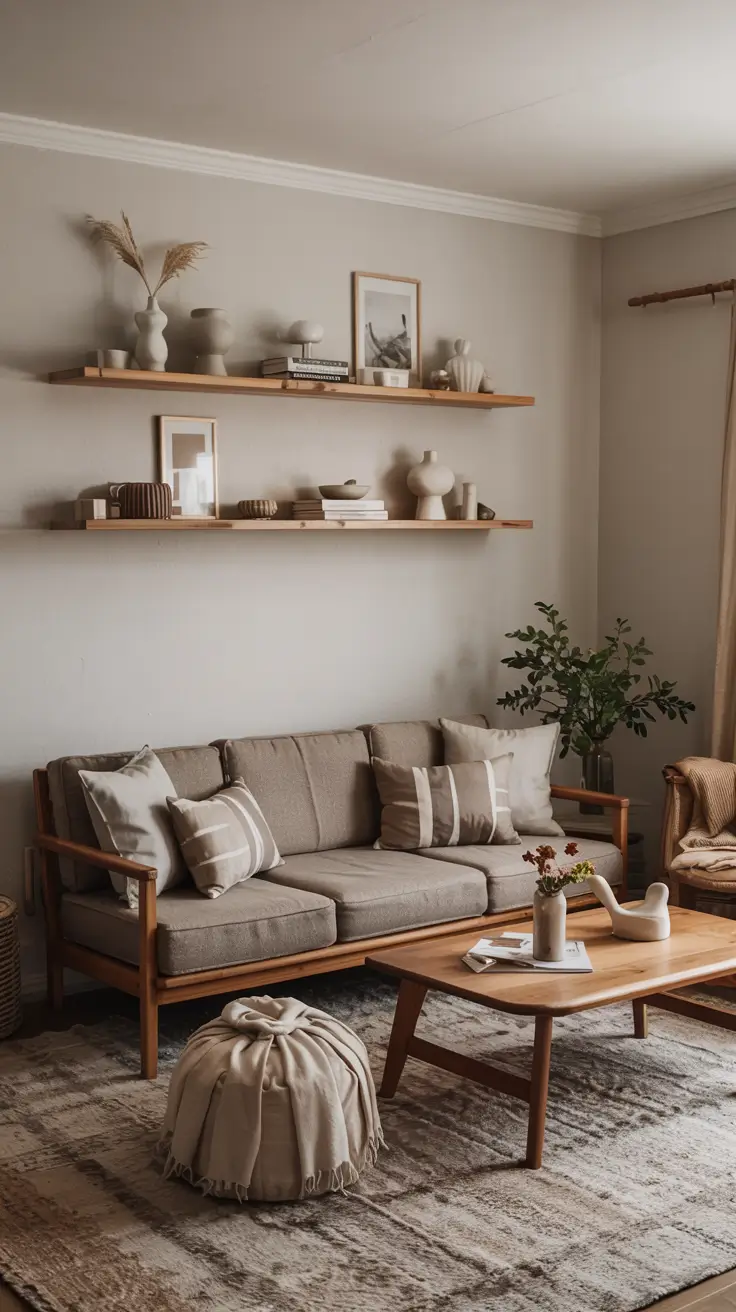
For the rest of the room, I pair a wooden frame sofa with a textured rug, a simple coffee table, and soft lighting. I keep upholstery in neutral tones like cream, beige, or grey, then build warmth through wood tones and textiles. If you want ideas for grey in this context, grey cushions with warm oak and cream walls can look balanced and modern. I also like adding shelves above the sofa in the same wood tone, but I keep styling minimal so the wall feels clean. If you need more seating, I add one accent chair in a different texture, not a different wood, to avoid visual clutter.
From my experience, Scandinavian style works best when you prioritize quality over quantity. Too many objects fight the calmness that makes this style appealing. Many well-known interior design sources consistently highlight the value of natural light, functional furniture, and restrained decor in Scandinavian spaces, and I follow that because it keeps rooms livable. I also find that wooden frame sofas encourage better layout decisions since they reveal negative space and make proportions obvious. When everything fits, the room feels intentional and easy to maintain. That is a big advantage for everyday living.
What I would add is a material and comfort check. Some wooden frame sofas look great but feel firm, so I recommend choosing supportive cushions with comfortable depth. I also suggest using a larger rug than you think you need, because it makes the wood frame sofa feel grounded and cozy. If the room includes a dining table, I match wood tones loosely rather than exactly, so it looks natural, not staged. Finally, I always add one soft element with visual weight, like full-length curtains or a large woven rug, to keep the space from feeling too sparse.
22. Orange Sofa Living Room Ideas For Vibrant Color Accents
An orange sofa is one of my favorite ways to add energy without making the room feel chaotic. In 2026 interiors, I see orange used as a confident focal point, balanced by calm walls and grounded textures. This approach works in both open plan apartments and closed living rooms because the sofa sets a clear visual anchor. I like it most in rooms that get good daylight, where the color reads warm instead of heavy. If the room is smaller, I keep the surrounding palette simple so the orange does not visually shrink the space.
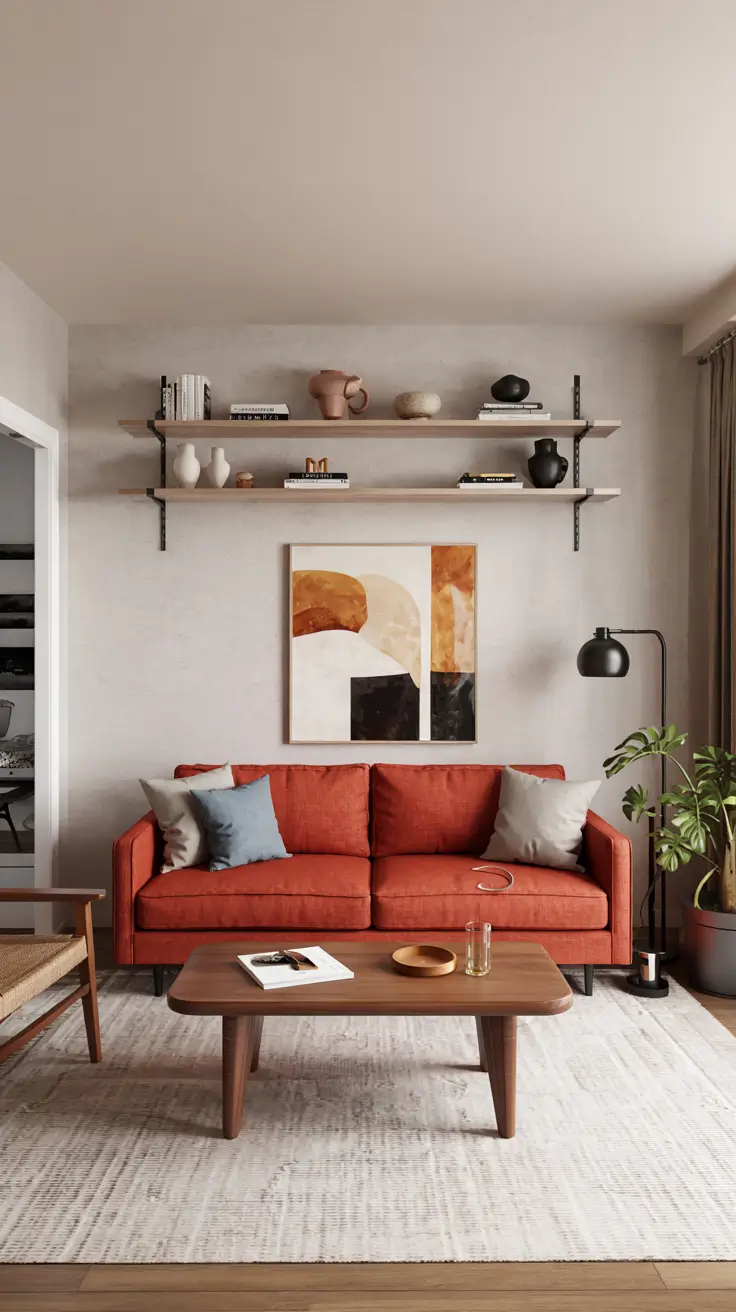
For furniture and decor, I pair an orange sofa with wooden elements to keep the look natural and not overly trendy. A low wood coffee table, a soft neutral carpet, and layered lighting make the seating area feel finished. If you want chairs instead, I often keep the orange on a loveseat and add two neutral accent chairs, which makes the layout flexible. For color combinations, light blue accents can be surprisingly effective here, like pillows or art that cools the warmth of orange. I also like mixing shelves above the sofa for styling, but I keep the shelf decor minimal so the orange stays the hero.
From experience, orange works best when you repeat it subtly at least twice elsewhere in the room, like in a small vase and a book spine color. Many designers emphasize balancing strong color with neutrals and texture, and I agree because it keeps the look timeless. I also find that an orange sofa looks more modern when the shape is clean and tailored rather than overstuffed. If you love bold color but worry about commitment, choose removable covers or keep the rest of the room neutral so you can swap accents later. This is one of the easiest ways to make a living room feel fresh for 2026 without changing everything.
What I would add to this setup is one strong grounding element, like a large rug, a deep wood coffee table, or a black metal floor lamp. I would also include a clear plan for wall art scale, because orange needs art that feels proportionate and not tiny. If the room has a dining table nearby, I would repeat the orange in a subtle way at the dining area so the open space feels connected. If you are mixing different sofas, I would keep the orange as the only strong color and make the second sofa neutral. Finally, I would add layered lighting, including a table lamp and a floor lamp, to keep the orange cozy at night.
23. Choosing The Right Sofa Color For Your Living Room Style
Choosing sofa color is really about deciding what role the sofa should play in your room. In 2026, I notice people leaning into either calm base colors that blend in or statement colors that lead the design. I start by looking at fixed elements like flooring, large windows, and wall color, because those rarely change quickly. If the room already has strong features, I usually choose a quieter sofa so the space does not compete with itself. If the room is plain or rental neutral, I often use the sofa color to bring personality.
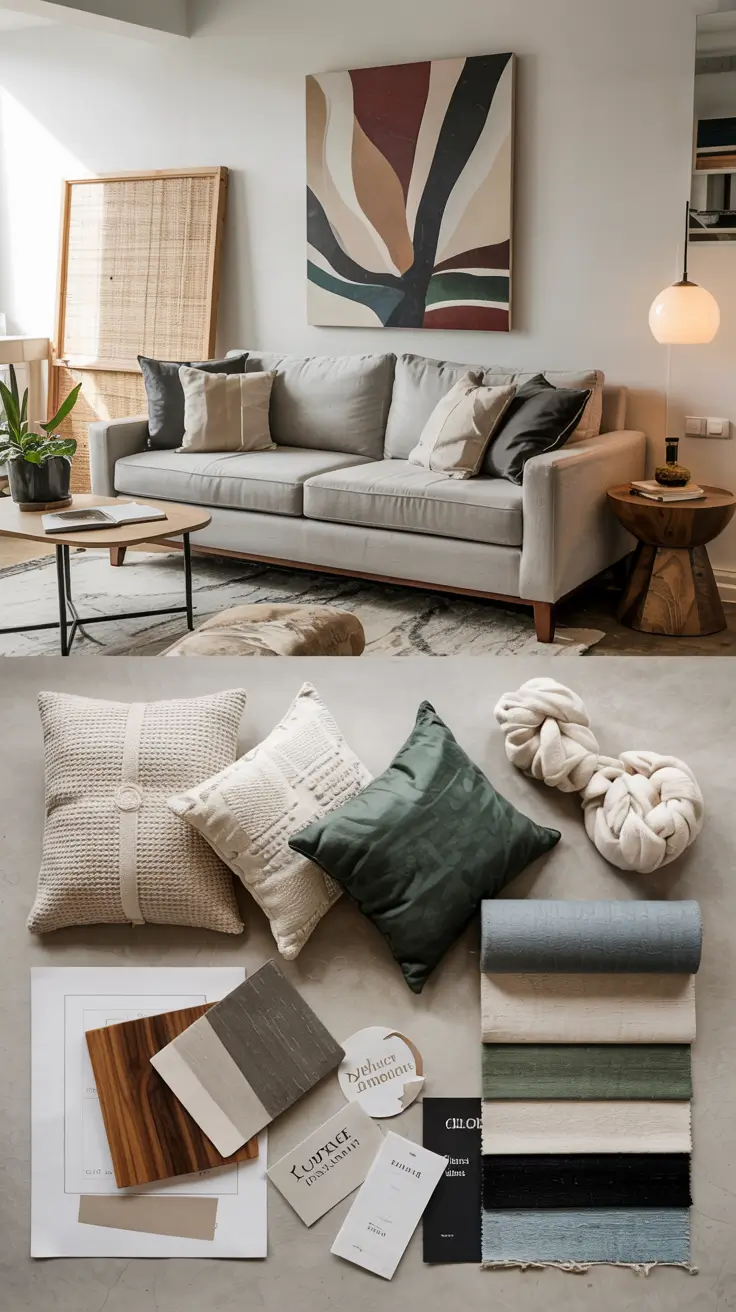
I like to map colors to function and mood. Grey couch living room ideas color schemes gray sofas are practical when you want flexibility, especially if you enjoy seasonal decor changes. Deep green is great when you want a rich, dramatic interior without going fully dark, and black is sleek if you keep enough light and texture. For brown and cream living room ideas sofas, I focus on warm neutrals and natural materials so the room feels welcoming. If you want living room different color sofas or 2 different sofas, I pick one base neutral and one accent color, then tie them together with a shared rug and coordinated pillows. This method keeps mixing from looking random.
In my own projects, I try to avoid picking color based only on trends because lighting changes everything. A sofa color can look perfect in a showroom and totally different in a north facing apartment. Many design pros advise sampling fabrics at home and checking them morning and night, and that is advice I always follow. I also pay attention to texture because a velvet green reads more formal, while a linen green reads relaxed. When people ask me what is most timeless, I say neutrals with one intentional color accent, because it allows you to update the look without replacing the sofa.
What I would add to your decision process is a simple checklist: natural light level, wall color, flooring tone, and how messy daily life gets. I would also add a plan for how the sofa color will connect to the carpet and curtains, because those are big visual fields. If you have shelves above, I would coordinate shelf styling with the sofa color so the wall does not feel disconnected. For leather, I would include a care plan so the color stays consistent over time. Finally, I would add one focal point that is not the sofa, like a bold art piece, so the room feels layered.
24. Deep Green Sofas In Living Room Rich And Dramatic Interiors
Deep green is a powerful choice when you want a room that feels calm but elevated. In 2026, I see deep green used in modern, classic, and even minimalist homes because it pairs well with so many materials. It works especially well in living rooms that need warmth, because green reads organic and grounded. I like it in both large and tiny spaces, as long as the rest of the palette supports it. The key is to balance the depth with enough light surfaces so the room stays open.
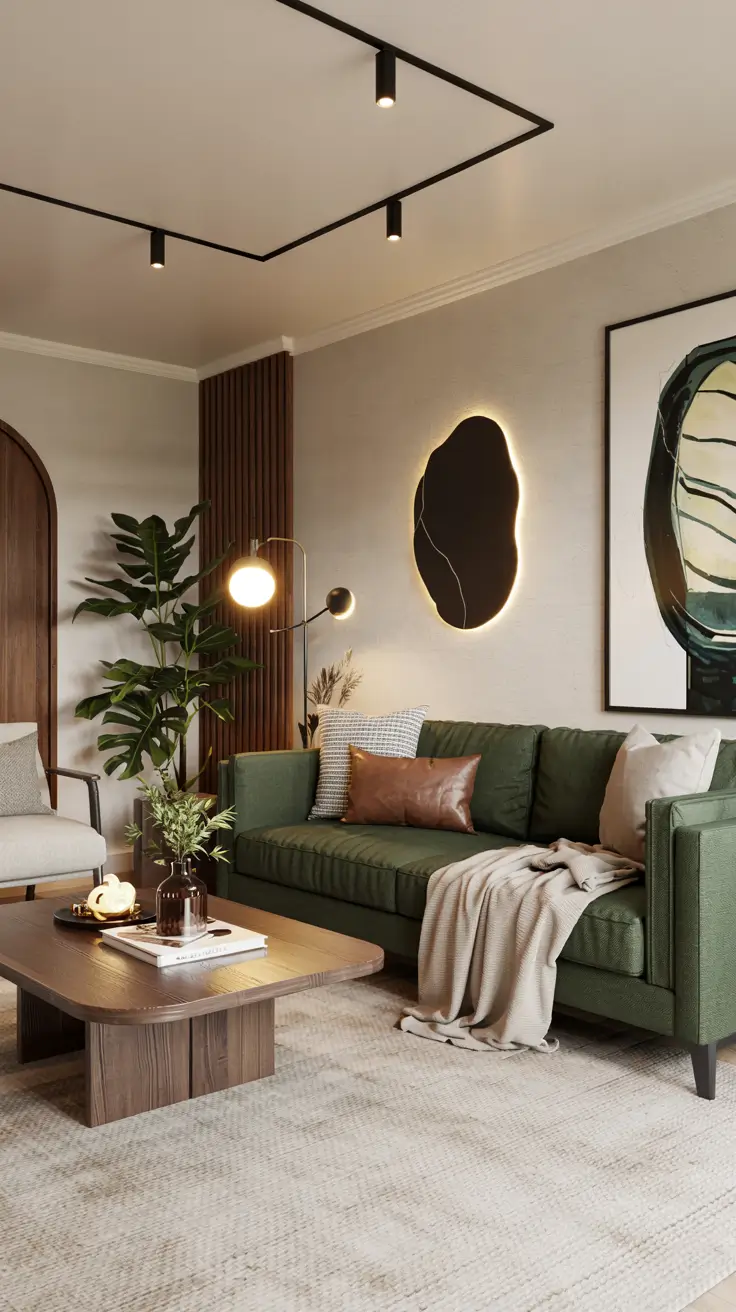
For a deep green sofa, I often bring in wooden pieces to keep the design natural and timeless. A wood coffee table, a warm toned side table, and a textured carpet help the green feel cozy rather than formal. If you want a curved shape, deep green looks incredible in a curved silhouette because it feels sculptural. I also like pairing deep green with brass or black accents in lighting, which adds a modern edge. If you are building living room sofas ideas around this, I suggest using cream, beige, or soft grey on walls and rugs, then adding a few blue accents for depth.
My practical tip is to treat deep green like a neutral that still has personality. Many designers talk about using nature inspired colors to make a home feel restful, and deep green does that without being boring. In my experience, deep green is also forgiving with daily wear because it hides small marks better than very light colors. If you are worried about it feeling too dark, use a lighter rug and keep window treatments airy. It is also one of the best colors for mixing because it pairs well with tan leather, black metal, and warm woods.
What I would add here is a clear plan for textiles: at least two pillow textures and one throw texture so the green looks layered. I would also add one large piece of art that includes a hint of green so the sofa feels integrated. If the layout includes living room two sofas, I would keep the second sofa in a light neutral to balance the weight of deep green. For shelves above, I would add a mix of books, ceramic, and one plant to echo the natural theme. Finally, I would include a warm lighting temperature to keep the green inviting in the evening.
25. Black Sofas In Living Room Sleek And Modern Arrangements
A black sofa can look incredibly modern when the room has good contrast and texture. In 2026 interiors, I see black sofas used in clean lined spaces, industrial lofts, and even cozy rooms that need grounding. Black works best when you avoid making everything else dark, otherwise the room can feel flat. I like black in rooms with white or light walls, or in spaces with big windows and strong daylight. It can also be a smart choice for high traffic homes because it is practical.
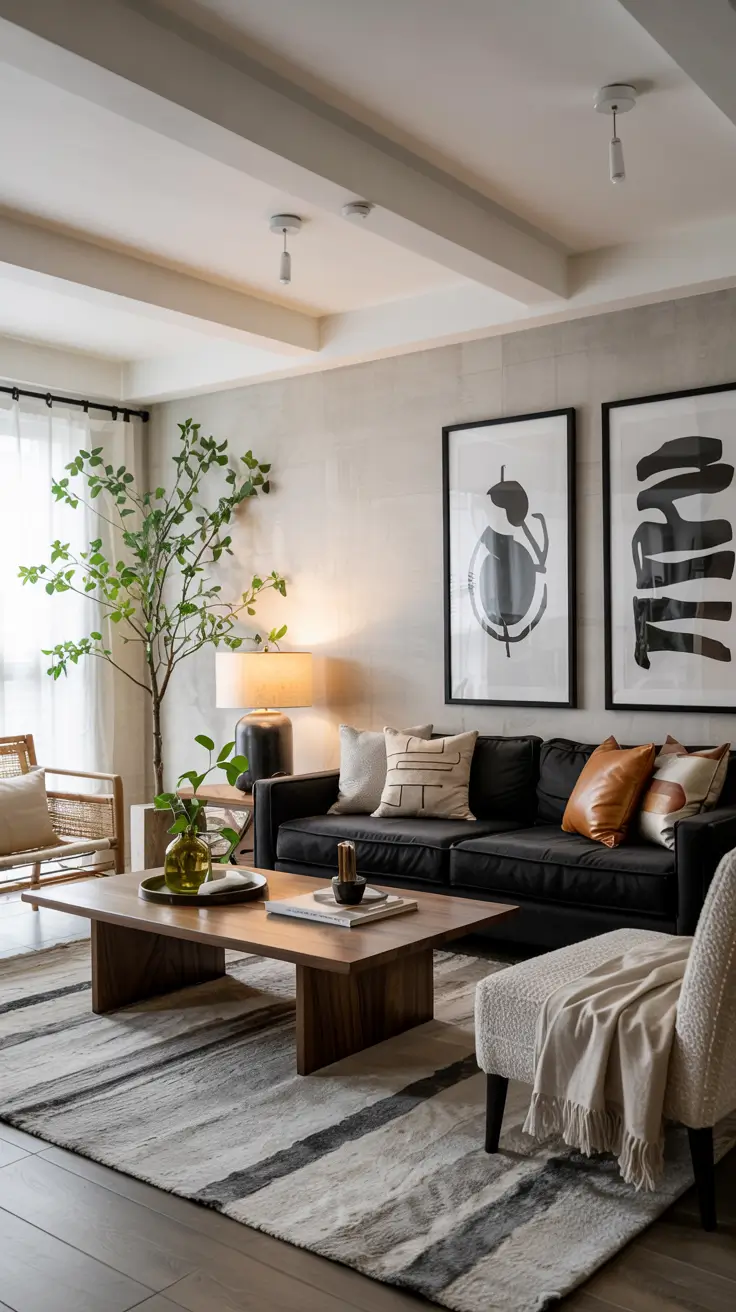
When I design around a black sofa, I add texture first so the room does not feel harsh. A thick carpet, a boucle chair, or linen curtains can soften the look immediately. If you choose leather, black leather feels sharp and tailored, while a fabric black sofa feels warmer and more relaxed. I often include wooden elements like a walnut coffee table or oak shelving to keep the room balanced. For color, I add light blue accents or deep green accents sparingly, and I keep the rest of the palette neutral so the black stays intentional.
In my experience, black sofas look best when you define the seating zone clearly with a rug that is large enough. Designers often stress the importance of proportion and negative space in modern rooms, and that matters a lot here. I also like using black as part of a repeating pattern, like black frames, a black lamp base, and a black detail in art. This repetition makes the sofa look like a deliberate choice, not a heavy object dropped into the room. If the room feels too stark, adding warm lighting and a few natural textures fixes it quickly.
What I would add to this type of room is a lighting plan that includes at least three sources, like overhead, floor lamp, and table lamp. I would also add one warm accent tone, such as caramel or cream, to prevent the room from feeling cold. If you want living room different color sofas, I would keep the second sofa light and textured, like cream fabric, to contrast the black. If there is a dining table nearby, I would repeat the black in chair frames or a pendant to connect zones. Finally, I would add greenery because plants look striking against black and make the room feel alive.
26. Facing Sofas Layout Ideas For Conversation Friendly Living Rooms
Facing sofas is one of the most effective sofas in living room layout strategies when you want a room that supports real conversation. In 2026, I see this layout used in both open plan homes and apartment living rooms because it creates an intentional seating area. It is especially helpful when the room feels long or awkward, since two sofas can visually square off the space. I like this approach when the goal is hosting, family time, or creating a living room that feels like a lounge. The biggest decision is where the focal point goes, because facing sofas can either center a fireplace or a coffee table.
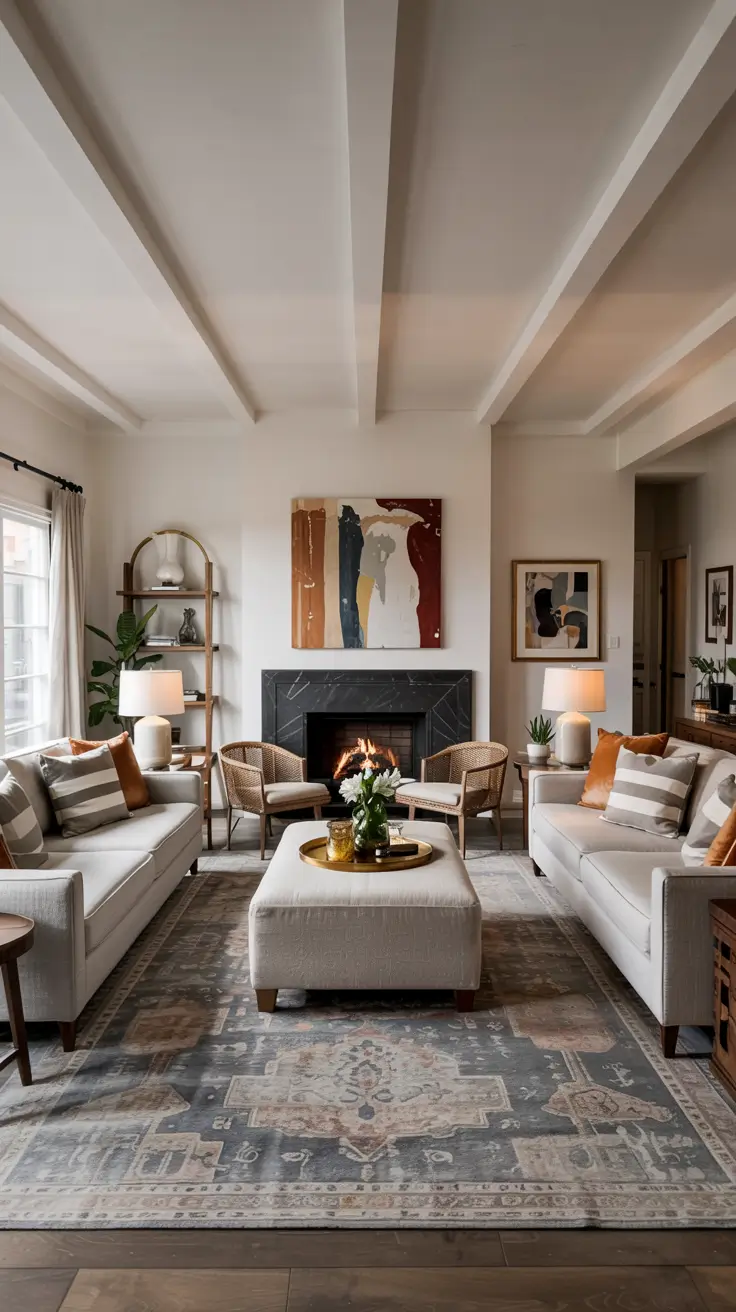
To make it work, I keep a strong central anchor like a coffee table or ottoman, and I make sure there is comfortable walking space around it. Living room two sofas works best when both sofas are similar in scale, even if they are different colors. If you are mixing, I like a neutral base sofa plus a second sofa in a complementary tone, like grey and caramel, or cream and light blue. Chairs instead can also help if you do not have space for two full sofas, but I still try to keep the face to face arrangement. I use a large rug to connect the two sofas and prevent the layout from feeling like two separate zones.
My personal opinion is that facing sofas is the most social layout you can choose, and it often makes a room feel more expensive because it looks curated. Many design sources emphasize arranging seating so people can talk comfortably without twisting, and this layout naturally supports that. I also find it helps reduce screen dominance, because the focus becomes the center of the seating area rather than the TV. If the TV must be included, I like placing it off to the side or using a low profile media unit so it does not take over. This layout is also great for adding shelves above one sofa, because it frames the seating area and adds storage.
What I would add is a clear measurement plan so you keep enough clearance for pathways. I would also add a side table on each side, because conversation layouts need places for drinks and lamps. If the room has a fireplace, I would center the arrangement on it and keep the coffee table aligned with the hearth. If the room has a TV, I would add a swivel chair or a flexible ottoman so the space can shift from conversation to viewing. Finally, I would add layered textiles on both sofas so the room looks balanced from every angle.
27. Grey Sofas In Living Room Colour Coordination And Decor Tips
Grey remains one of the most adaptable choices for sofas in living rooms, and in 2026 it is still a strong base for many styles. I like grey because it can read modern, cozy, or classic depending on the materials around it. Grey couch living room ideas color schemes gray sofas work well when you want a calm foundation and the freedom to change accents. The secret is choosing the right undertone, because a cool grey feels crisp while a warm grey feels softer. I always check grey fabric samples in the actual room lighting before committing.
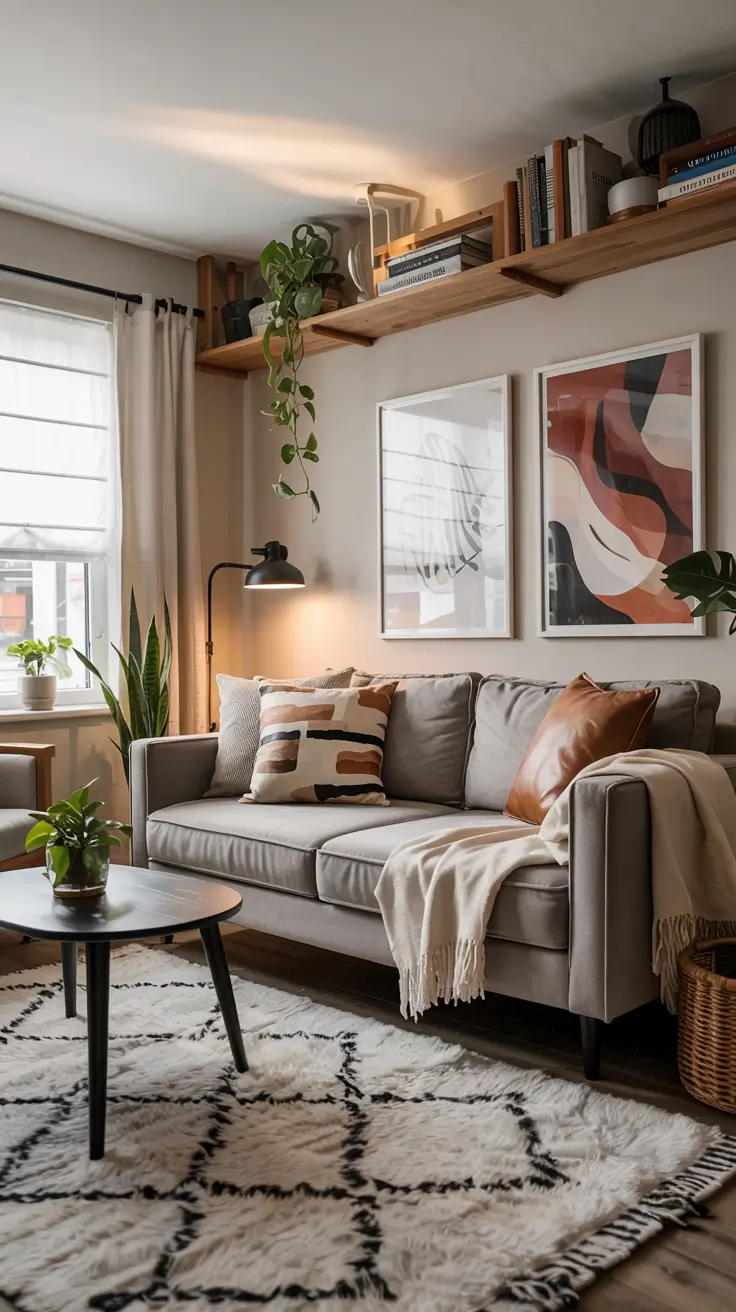
To style a grey sofa, I build contrast with texture and a mix of warm and cool elements. A cream rug or carpet adds softness, while black accents add definition and keep the grey from looking dull. Wooden tables and shelves above the sofa add warmth, especially if the flooring is also wood. For color, I like light blue accents for freshness, deep green for depth, and orange in small doses for energy. If you want living room different color sofas, I often pair grey with caramel or cream so the second sofa feels intentional and not too loud.
From my experience, the most common mistake with grey is making everything else grey too. Designers often talk about adding contrast and layered neutrals, and that is exactly what keeps grey interesting. I also like using art with warmer tones to prevent the room from feeling cold. If you want a minimalist look, I keep lines clean and add only a few high impact accessories, like a large plant and one sculptural lamp. Grey also performs well in small rooms because it does not visually crowd the space the way very dark colors can.
What I would add is a simple palette rule: two neutrals, one wood tone, and one accent color. I would also add at least one statement texture, like boucle pillows or a chunky knit throw, so the grey feels inviting. If you have a fireplace and TV, I would plan the grey sofa placement so sightlines are comfortable and not cramped. For shelves above, I would add a mix of books and ceramics with one accent color repeated twice. Finally, I would add one warm metal, like brass, to keep the grey from feeling too flat.
28. Mixing Different Sofas In One Living Room Without Clashing
Mixing sofas can look amazing in 2026, especially when you treat it like a design system instead of a random collection. I often use this approach when a room needs flexibility, or when the layout has multiple zones. Living room sofas ideas that include 2 different sofas can make a space feel more personal and layered. The key is to keep one consistent element across both pieces, such as similar leg style, similar height, or a shared fabric texture. When done well, mixing reads intentional and modern.
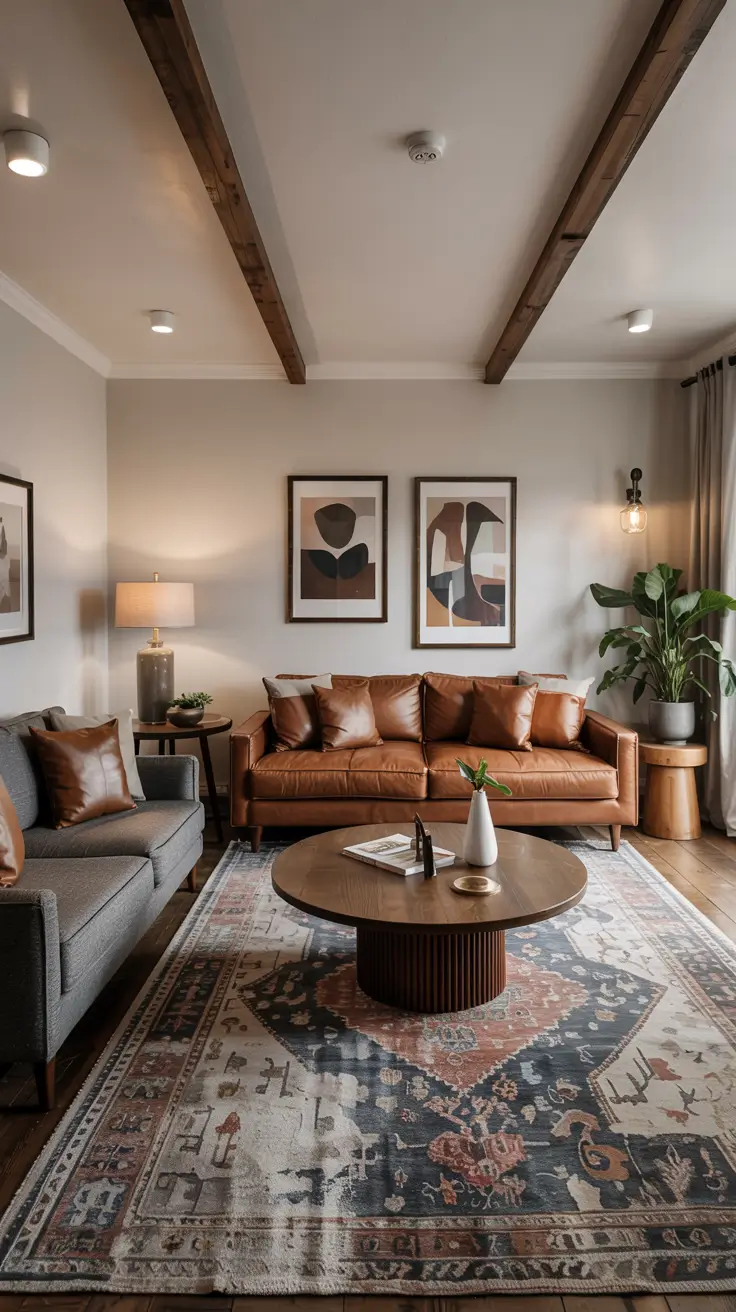
I start by deciding which sofa is the anchor, then I choose the second sofa to support it. For example, a grey sofa can pair with a caramel colored couch living rooms sofas choice, or a cream sofa can pair with deep green. Living room different color sofas works best when you repeat both colors elsewhere, like in pillows, art, or a rug pattern. I also pay attention to shape, because mixing a curved sofa with a very boxy sofa can work, but only if the room has enough space and balance. If you have multiple seating pieces, I keep the coffee table and rug consistent to unify everything.
In my own work, I like mixing when the room has architectural interest, like a loft or a space with tall windows. Designers often recommend limiting the number of competing patterns and letting one element lead, and that matters a lot when sofas are different. I also find it helps to keep the wood tone consistent across side tables and shelving so the room feels cohesive. If you want leather plus fabric, I usually choose leather in brown or black and keep the fabric more neutral. This combination feels classic and ages well.
What I would add is a clear palette plan before shopping, including paint, rug, and curtain decisions. I would also add a spacing plan so the seating does not feel crowded, especially in smaller rooms. If the layout includes a dining table nearby, I would connect the mixed sofas to the dining zone with matching metals or wood tones. For shelves above, I would add decor that repeats both sofa colors so the wall ties the pieces together. Finally, I would add at least one unifying textile, like a throw that includes both tones, to make the mix feel effortless.
29. Blue Sofas In Living Room Fresh And Timeless Design Ideas
Blue sofas feel especially relevant in 2026 because they bring color without being overwhelming. I like blue because it can be calm, classic, or bold depending on the shade and material. It works in modern spaces, coastal inspired rooms, and even industrial settings when paired with the right textures. Blue also plays well with natural light, often looking brighter during the day and deeper at night. If someone wants color but not a loud statement, blue is usually my first recommendation.
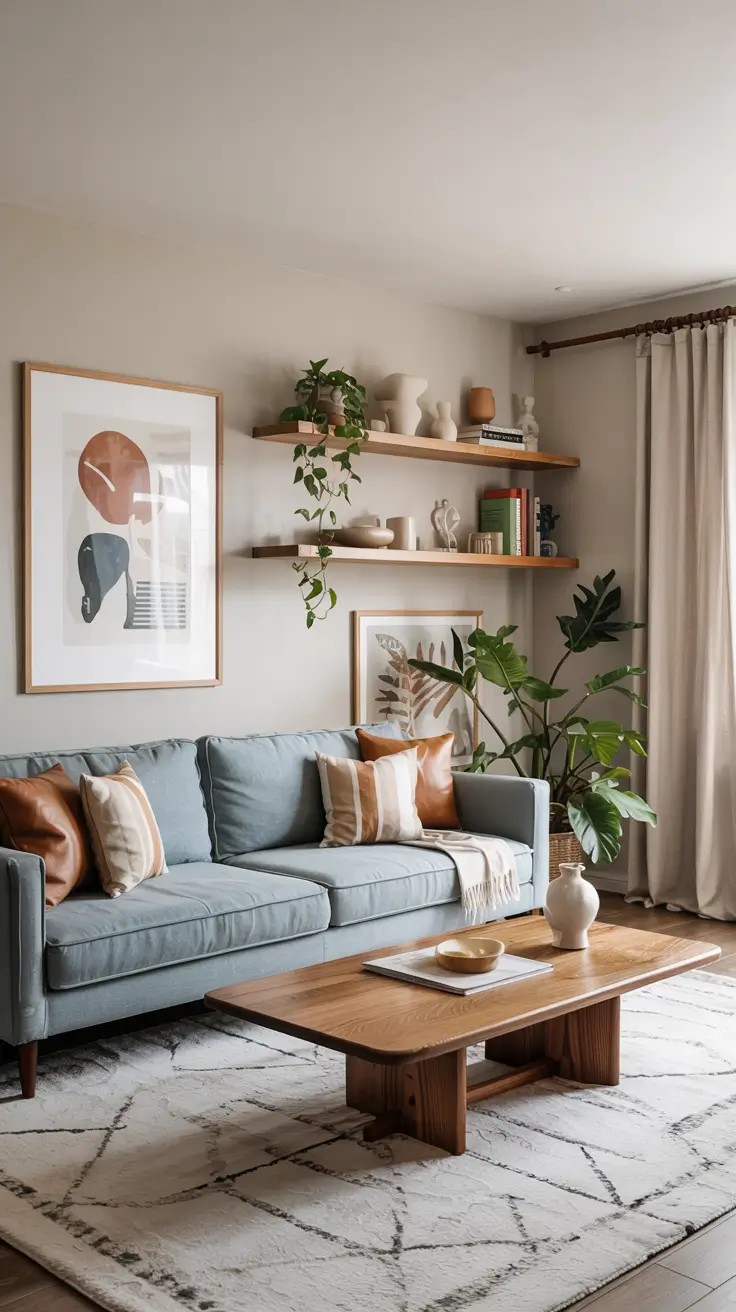
When styling a blue sofa, I consider what kind of blue it is. A light blue sofa pairs well with warm woods, cream walls, and soft neutral carpets, creating a relaxed look. A deeper blue can handle black accents, brass lighting, and strong contrast. For color combinations for light blue, I like cream, tan, and a small touch of orange, which adds warmth without clashing. If you are using living room two sofas, a blue sofa can pair nicely with a grey sofa or a cream sofa, and the rug can bridge both colors. I also like adding shelves above the sofa with a few ceramics and books that include blue tones.
My advice is to treat blue like a long term color that does not need constant updating. Many designers see blues as timeless because they sit comfortably between neutral and statement, and I agree with that. In my experience, blue sofas look best when you avoid matching everything exactly and instead vary shades and textures. A blue velvet sofa with linen curtains and a woven rug feels balanced and modern. If you worry about the room feeling cold, add warm lighting and wood tones, and the blue will feel cozy instead of crisp.
What I would add is a plan for accent repetition, like two pillow colors and one art color that ties into the blue. I would also add at least one natural element, like a plant or a woven basket, to soften the look. If the room is small, I would choose slimmer arms and raised legs so the blue does not feel bulky. If the room has a fireplace and TV, I would align the sofa so the seating supports both functions comfortably. Finally, I would add one contrasting material, like a black metal floor lamp or a brass sconce, to make the blue look intentional.
30. Shelves Above The Sofa Living Room Styling And Storage Ideas
Shelves above a sofa can transform a blank wall into something useful and visually balanced. In 2026 living rooms, I see shelves used for both storage and styling, especially in apartments where every wall needs to work harder. This idea is practical because it adds vertical function without taking floor space. The main goal is making sure the shelves relate to the sofa size, so the wall does not look top heavy or too sparse. I prefer shelves that span at least two thirds of the sofa width for a proportion that feels natural.
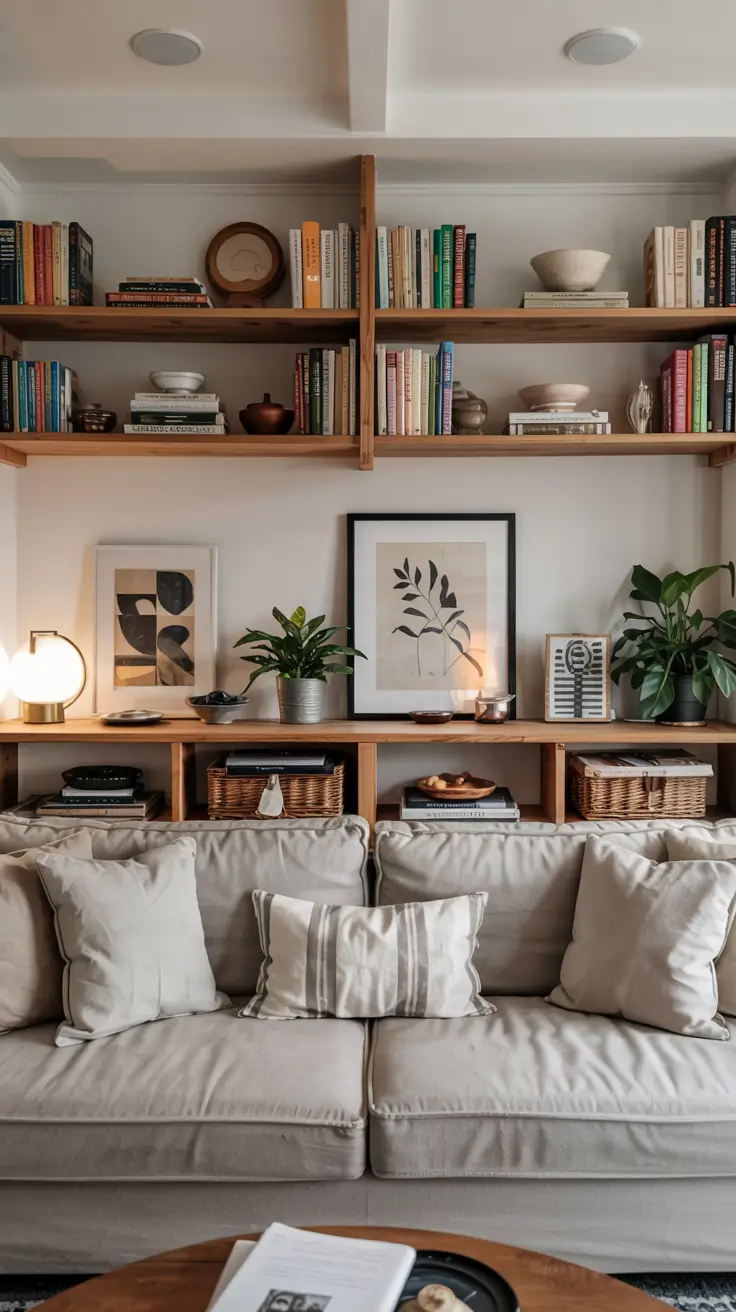
For the design, I like wooden shelves for warmth, or black metal brackets for a modern edge, depending on the room style. I keep styling simple with a mix of books, ceramics, framed art, and one plant, and I vary height so it feels curated. If the sofa is a strong color like orange, deep green, or blue, I keep shelf decor more neutral and repeat the sofa color subtly in one or two items. For grey or black sofas, shelves can handle more contrast and pattern because the base is calm. If you want more storage, I add baskets on a lower shelf, which looks tidy and keeps clutter out of sight.
In my experience, shelves look best when you leave some empty space and do not fill every inch. Many stylists recommend grouping objects in odd numbers and mixing materials, and that creates a natural rhythm on shelves. I also like adding a small lamp or picture light nearby because it makes the shelf wall feel intentional at night. If you have a small living room, shelves above can replace bulky cabinets and still give you display space. This is one of the most effective upgrades for a rental friendly living room, as long as you plan the layout carefully.
What I would add is a clear rule for shelf depth and safety, so nothing feels like it could fall behind the sofa. I would also add an anchoring element on the wall, like one larger artwork or a framed print, to keep the arrangement from looking like scattered objects. If your layout includes a sectional or corner sofas ideas living room couch planning, I would align shelves with the longest seating wall to keep the room visually calm. I would also include a color plan so shelf decor connects to the rug, pillows, and curtains. Finally, I would add a small concealed storage option, like a lidded box, for everyday items that would otherwise clutter the coffee table.