Living rooms are changing fast in 2026, and I keep seeing homeowners ask the same things: how do I make it feel modern without losing comfort, and how do I do it without overspending? In this guide, I will share living room renovation ideas modern upgrades, living room renovation ideas on a budget moves, and practical details that make the space look finished instead of patched together. You will also see what works for apartments, split level layouts, older homes, and open plan kitchen spaces, plus a few tips I rely on when I want results that last.
I will walk through seven real-world directions, from contemporary layouts to rustic farmhouse warmth, and I will point out the furniture, lighting, and materials that make each idea work. Along the way, I will include renovation ideas for small living room planning, living room renovation ideas before after thinking, and a few smart shortcuts I have used when budgets are tight but expectations are high.
1. Modern Living Room Renovation Ideas For 2026 Homes
In 2026, I define modern as clean lines, fewer visual breaks, and a layout that supports how people actually live, including streaming, reading, and casual hosting. I start by simplifying the room’s geometry, especially if the home has a split foyer or split level entry that creates awkward sightlines. I like a calm palette with warm neutrals, then I add contrast through texture rather than loud color. I also plan lighting early because modern rooms fall flat when they rely only on one overhead fixture. If the living room connects to an open plan kitchen, I design the two areas to feel related, not identical, using repeating materials and consistent metal finishes.
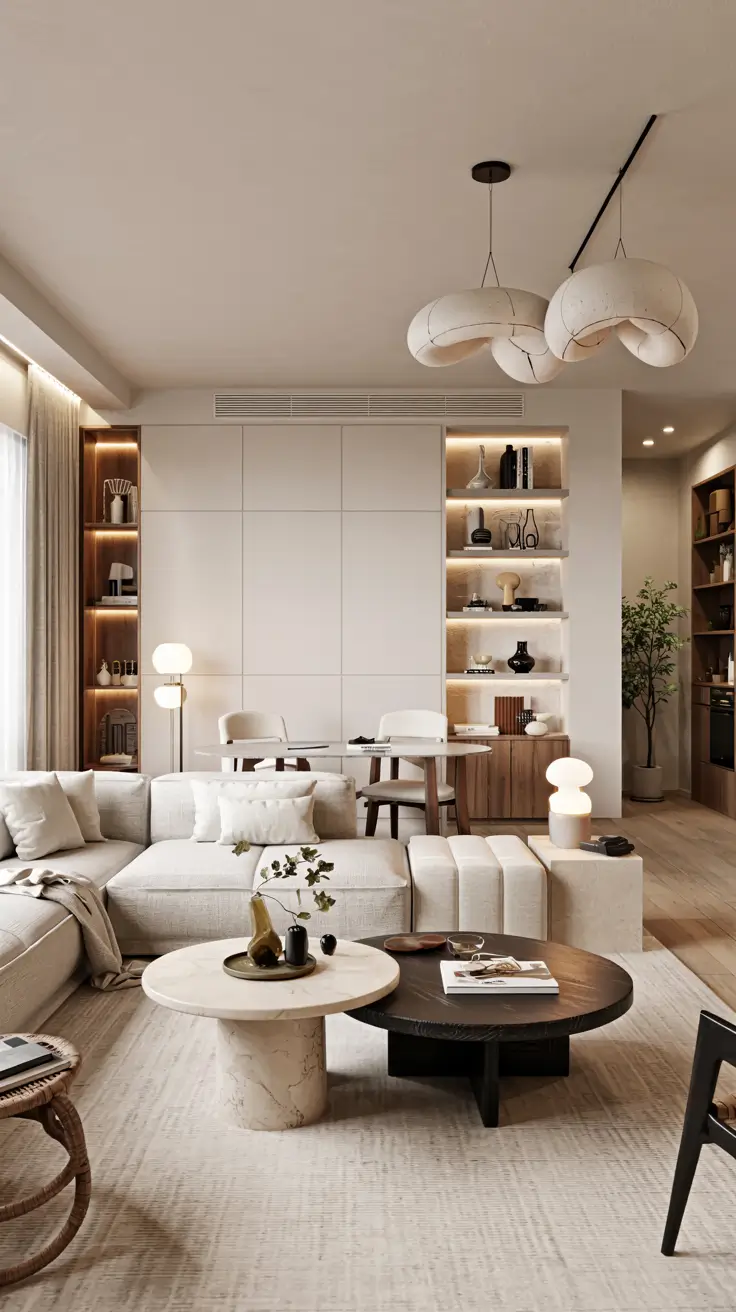
For furniture, I usually anchor the space with a low-profile sectional or a tailored sofa with slim arms to keep pathways open. A large area rug with subtle patterning helps define the seating zone, which is especially important in open concept kitchen dining living room renovation ideas where rooms blend together. I prefer a modular coffee table or nesting tables because they adapt to daily life, and I add a closed media console to hide clutter. For storage, I like a wall of built-ins with a mix of open shelves and closed cabinets so decor can breathe without turning into visual noise. I finish with layered window treatments, often a light-filtering shade plus side panels, because it softens modern angles without looking traditional.
From my experience, the most successful modern renovations focus on proportion and negative space, not trendy objects. When I want a modern room to feel warm, I add one strong natural element, like oak slats, a limestone-look surface, or a large linen sofa, and then I keep everything else restrained. A tip I rely on is to choose lighting with good color quality so finishes look true at night, since modern interiors can look harsh under poor bulbs. I also like to include one piece with a sculptural silhouette, such as a curved lounge chair, because it keeps the room from feeling boxy. If the home is a mobile home or a newer build with thinner walls, I plan softer surfaces like rugs, drapery, and upholstered seating to help with acoustics.
To complete this section, I would add a simple checklist for spacing, like minimum walking clearances around the sofa and coffee table, plus a quick guide to choosing the right rug size. I would also include a note on planning outlets and charging zones, because modern living often means more devices. If the room has a step down condition, I would add a small safety plan for lighting the transition and selecting a rug that does not curl at the edge. Finally, I would add a short list of finish combinations that read modern in 2026, such as light oak with matte black and soft stone.
2. Living Room Renovation Ideas On A Budget That Look High End
When I work with a tight budget, I focus on changes that improve the room’s “bones” first, because that is what reads expensive. I start with paint, trim refresh, and better lighting, since those updates transform the mood without requiring a full remodel. I also correct common layout problems, like undersized rugs and furniture that blocks circulation, because a better plan can feel like a renovation on its own. For living room renovation ideas budget decisions, I prioritize surfaces you touch and see up close, like hardware, lamp shades, and textiles. I also keep a close eye on sheen levels, because budget materials look more refined when the gloss is controlled.
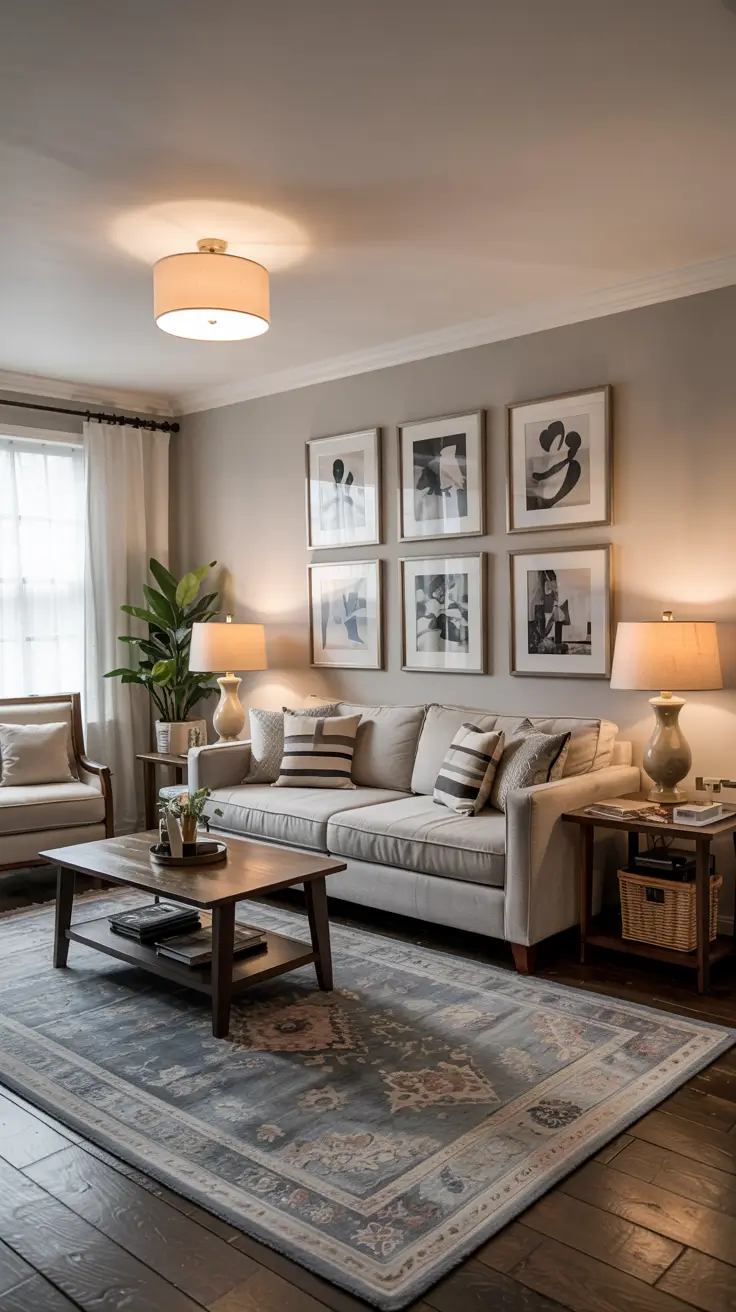
My favorite high-impact list includes a large rug, updated ceiling light, two layered table lamps, and a set of curtains mounted high and wide to make windows feel larger. I often choose an affordable sofa with a good frame and upgrade the look using better cushion inserts, a tailored throw, and two substantial pillows. If the room connects to the kitchen, I keep the finishes coordinated by repeating one metal, like brushed nickel, in both spaces. For walls, I like simple picture ledges or a grouped gallery with matching frames, because it gives architecture without construction. If the home is an apartment, I use removable solutions like plug-in sconces and peel-and-stick wall treatments that still look polished.
In my own projects, I treat budget work like editing, where I remove what looks cheap before I add what looks special. A common before and after win is replacing a cluttered set of small decor items with fewer, larger pieces that feel intentional. I also keep a rule of three for materials, like wood, metal, and textile, so the room feels cohesive rather than mixed. I have learned that “high end” is often about consistency, like matching bulb temperatures, matching frame finishes, and keeping furniture legs in the same general visual weight. If you can only splurge once, I recommend doing it on the rug or sofa, because that is where the eye lands first.
To round out this section, I would add a sample shopping plan that breaks the budget into categories, like lighting, soft goods, and one anchor piece. I would also add guidance on what not to cheap out on, such as overly thin rugs and flimsy curtain rods. If the room is in an RV or mobile home, I would add tips for lightweight decor and secure mounting so upgrades stay in place. Finally, I would include a quick refresh timeline that shows what to do first for the fastest visible improvement.
3. Indian Living Room Renovation Ideas With Cultural Character
For living room renovation ideas indian style in 2026, I aim for cultural character that feels curated, not themed. I start by choosing one or two heritage cues, like carved wood, cane, brass, or a regional textile, and then I balance them with simpler modern shapes. This approach works well in contemporary apartments as well as larger family homes because it keeps the room from feeling heavy. I like to use warm neutral walls to support richer accents, such as deep terracotta, indigo, or olive, while still keeping the space bright. If the layout is open to the kitchen, I plan the palette so the living space feels connected without repeating every motif.
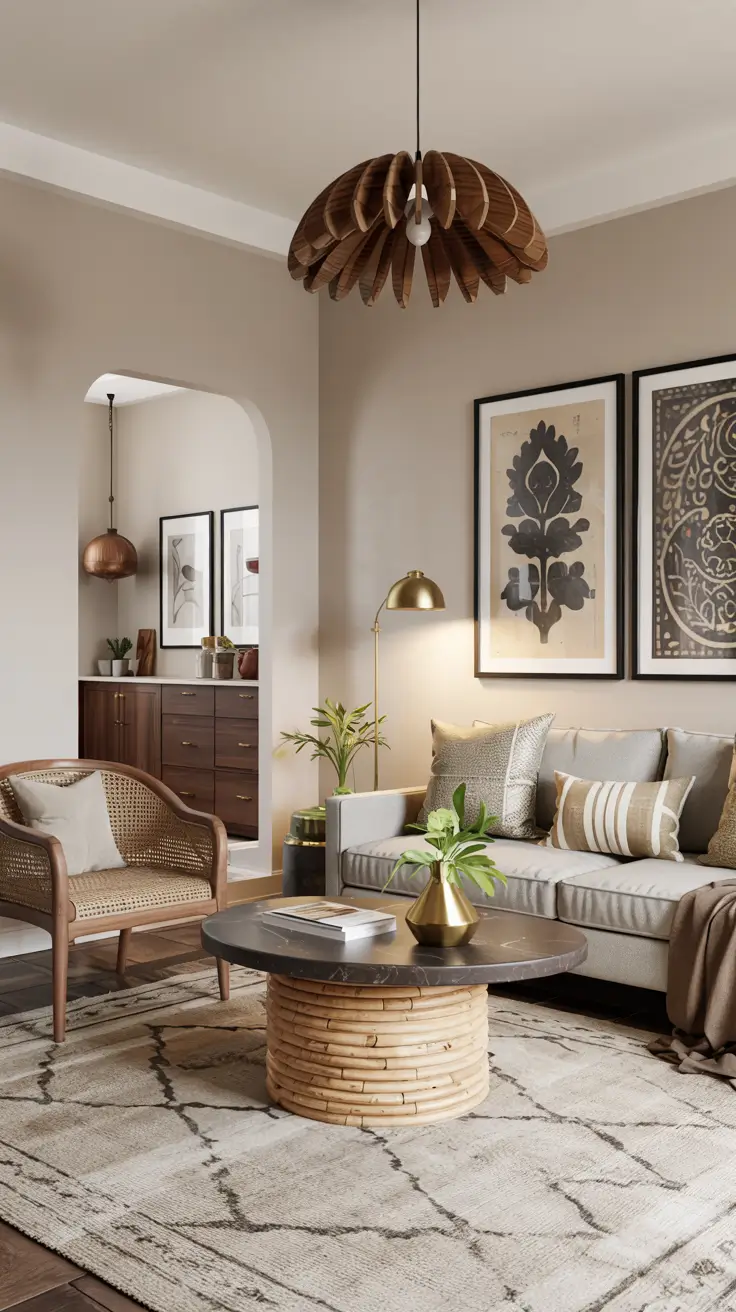
Furniture choices matter a lot here, and I prefer a comfortable sofa paired with one or two accent seats that bring personality, like a cane chair or a low wooden lounge chair with upholstered cushions. A solid coffee table in sheesham-toned wood or a stone-top table can become the center, and I keep the styling minimal so the material reads clearly. I often add a patterned rug that references Indian geometry, but I keep the scale large to avoid visual busyness. For lighting, I love a modern pendant combined with a brass floor lamp, plus soft ambient light that flatters warm materials. Wall decor can be a large framed textile, a calm block print, or a single statement artwork, instead of many small items.
In my experience, the key is contrast, where handcrafted textures sit next to clean-lined storage and modern lighting. I have seen the best living room renovation ideas before after transformations when people keep the cultural elements meaningful, like heirloom pieces, and edit everything else around them. I also recommend controlling shine, because too much glossy gold can feel dated, while brushed brass and aged finishes feel current. If you want a quick cultural upgrade, I suggest swapping generic cushions for high-quality covers and adding one strong handcrafted piece, like a carved console or a woven basket set. This is the kind of room that feels welcoming for daily life and still special when guests visit.
To strengthen this section, I would add a short guide to mixing patterns, such as limiting the palette and varying scale between rug, cushions, and art. I would also add advice on selecting wood tones so the room does not feel mismatched, especially in open concept kitchen dining areas. If the home is small, I would include tips for using fewer, larger accents instead of many small decor pieces. Finally, I would add suggestions for storage that hides everyday items while keeping one or two cultural displays visible.
4. Simple Living Room Renovation Ideas For Everyday Comfort
A simple renovation is not basic, it is intentional, and in 2026 I see more people choosing calm spaces that support rest. I start by making the layout easy, with a clear path from entry to seating and enough surface space for daily habits like coffee, books, and charging devices. This idea works especially well for families and for smaller homes where clutter builds quickly. I keep the palette light and warm, then I add interest with texture, like boucle, linen, and wood grain. If the home has a split foyer or an awkward corner, I treat that spot as a functional zone, like a reading nook or a small desk.
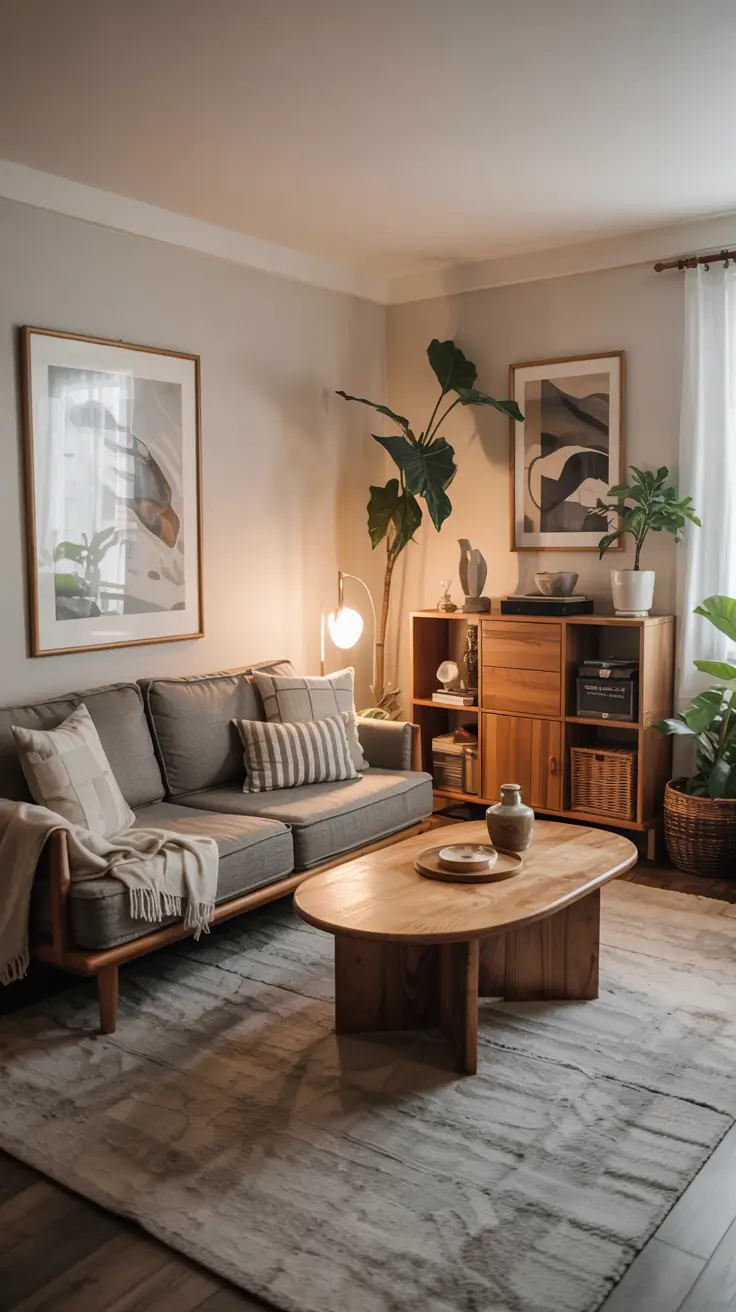
For furniture, I keep it comfortable and practical, with a sofa that has washable or durable fabric and a coffee table that can handle real use. I like a pair of matching side tables to make the room feel balanced, and I always include at least two light sources besides overhead, such as a floor lamp and a table lamp. Storage is part of comfort, so I add a low cabinet, baskets, or a bookcase with doors on the bottom to hide the messy stuff. Decor stays minimal, often one large art piece, a plant, and a few books, because too many objects make a simple room feel stressful. If the space is an apartment, I use flexible pieces like an ottoman that can move and serve as extra seating.
From my perspective, simple renovations succeed when the choices support everyday routines, not magazine moments. I often see living room renovation ideas before after results improve dramatically when people right-size their rug and replace harsh lighting, even if nothing else changes. I also suggest choosing one soft “hero” element, like a deep sofa or a thick rug, because it sets the comfort level for the entire room. If you want the room to stay tidy, I recommend giving every category of item a home, like remotes, chargers, and throw blankets. Simplicity is easier to maintain when storage is built into the plan, not added later.
To complete this section, I would add a short list of durable materials that still look refined, such as performance fabric, wool blend rugs, and matte finishes. I would also add a small routine-based checklist, like where to place lighting for reading and where to place surfaces for drinks. If the room is part of an open plan kitchen, I would add a note about how to control visual clutter from the kitchen side, like closed storage and consistent containers. Finally, I would include a quick layout example for a rectangular room to show how to keep it open and comfortable.
5. Renovation Ideas For Small Living Room Spaces
When I plan renovation ideas for small living room spaces, I focus on optical expansion and smart function rather than trying to force big furniture into a tight footprint. I start by defining one clear seating zone and making sure the walkway is not blocked, because cramped circulation makes a room feel even smaller. I also use vertical space, like tall curtains and higher shelving, to draw the eye up and reduce the sense of crowding. Light plays a huge role, so I avoid heavy window treatments that steal brightness. If the room is in an apartment or a compact mobile home, I treat every piece as dual-purpose.
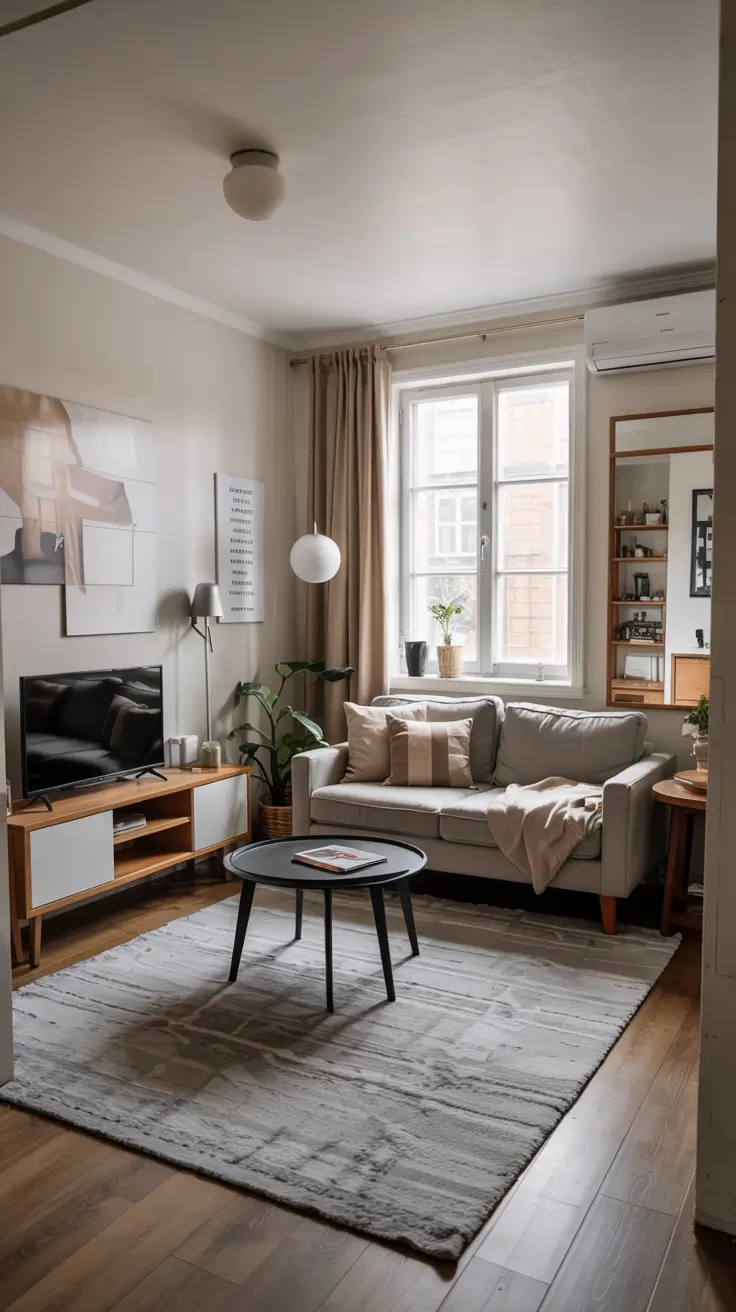
For furniture, I like a compact sofa with exposed legs, a round or oval coffee table, and one accent chair that can tuck in when needed. I prefer nesting tables over a bulky side table set because they adapt to guests and then disappear. Storage is usually a wall-mounted media unit or a slim console that keeps the floor visible, which helps the room feel larger. Mirrors can be helpful, but I place them intentionally to reflect a window or a nice view, not clutter. In open concept kitchen dining living room renovation ideas, I separate zones with a rug and lighting rather than with heavy furniture, and I keep sightlines open to the kitchen.
In my experience, the biggest small-room mistake is using too many little items, which creates visual noise and makes everything feel smaller. A strong before and after improvement often comes from swapping multiple small art pieces for one larger artwork and choosing a larger rug that anchors the room. I also recommend choosing a cohesive palette, because frequent color changes across walls and decor chop up the space. If you live in a split level home and the living room is near stairs, I keep the furniture low so the room feels connected rather than boxed in. Small rooms can feel high-end when the plan is disciplined and the storage is calm.
To build out this section, I would add exact sizing tips, like ideal sofa length ranges for small rooms and recommended clearances around coffee tables. I would also add advice for lighting layers in small rooms, including plug-in options for rentals. If the living room shares space with a kitchen, I would add a note on using bar stools and dining chairs that do not visually fight the living area. Finally, I would include a short list of materials and patterns that read airy, like light oak, woven textures, and low-contrast rugs.
6. Living Room Renovation Ideas Before And After Transformations
I approach living room renovation ideas before after planning like a story, where the “before” problems are clear and the “after” choices solve them. First, I identify the top three issues, which are usually lighting, layout, and clutter, because those are the fastest to change and the easiest to measure. If the home is a 100 year old house renovation ideas living room situation, I also assess what to preserve, like trim profiles, fireplaces, or original flooring, because those features give the renovation integrity. In newer homes, the goal is often to add character, while in older homes the goal is often to make the room function without erasing its history. Either way, I plan the after look around how the room will be used daily, not just how it will photograph.
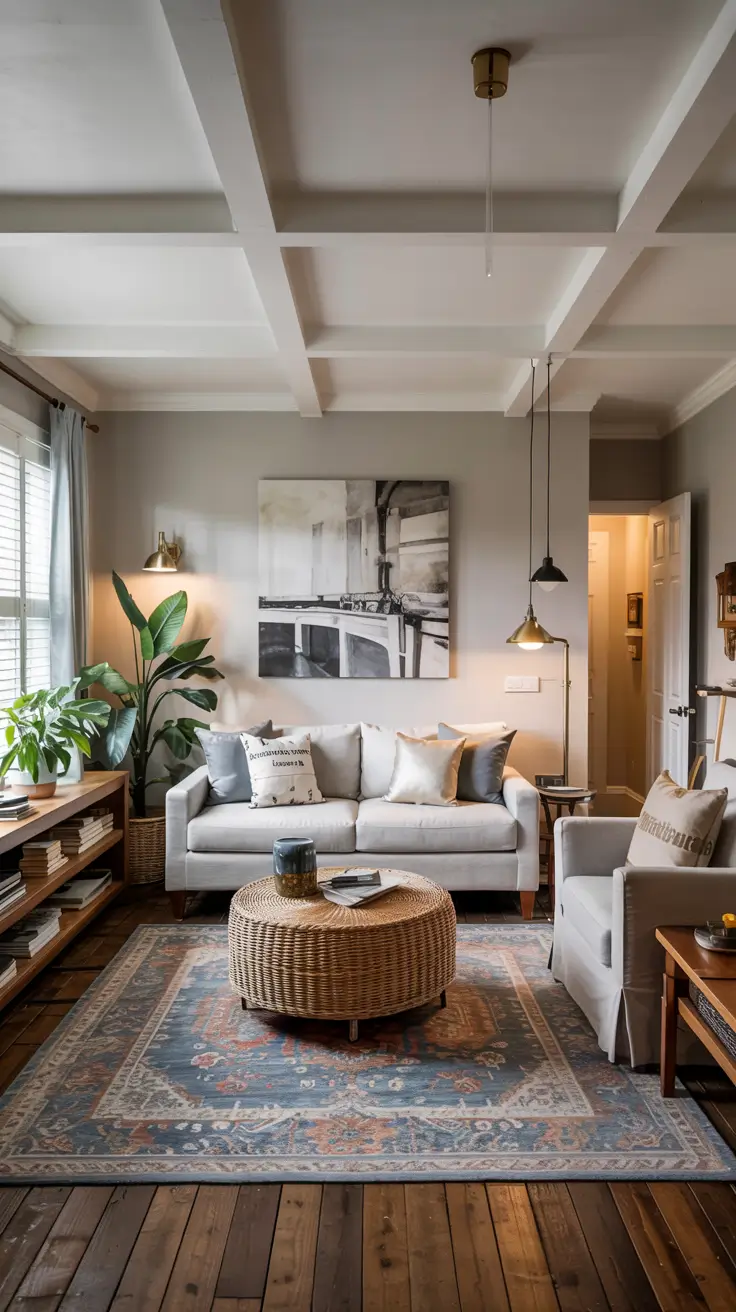
The furniture and design moves that show up strongest in before and after photos are usually scale corrections and lighting upgrades. I like to replace undersized rugs with properly sized ones, center the seating around a focal point, and add side lighting that makes the room feel inviting at night. I often add built-ins or a storage wall because clutter is one of the biggest “before” signals, especially in family rooms. If the space connects to an open plan kitchen, I upgrade the visual boundary with consistent finishes, like matching wood tones or metal accents. In older homes, I sometimes restore or replicate molding, then I balance it with cleaner furniture lines so the result feels current.
From what I have seen, the most satisfying transformations respect the home’s architecture while improving comfort. A rustic farmhouse or country cottage look can be a great “after” when the “before” is bland, but I still keep the palette controlled so it does not feel costume-like. If the living room is part of a barn renovation plan, I lean into volume, beams, and texture, then I use soft seating and rugs to keep it livable. I also recommend documenting your starting point with wide-angle photos and a simple list of goals, because it keeps decisions grounded when you are tired mid-project. Seeing the before clearly makes the after feel earned, not random.
To finish this section, I would add a practical template for planning a transformation, including a budget column, a timeline, and a “must keep” list for older homes. I would also add guidance on staging the after for daily life, like cable management and storage habits. If the room has a step down transition, I would add a safety note on lighting and edge detailing so the “after” is also safer. Finally, I would include a short troubleshooting list for common renovation surprises, like uneven floors in older houses.
7. Rustic Farmhouse Living Room Renovation Ideas With Warm Details
Rustic farmhouse living room renovation ideas work well in 2026 because they emphasize warmth, texture, and comfort, which many people want after years of hard-edged minimalism. I think of rustic farmhouse as a blend of practical country elements and cleaner modern editing, so it looks fresh rather than heavy. This style fits a wide range of homes, from a country cottage to a split level, and it can even be adapted for mobile homes with the right scale. I usually begin with a warm neutral backdrop and layered natural materials like wood, linen, wool, and aged metal. If the living room is part of living room design ideas for barn renovation, I lean into the architectural texture, like beams and plank surfaces, and then I soften it with upholstery.
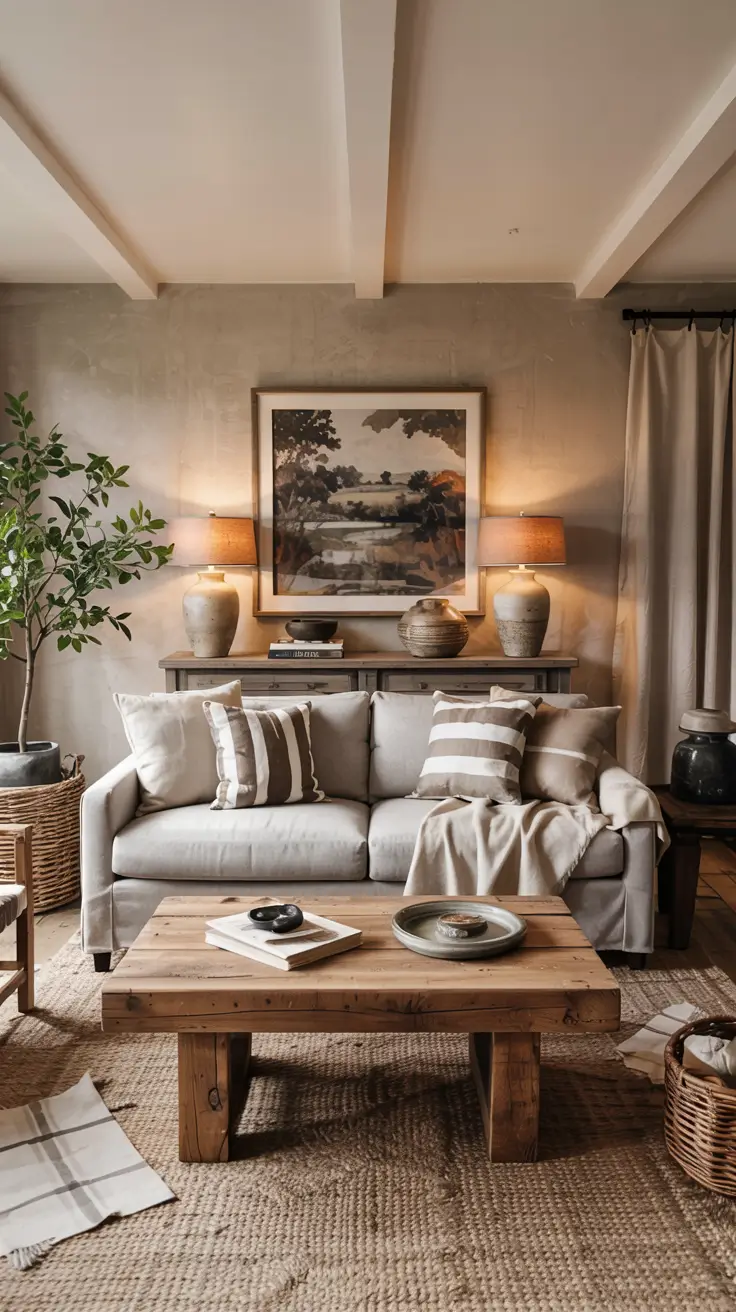
For furniture, I like a comfortable sofa in a durable fabric, a substantial wood coffee table, and one or two accent chairs that can handle daily use. I often include a console table behind the sofa to add lamps and surface space, which helps the room feel finished. Lighting is a signature here, so I use a simple overhead fixture, then I add warm lamps and sometimes a pair of sconces for gentle evening light. I like natural fiber rugs or a vintage-style patterned rug, and I include a mix of closed storage and open shelving for baskets and books. Decor stays grounded, like ceramic vases, framed landscape art, and a few meaningful objects, because too many signs or themed items can make it feel staged.
In my own work, the most successful rustic farmhouse rooms avoid extremes, meaning I do not overdo distressed finishes or overly dark woods. I keep the room modern by choosing clean-lined seating and limiting the number of competing textures. A good before and after here often comes from replacing cold gray paint with warmer tones and upgrading lighting, then adding real wood and textile layers. If the room opens to the kitchen, I repeat a wood tone or metal finish so the whole floor feels cohesive. Rustic can feel calm and elevated when it is edited, and I always aim for that balance.
To strengthen this section, I would add suggestions for mixing rustic with Nordic simplicity for a lighter look, especially in smaller homes. I would also include tips for selecting stain tones so wood elements do not clash, and I would add a note on maintaining natural materials so they age well. If the home has a step down living room, I would include ideas for a subtle railing or lighting detail that fits farmhouse style without looking bulky. Finally, I would add a short list of textiles that instantly create warmth, like linen curtains, wool throws, and textured cushions.
8. Country Cottage Living Room Renovation Ideas With Charm
When I plan a country cottage living room, I start with comfort and soft contrast, not perfection. This style works especially well when you want a cozy update that still feels fresh in 2026. I lean into warm neutrals, gentle patterns, and natural textures so the room looks lived-in, not staged. It is also a smart direction for living room renovation ideas on a budget because you can mix old and new without it looking mismatched. If your home has history, including 100 year old house renovation ideas living room, this approach respects original character while improving function. The goal is charm with better lighting, better seating, and easier movement through the space.
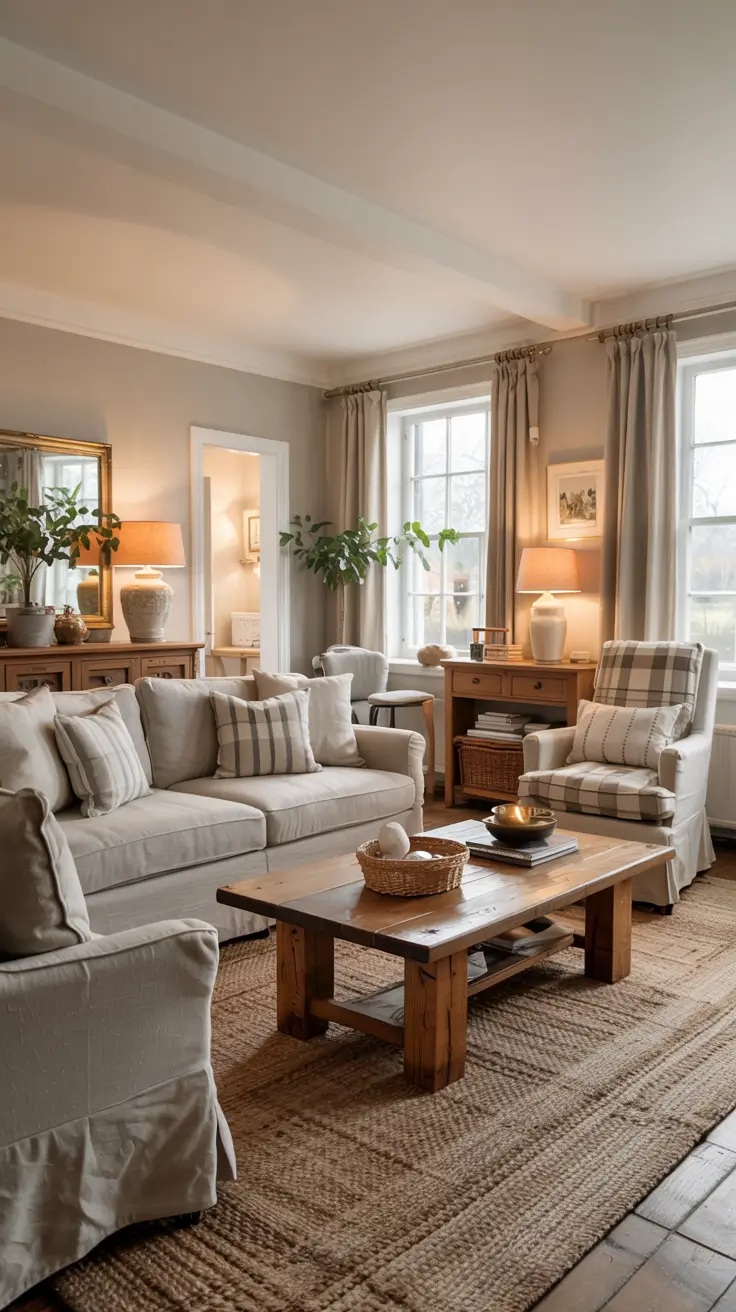
For furniture, I like a deep, slipcovered sofa in a durable cotton or performance fabric, paired with one or two accent chairs in a subtle plaid or stripe. I usually add a solid wood coffee table with rounded edges, because it softens the room and is practical for daily use. Built-in looking storage can be achieved with matching bookcases or a low sideboard, which helps hide clutter without feeling heavy. I also recommend layered lighting: a warm ceiling fixture, a floor lamp near the reading chair, and a table lamp on a console. Textiles matter here, so I include a large wool or jute rug, linen curtains, and a few cushions with mixed textures. If you like rustic farmhouse living room renovation ideas, this is the gentler cousin – less industrial, more relaxed.
In my experience, the fastest way to get cottage charm is to reduce shine and add texture. I often choose eggshell paint, matte hardware, and wood tones that look slightly aged rather than glossy and new. I also take a cue from professional stylists who recommend repeating a few materials throughout a room for cohesion, like wood, linen, and ceramic. If you enjoy living room renovation ideas indian, you can bring in carved wood, cane details, block-printed pillows, or a patterned dhurrie-style rug while keeping the palette calm. That blend keeps the room personal instead of theme-based. The room ends up warm, functional, and easy to update seasonally.
What I would add to complete this section is a small styling plan for surfaces so the room stays tidy. I suggest one tray on the coffee table, one basket for throws, and one dedicated spot for remotes. I would also add a paint shortlist of three warm whites and two muted greens, because color choice is what makes cottage spaces feel calm instead of dull. If there is a fireplace, I would include a simple mantel refresh with a limewash or a soft stone look. Finally, I would add one statement vintage piece, like a refurbished cabinet or a framed landscape, to anchor the charm.
9. Nordic Inspired Living Room Renovation Ideas For Minimal Homes
A Nordic-inspired living room renovation is ideal when you want clarity, light, and calm without the room feeling empty. In 2026, this style is evolving into softer minimalism with warmer wood and more tactile fabrics. I use it often for renovation ideas for small living room because clean lines and controlled contrast make a space feel larger. The priority is visual breathing room, so every piece needs a purpose. This also fits living room renovation ideas budget because you can keep fewer items and invest in better quality basics. Done right, it looks modern, but it still feels welcoming.
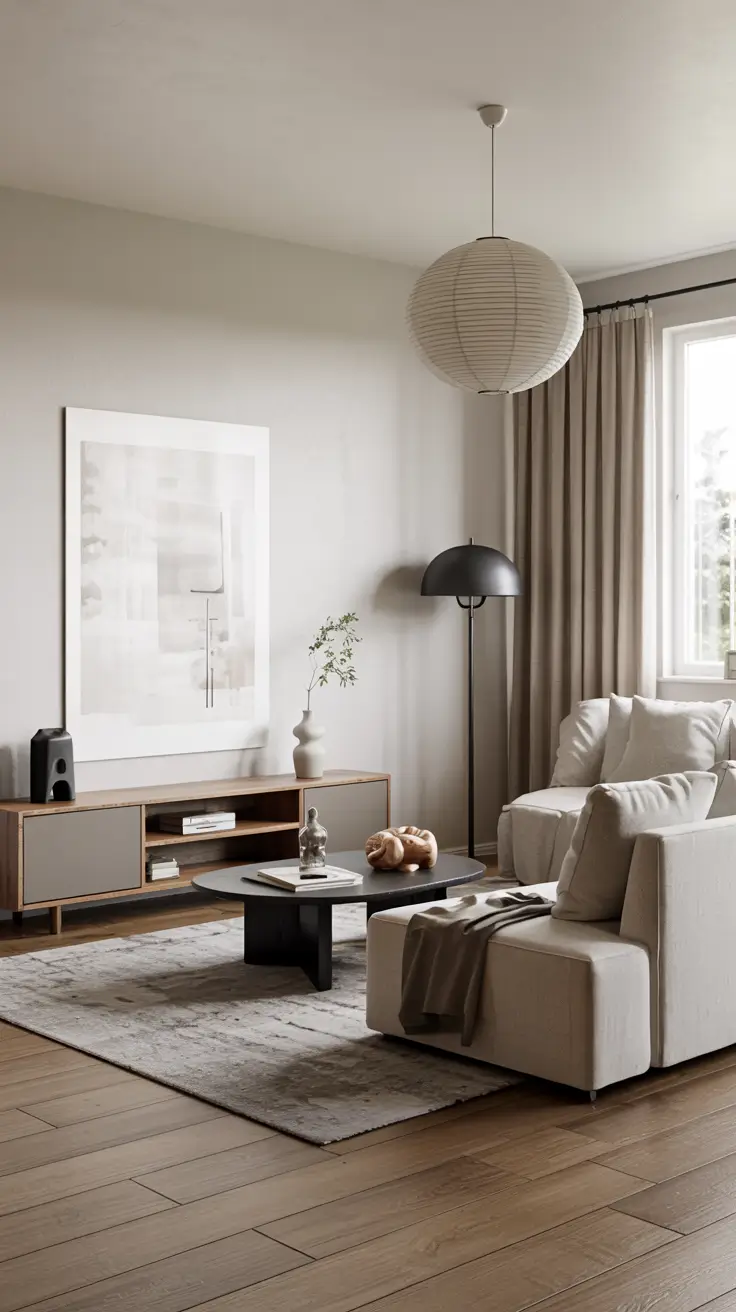
The core pieces I rely on are a low-profile sofa with slim arms, a simple wool rug, and a streamlined media unit that hides cables. I prefer light oak or ash finishes, plus matte black accents in small doses like a lamp stem or table base. Storage is critical, so I include closed cabinets and floating shelves to keep surfaces clear. For lighting, I use a paper lantern pendant or a soft-glow ceiling fixture, then add a reading lamp with an adjustable arm. A single large artwork or a pair of balanced prints usually works better than many small frames. If you want living room renovation ideas modern, this is one of the cleanest ways to get there without the room feeling cold.
My personal rule in Nordic rooms is to add warmth through texture, not extra decor. I like bouclé, brushed cotton, and knit throws because they make minimal furniture feel cozy. I also pay attention to how daylight moves through the room and keep window treatments light, like sheer linen or simple roller shades. Designers often emphasize that a calm home is easier to maintain, and I find that true with Nordic layouts because clutter has fewer places to land. If your home is an apartment, this style helps create an airy look even when the footprint is tight. The result is simple, modern, and easy to live with.
What I would add here is a quick checklist for keeping the Nordic look practical over time. I would include guidance on cable management, a storage basket strategy, and a recommendation for performance fabrics if kids or pets use the room daily. I would also add one optional color accent idea, like muted blue, clay, or olive, for readers who want more personality without losing the minimal feel. Finally, I would add advice on choosing the right rug size, because that is a common mistake that makes minimal rooms feel smaller.
10. Step Down Living Room Renovation Ideas For Split Levels
Step-down spaces can feel dramatic and cozy, but they can also feel disconnected if the transitions are awkward. With step down living room renovation ideas, I focus on safety, flow, and creating a clear visual boundary between levels. In 2026, homeowners are updating split-level rooms by making the step-down intentional instead of accidental. That usually means better lighting on the change in elevation and a layout that naturally guides movement. This is also a great area for living room renovation ideas before after transformations because small structural and lighting tweaks can change everything. When planned well, the sunken zone becomes the best seat in the house.
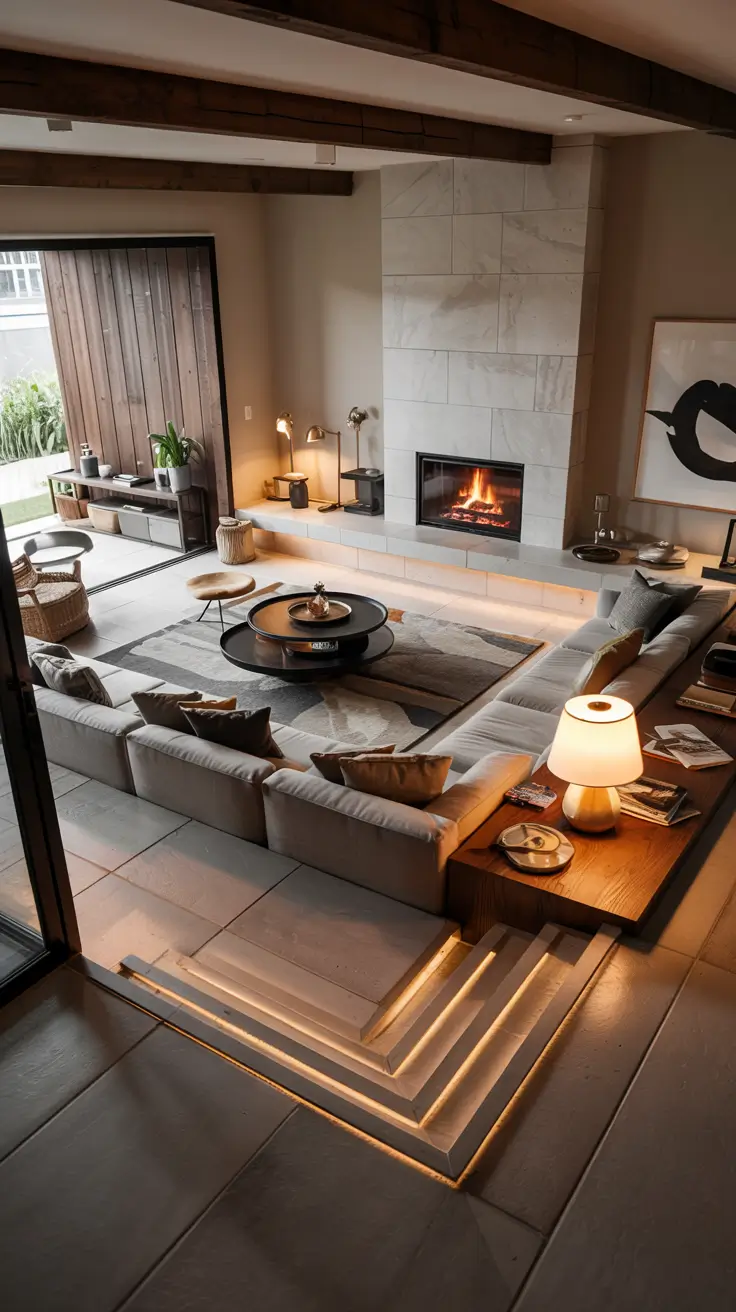
I start with the edge of the step-down, because that line defines the room. I like adding a slim wood cap, a contrasting trim, or a low modern railing if safety is a concern, especially for kids or older family members. Then I choose a large rug that sits fully inside the lower level, which visually grounds the seating area. A sectional works well here, but I keep the back height moderate so sightlines stay open. I also add lighting that addresses the level change: wall sconces, step lights, or a floor lamp placed near the transition. If you want living room renovation ideas modern, use clean geometry and avoid bulky furniture that blocks the view across levels.
In my own projects, I have seen step-down rooms feel instantly better when the upper level gets a purpose too. I often create a slim console, a reading nook, or a small bar cabinet on the higher level so the space feels connected, not split. Many design pros recommend keeping pathways wide and obvious in split-level homes, and I agree because confusion is what makes these rooms feel awkward. If you like a warmer vibe, you can blend in rustic elements like a wood coffee table or textured plaster walls without losing a modern layout. When you treat the level change as a feature, the room feels intentional and elevated. It becomes a design moment instead of a problem.
What I would add to round out this section is guidance on flooring continuity. I would explain when to keep the same flooring on both levels versus when to change it to emphasize the step-down. I would also add advice on railing options that look modern, like thin metal spindles or glass panels, if local codes or safety needs require a barrier. Finally, I would include a small list of lighting temperatures and bulb types to keep the lower level bright enough without feeling harsh.
11. Split Foyer Living Room Renovation Ideas With Better Flow
Split foyer homes often create a living room that feels like it is competing with the entry and stair zone. My goal with split foyer living room renovation ideas is to smooth the arrival experience and reduce visual clutter. In 2026, the best renovations treat the foyer and living room as one coordinated sequence. That means consistent finishes, a clear drop zone, and a layout that avoids blocking the stairs. This is where living room renovation ideas on a budget can still look high-end, because paint, lighting, and smart storage do most of the work. Once flow improves, the whole home feels more modern.
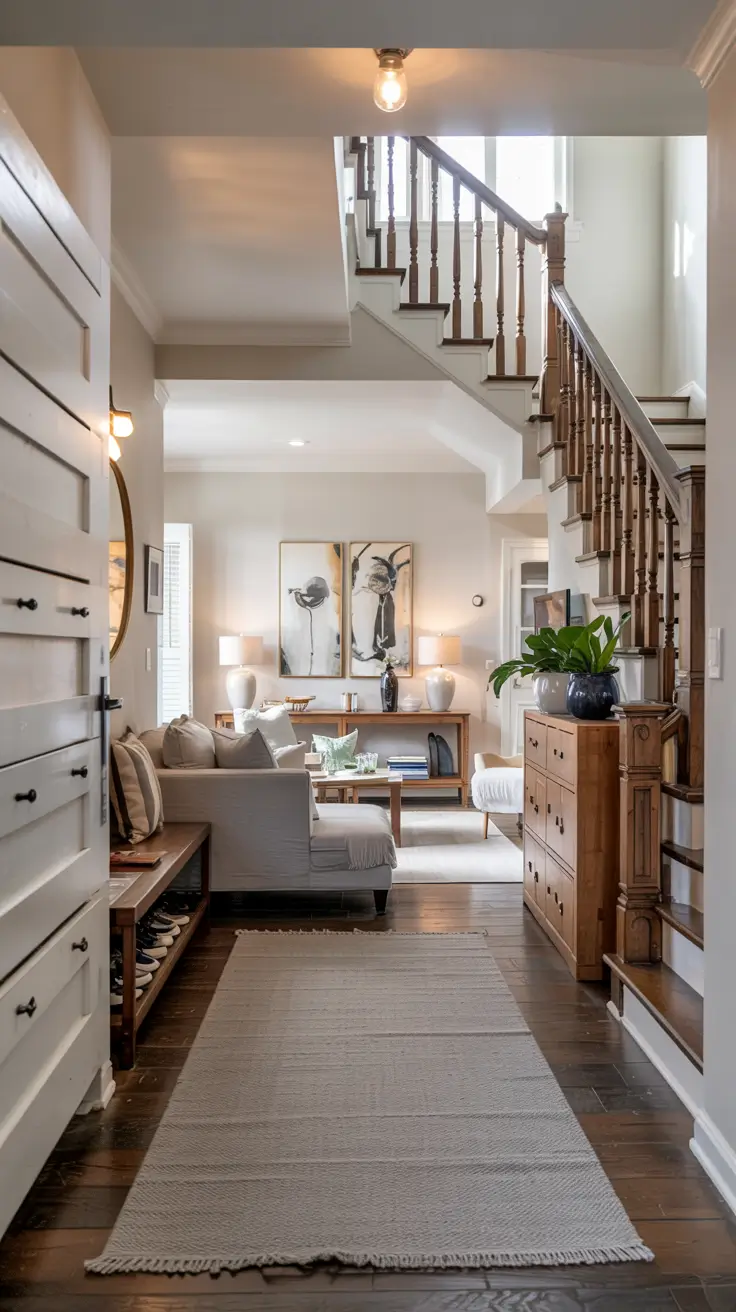
I usually begin with the entry-facing wall and add a slim bench, hooks, and a closed shoe cabinet or drawers. A durable runner and a larger living room rug help connect the spaces and reduce the choppy feel common in split foyers. For the living room, I place seating so the main walkway from entry to stairs stays open, which often means floating the sofa slightly away from the wall. I also like a narrow console behind the sofa to hold keys and lamps without stealing floor space. Layered lighting matters here because split foyers can feel dim, so I add a bright but warm ceiling fixture and at least two lamps. If you want a simple update, upgrading the stair rail and newel post to a cleaner profile can modernize the entire view.
From my experience, the biggest mistake in split foyers is trying to decorate every surface. I keep the visual field calm by choosing one focal point, like a fireplace wall or a large art piece, and letting the entry stay functional and quiet. Many home design publications emphasize that first impressions are built on lighting and organization, and that holds especially true in split foyers. If you love living room renovation ideas indian, this layout still works, just keep patterns focused in textiles like cushions or a rug rather than on every wall. You can also add a carved wood console or a warm metal mirror to bring character near the entry. The result is better flow, less stress, and a room that feels larger.
What I would add here is a mini plan for sound and echo control, because split foyers can amplify noise. I would include suggestions like a thicker rug pad, textured curtains, and upholstered seating. I would also add a note about choosing paint sheen and wipeable finishes near the entry where hands and bags often bump walls. Finally, I would include a quick layout diagram idea, because split foyers benefit from clear furniture placement rules.
12. Split Level Living Room Renovation Ideas With Modern Balance
Split level living rooms can look stylish and architectural, but only if the design balances openness with definition. With split level living room renovation ideas, I aim for a modern composition that still feels comfortable. In 2026, the trend is to unify the levels with consistent materials while using lighting and furniture grouping to define zones. This approach helps when your living room connects to a kitchen or dining area, because it avoids a scattered look. It also supports living room renovation ideas budget planning, since you can update key sightline areas first. A balanced split level feels intentional, not pieced together.
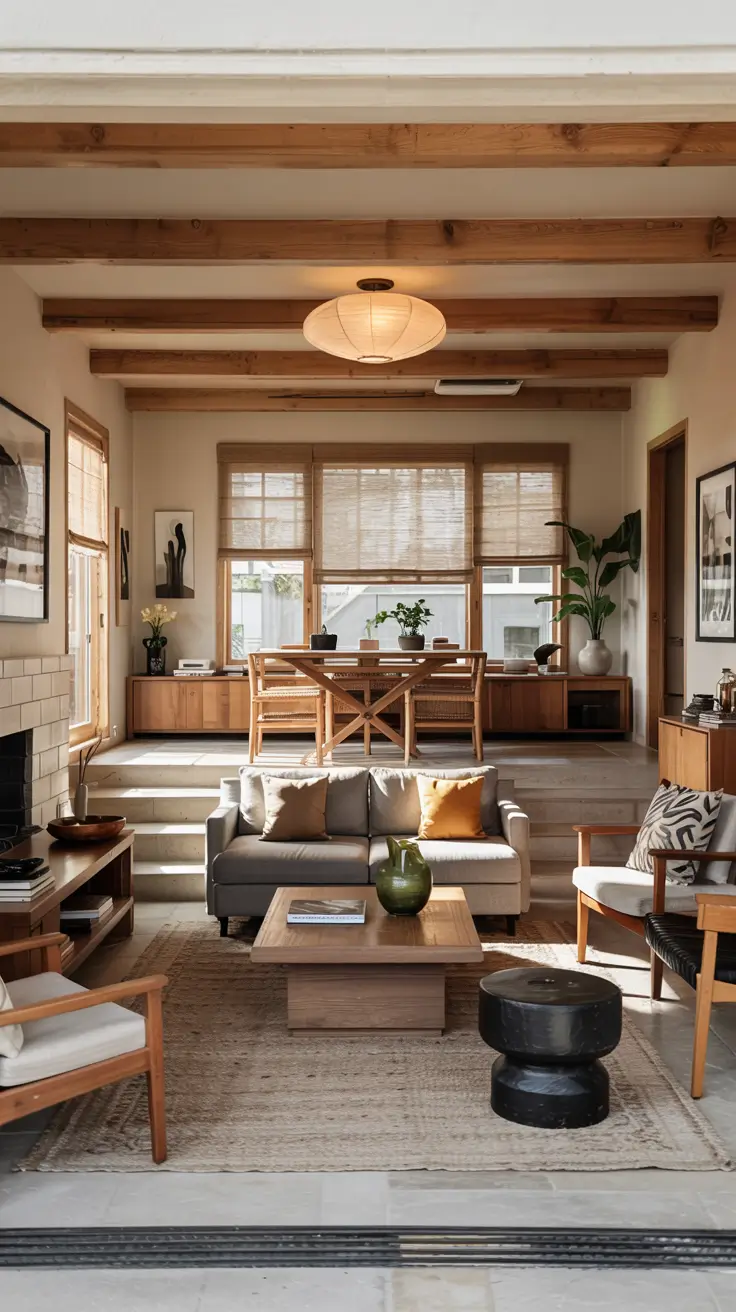
I start by choosing a consistent flooring or at least consistent undertones in each level so the transitions feel natural. Then I create two or three clear zones, like conversation seating, a media area, and a reading corner. A sectional or a sofa with two chairs often works best, because it can wrap the conversation zone without blocking pathways. I like nesting tables or a slim coffee table to keep circulation easy, especially if the room is narrow. Built-in storage or a low wall of cabinets can anchor the space and hide everyday clutter. For a modern touch, I add a statement light fixture and keep window treatments simple, using linen or woven shades.
In projects I have worked on, the modern look comes from restraint and repetition. I repeat one wood tone, one metal finish, and one accent color across both levels so the room reads as a single design. Designers often recommend grounding open spaces with oversized rugs and consistent lighting temperature, and I follow that because it prevents the split level from feeling visually jumpy. If you enjoy rustic farmhouse living room renovation ideas, you can soften the modern edges with a reclaimed wood beam, textured plaster, or a warm stone element without turning the room into a theme. The blend of modern structure and warm materials is what feels current for 2026. It looks clean, but it still feels like home.
What I would add to this section is advice on art placement across levels. I would include tips for hanging pieces so they align with sightlines from the stairs and entry. I would also add a practical note about TV height and glare, because split levels often create awkward viewing angles. Finally, I would include a short list of accent colors that work well with modern split levels, like muted terracotta, olive, and soft charcoal.
13. Open Concept Kitchen Dining Living Room Renovation Ideas
Open concept kitchen dining living room renovation ideas are all about creating one cohesive space without losing function. In 2026, the best open concept rooms feel layered, with clear zones and strong lighting plans. I treat the room like a small neighborhood: each area has its own purpose, but everything matches. This layout can be perfect for entertaining and everyday life, but it can also feel noisy and messy if storage and boundaries are ignored. It is also a common place for living room renovation ideas before after changes, because reorganizing zones makes a dramatic difference. When done well, the room feels modern, social, and easy to use.
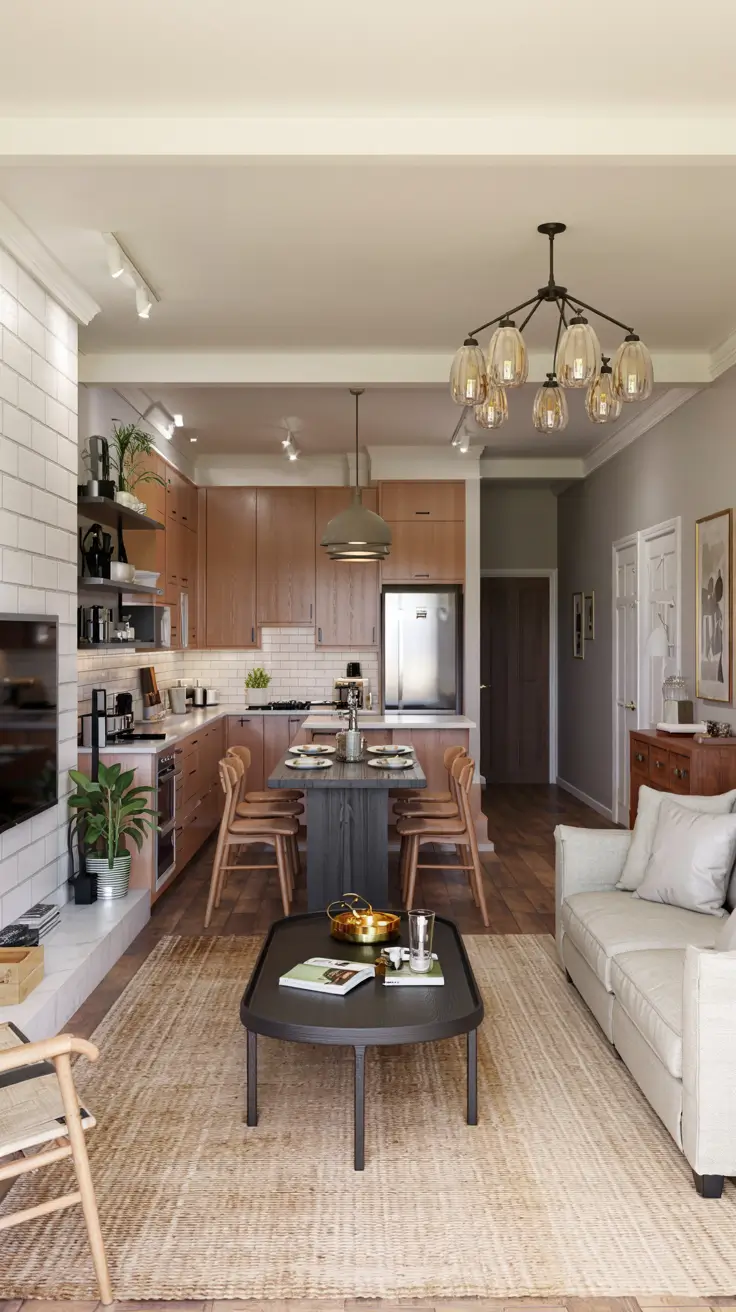
I define zones with rugs, lighting, and furniture placement rather than walls. In the living area, I use a large rug to anchor the seating and keep the sofa oriented toward a focal point like a fireplace or media wall. In the dining zone, I prefer a table shape that matches circulation, often oval or rectangular with slim chairs to keep pathways open. In the kitchen zone, I like bar stools that tuck fully under the island and pendants that visually mark the work area. Storage is essential, so I include closed cabinetry, a sideboard in the dining area, and a media unit that hides devices and cords. If your style is living room renovation ideas modern, keep finishes consistent, like matching wood tones and repeating the same metal finish in hardware and lighting.
In my experience, the easiest way to make open concept feel calm is to limit the color palette and repeat materials. Many professionals advise that open plan spaces need fewer, larger statement pieces rather than lots of small decor, and I agree because clutter becomes more visible without walls. If you like living room renovation ideas indian, you can add warmth through layered textiles, handcrafted stools, or a patterned rug, but keep the base finishes consistent so the zones do not clash. I also recommend planning acoustics early, since hard surfaces in kitchens bounce sound into living areas. Once you handle zoning and sound, open concept becomes a daily-life upgrade instead of a constant cleanup challenge.
What I would add to complete this section is a checklist for transitions between zones. I would include advice on aligning pendant lights with the island, centering the dining chandelier with the table, and placing the living room rug to create a clear edge. I would also add tips for choosing paint and trim so the entire space reads as one, not three separate projects. Finally, I would add a quick note on ventilation and cooking smells, because that is a real comfort issue in open concept homes.
14. Open Plan Kitchen And Living Room Renovation Ideas
Open plan kitchen and living room renovation ideas often focus on the two biggest daily-use zones, and the challenge is keeping them both functional without visual overload. In 2026, I see a shift toward cleaner kitchens that blend into the living area, almost like furniture, while the living room stays soft and relaxing. This is a strong approach for living room renovation ideas on a budget because you can prioritize the shared sightlines first. I pay special attention to what you see from the sofa and what you see from the kitchen, because those views define the space. The goal is a unified look that still supports cooking, lounging, and hosting. When the plan is right, the room feels bigger and more modern without major construction.
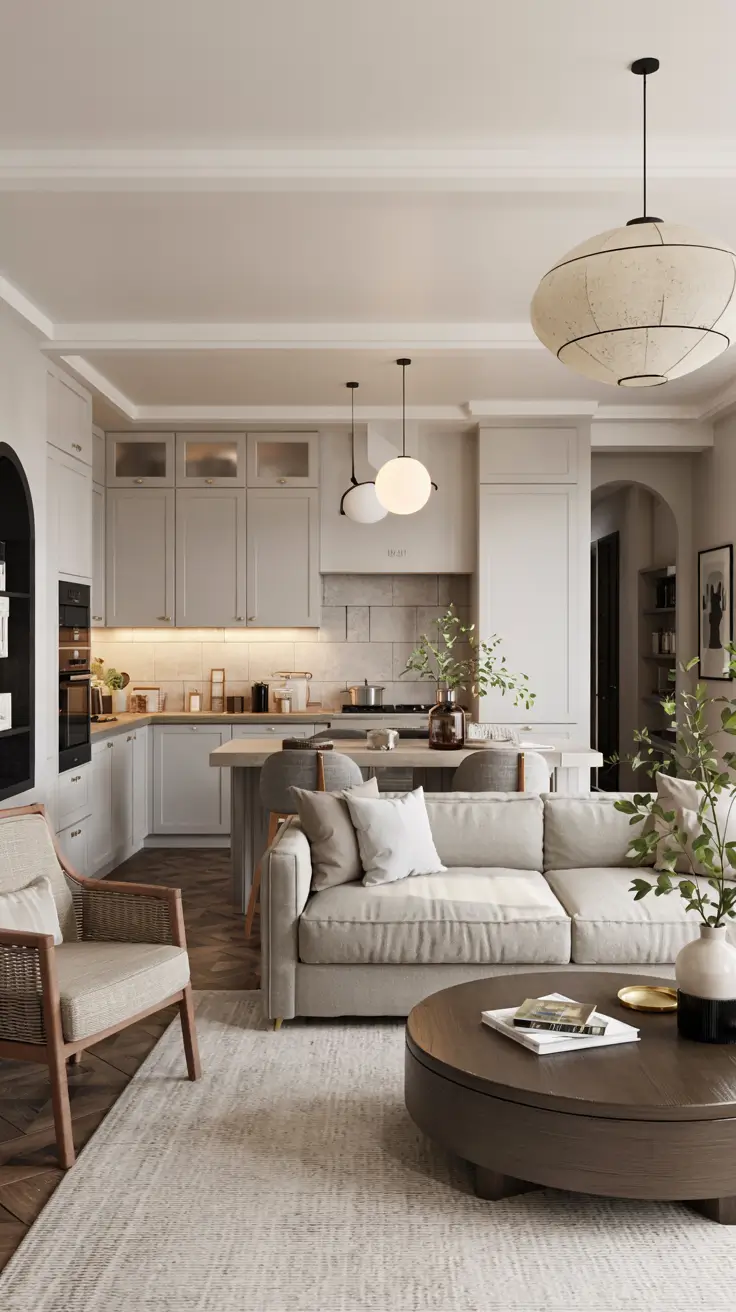
For furniture, I like a sofa that faces away from the kitchen to create a natural boundary, often with a console table behind it for lamps and small storage. I choose kitchen finishes that do not shout, like matte cabinets, simple pulls, and a backsplash with subtle texture rather than high-contrast patterns. In the living room, I add softness through a large rug, upholstered chairs, and layered lighting, so the space feels restful next to the practical kitchen. A coffee table with hidden storage helps manage everyday items in an open plan. If you want living room renovation ideas budget flexibility, use a few high-impact updates like new lighting, coordinated hardware, and a unified paint color to tie the zones together. A mobile homes or RV style open plan can use the same strategy, just scaled down with slimmer furniture and more vertical storage.
Personally, I like to create one design thread that connects the kitchen and living room, such as repeating oak accents, black metal details, or a consistent stone look. Designers often note that open plan homes feel best when the kitchen does not dominate visually, and I find that true because the living room should still feel like a retreat. If you are inspired by living room design ideas for barn renovation, you can add warmth with beams, textured walls, or a farmhouse-style table, but keep the layout clean so it stays modern. If the space is small, I avoid bulky islands and instead use a slimmer peninsula or a rolling cart that can move when needed. The result is an open plan kitchen that works hard and a living room that still feels calm.
What I would add to this section is a practical plan for hiding kitchen mess in an open plan. I would include ideas like appliance garages, taller pantry storage, and a rule for keeping countertops clear. I would also add advice on selecting bar stools and dining chairs that share a common shape language, because mismatched seating is a common open plan problem. Finally, I would add a lighting guide that explains how to avoid glare on screens and reflections from glossy kitchen surfaces.
15. Living Room Design Ideas For Barn Renovation Projects
Barn living rooms can feel breathtaking, but they also punish careless choices because the volume is so big and the surfaces are so hard. I approach barn renovation by balancing the drama of beams and height with warmth, softness, and human scale. For 2026, I like mixing rustic structure with clean-lined pieces so the room reads intentional rather than theme-based. If your barn has a wide opening to a kitchen, I treat it like open concept kitchen dining living room renovation ideas and plan sightlines and lighting as one story. The goal is a living space that feels calm, insulated, and easy to live in every day.
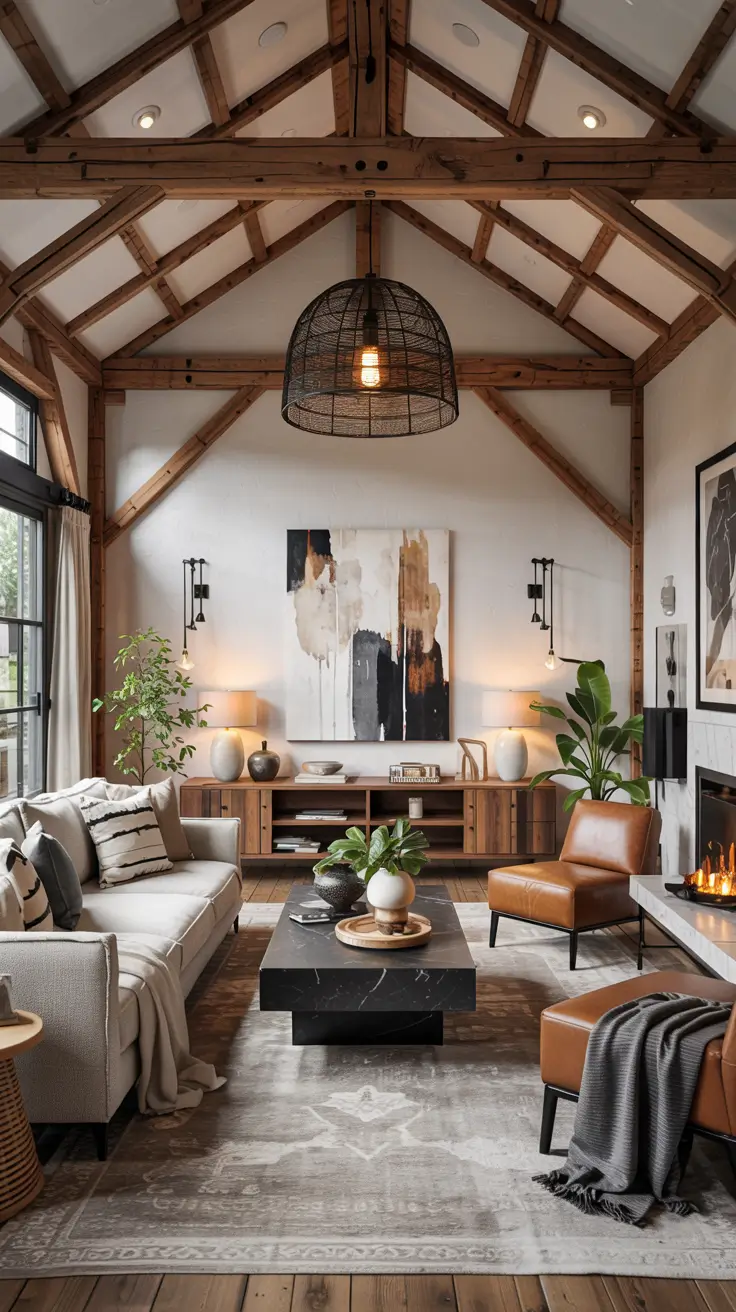
I start with a zoning plan that creates a clear conversation area, a reading corner, and a path that never cuts through the seating. A large sectional or two deep sofas work well, but I anchor them with an oversized wool rug to absorb echo and define the center. I add a long, low media console or built-in cabinetry to keep the wall visually grounded, especially under tall gables. Layered lighting matters here, so I use a statement pendant for height, wall sconces for glow, and table lamps for the seating zone. To keep the barn character, I pair natural wood, black metal accents, and linen textiles, then add a few modern pieces like a sculptural coffee table to bring the look into 2026.
In my experience, the biggest mistake is leaving the room too empty because you want the architecture to shine. I have learned that barns look better when you add fullness at the lower level, like bookcases, art, and plants, because it makes the scale feel welcoming. When I borrow advice from design editors, it often comes down to layering, meaning you combine textures and light sources so the room feels finished rather than cavernous. I also like to test the acoustics early by placing temporary rugs and fabric panels before committing to final materials. That quick test saves a lot of regret later.
What I would add to this plan is a comfort and performance checklist specific to barns, including insulation, window treatments, and a strategy for drafts near large doors. I also recommend measuring for oversized furniture access, because barn doors and stair turns can make deliveries difficult. If there is a step down between zones, I treat it like step down living room renovation ideas and mark edges with lighting or a contrasting runner for safety. Finally, I would add a plan for hidden storage, like a bench under a window or built-ins, so the room stays uncluttered even when it is lived in.
16. 100 Year Old House Living Room Renovation Ideas
A century home usually has character you cannot replicate, but it may also have awkward proportions, uneven floors, and limited outlets. I like to renovate these living rooms by preserving what makes them special while upgrading function in ways that are invisible at first glance. For 2026, I see homeowners leaning into warm neutrals, improved lighting, and furniture that respects classic trim without copying the past. If you are documenting living room renovation ideas before after, these rooms show the most dramatic results because small upgrades improve both beauty and comfort. I also weave in living room renovation ideas indian here when clients want richer color, carved wood, or textile accents that feel personal rather than trendy.
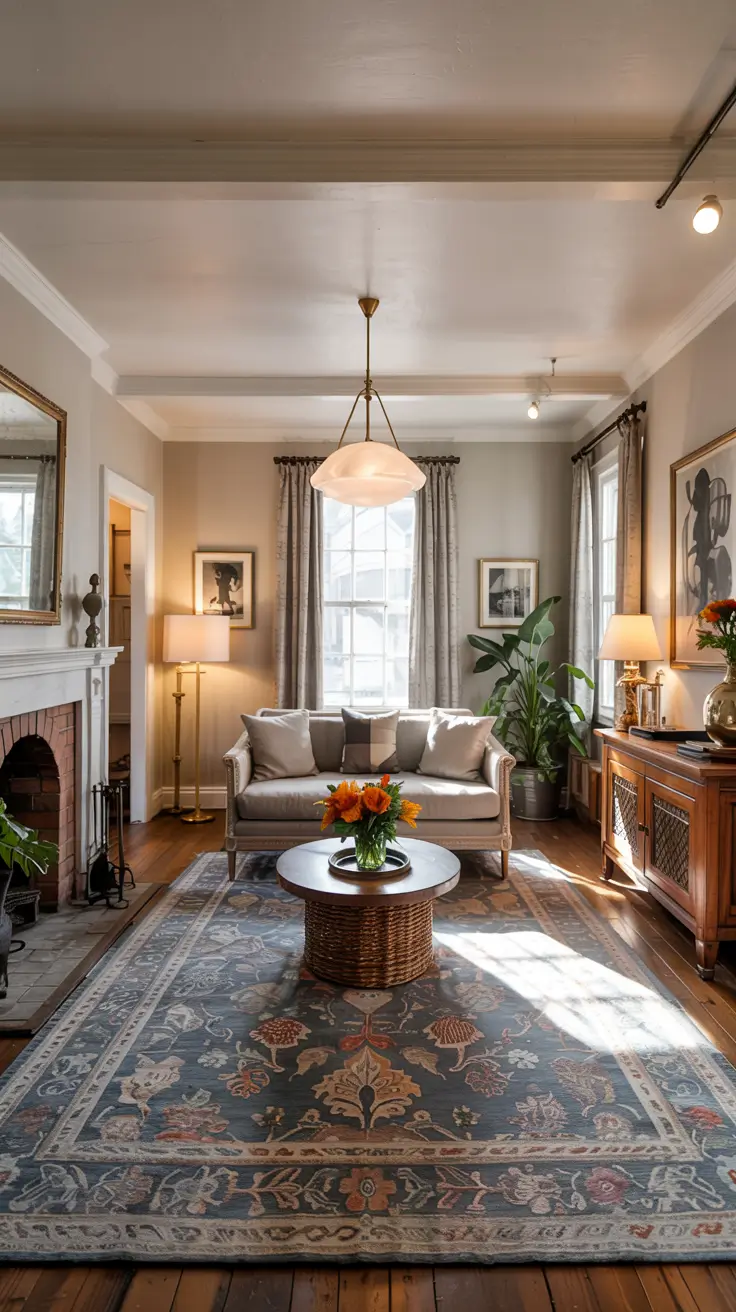
I begin with the envelope, meaning windows, drafts, and wall repair, because comfort changes how you use the room. I keep original moldings and fireplaces when possible, then modernize around them with a tailored sofa, a pair of accent chairs, and a rug that is large enough to connect all front legs. For color, I often use a soft neutral on walls and add depth through curtains, art, and a patterned rug that nods to heritage, including block prints or ikat-inspired motifs. Lighting is usually the missing piece, so I add picture lights, dimmers, and a ceiling fixture that fits the era but still reads fresh. To integrate Indian influence without overdoing it, I use one or two focal pieces, like a carved sideboard or a brass floor lamp, and let the architecture carry the rest.
From my own renovations, I can tell you that old houses reward patience and a measured plan. I like to take photos of every angle before I buy furniture, because what looks symmetrical often is not, and you need to design for the reality. Many designers recommend honoring the home’s original lines, which I interpret as keeping furniture heights proportional to windows and trim. I also avoid overly glossy finishes in these rooms because they can fight the softness of plaster, old wood, and aged metal. When the balance is right, the room feels timeless and current, which is exactly what living room renovation ideas modern should achieve in a historic shell.
What I would add is a checklist for electrical and lighting upgrades, including where you need outlets for lamps, chargers, and media. I would also add a plan for floor refinishing or strategic rugs if refinishing is not possible. If the room is narrow, I treat it like renovation ideas for small living room by choosing slimmer furniture profiles and floating pieces away from walls to improve flow. Finally, I recommend a simple documentation plan for the before after story, like consistent camera angles, because it helps you see progress and make better decisions.
17. Attic Renovation Ideas Turned Into Stylish Living Rooms
An attic living room can be the coziest space in the home, but the sloped ceilings and low knee walls require smart design. I approach attic renovation by prioritizing headroom, natural light, and storage, so the room feels intentional rather than improvised. For 2026, I like attic spaces that feel Nordic and airy, with pale woods, soft textiles, and clean shapes that do not compete with the angles. These projects often overlap with renovation ideas for small living room because every inch matters and clutter shows fast. When the plan is right, an attic becomes a quiet retreat that still feels like a real living room, not a spare room.
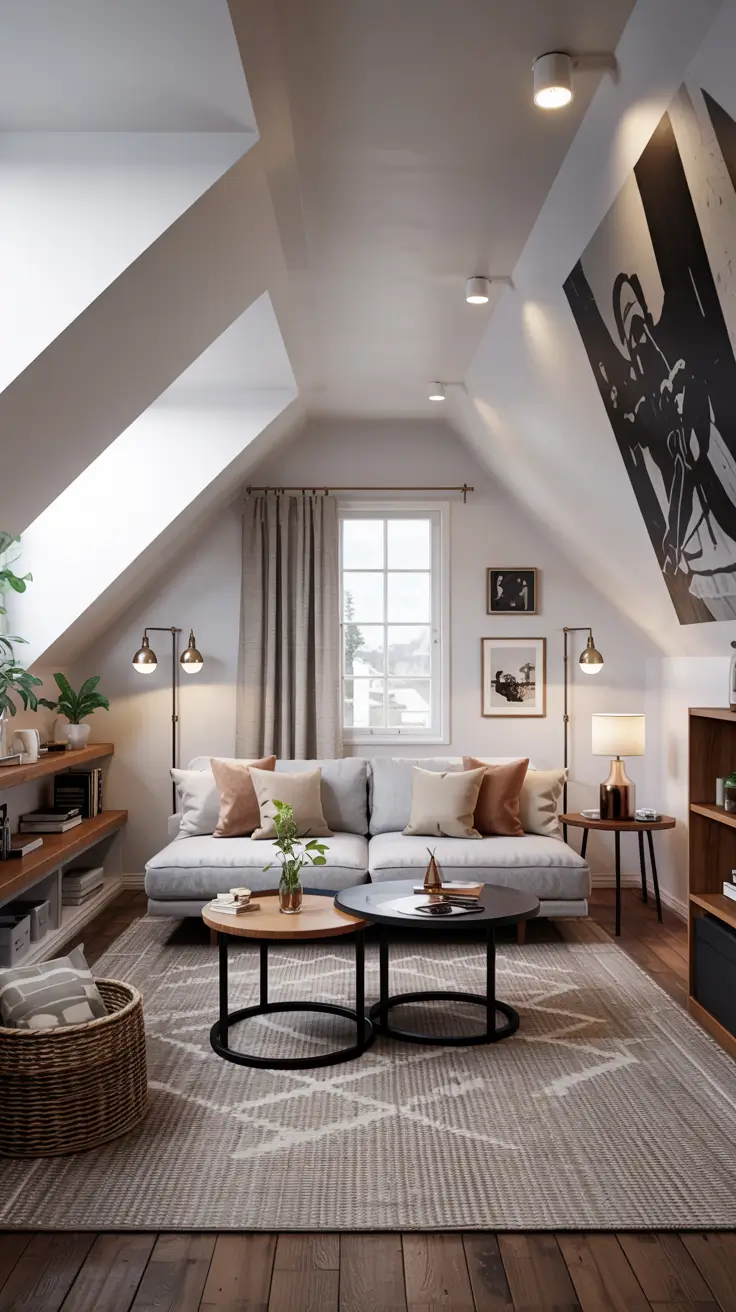
I start by mapping usable zones, marking where you can stand, where you can sit, and where storage can live under the slopes. Low-profile seating is the key, so I choose a compact sofa, armless chairs, or a modular loveseat, then pair it with nesting tables that can move easily. Built-in drawers or cabinets inside knee walls are a game changer because they hide everything from board games to extra blankets. I add layered lighting, including recessed lights where possible, wall sconces on the tall wall, and a floor lamp in the reading corner. To keep it modern, I use a limited palette, a textured rug, and one strong art piece on the tallest wall so the eye has a clear focal point.
I have found that the fastest way to make an attic feel bigger is to control contrast and keep the ceiling plane light. Designers often emphasize vertical continuity, and in an attic that means using the same wall color up the slope to reduce visual chopping. I also recommend investing in good window coverings, because attics can swing hot and cold and comfort determines whether the room gets used. When I style the final space, I add a few tactile layers like a boucle throw and linen curtains so it feels finished without feeling busy. The result is a modern hideaway that still supports everyday habits like reading, movies, or a quiet chat.
What I would add is an acoustic and HVAC plan, especially if the attic is above bedrooms or near the roofline. I would also add a clear storage list so you do not overbuild cabinets you will not use. If the attic opens to a stair landing, I treat the transition carefully with a runner and lighting so it feels safe and connected. Finally, I recommend planning the media wall early, because odd angles can make TV placement tricky and you want clean cable management from day one.
18. Apartment Living Room Renovation Ideas On A Budget
Apartment renovations are all about impact per dollar, because you may have limits on drilling, painting, or major construction. I focus on upgrades that change how the room feels, like lighting, layout, and textiles, which is the heart of living room renovation ideas budget. For 2026, apartment style is moving toward warm minimalism, meaning fewer items but better materials and more intentional color. This is where living room renovation ideas on a budget can still look elevated if you choose the right anchors. I also keep flexibility in mind, because renters and frequent movers need pieces that adapt to new floor plans.
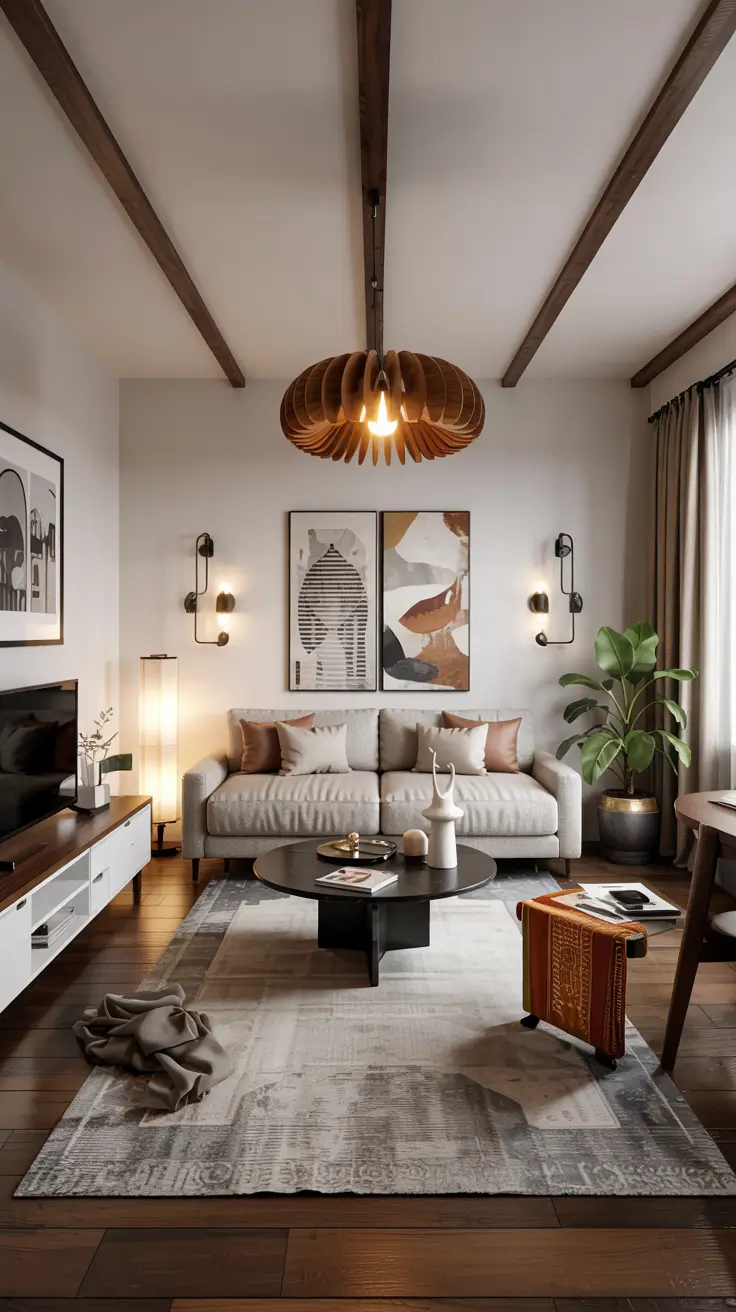
My first move is always the layout, because a better arrangement can make a room feel renovated even before you buy anything. I choose a sofa with clean lines, add a large rug that reaches under the front legs, and use an oval or round coffee table to improve flow in tight spaces. Lighting is the biggest budget-friendly transformation, so I add plug-in sconces, a floor lamp with a warm bulb, and a simple ceiling fixture if allowed. Storage should look like furniture, so I use a low bookcase, baskets, and a closed cabinet for visual calm. For a personal touch that still feels modern, I add one strong textile element, like a patterned cushion cover inspired by living room renovation ideas indian, but I keep the rest neutral.
From what I have seen, people overspend on small decor and underinvest in the big pieces that define the room. Many editors recommend starting with a rug and lighting, and I agree because those two control the mood more than most people expect. I also like to shop your own home first, moving a chair or lamp from another room to test the layout before buying anything. If you want a before after moment, swapping curtains, upgrading bulbs, and adding art at the right height creates a visible change in a weekend. The key is restraint, because a tight apartment looks best when every item earns its place.
What I would add is a simple budget map, listing what to buy first, what to buy later, and what to avoid entirely. I would also add measurement notes, especially for door widths, elevator sizes, and tight hallways. If the living room connects to the kitchen, I treat it as open concept kitchen dining living room renovation ideas and coordinate finishes, like matching metal tones and repeating one accent color. Finally, I would add a plan for temporary upgrades, like peel-and-stick solutions and plug-in lighting, so you can take value with you when you move.
19. Mobile Homes Living Room Renovation Ideas Made Modern
Mobile home living rooms often struggle with narrow proportions and mixed materials, but they can look surprisingly polished with the right strategy. I aim for a modern update that improves light, storage, and circulation without making the space feel cramped. For 2026, the best living room renovation ideas modern in mobile homes lean on simple lines, warm neutrals, and durable finishes that handle daily life. This is also a place where living room renovation ideas budget matter, because the biggest gains come from smart planning, not expensive materials. With a clear plan, a mobile home living room can feel current, bright, and cohesive.
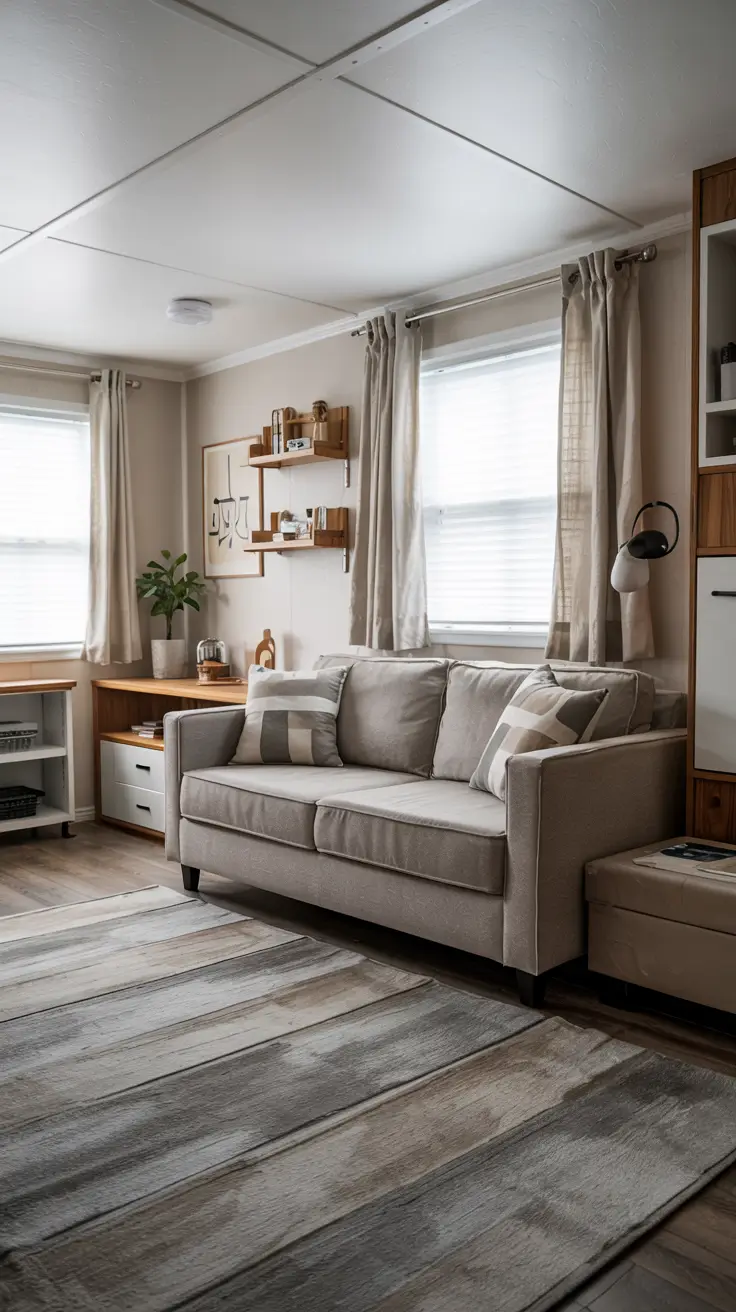
I start by decluttering visual noise, then choose one consistent floor finish if a change is possible, because continuity makes the room feel larger. I use a compact sofa with raised legs, a slim media console, and a wall-mounted shelf system to keep the floor clear. Window treatments are critical, so I choose light-filtering shades and curtains hung high to add perceived height. For color, I like soft warm whites or light greige, then I bring contrast through black hardware or wood tones. If seating is tight, I add a storage ottoman instead of a bulky coffee table, and I keep decor to a few larger pieces rather than many small ones.
In my experience, mobile homes look best when you commit to one style language and repeat it across materials. Designers often talk about visual rhythm, and I apply that by repeating the same wood tone in the console, shelves, and side tables. I also recommend focusing on comfort upgrades like better underlay, improved lighting, and a fan that quietly moves air. If the living room opens to a small kitchen, I treat the boundary with a rug and lighting rather than a bulky divider. The end result feels modern, but it still respects the practical reality of a hardworking home.
What I would add is a lighting plan that includes under-cabinet lighting near the kitchen edge, plus task lighting by seating. I would also add a storage audit, deciding what must live in the living room and what can move elsewhere, because storage is limited. If there is a split level entry nearby, I plan a narrow bench and hooks so traffic does not dump clutter into the seating zone. Finally, I would add a material checklist focused on durability, like washable slipcovers and scuff-resistant paint, to keep the modern look intact.
20. RV Living Room Renovation Ideas For Compact Living
An RV living room is the ultimate test of function, because every choice affects movement, storage, and safety. I approach RV updates by prioritizing lightweight materials, multi-use furniture, and a calm palette that makes the interior feel larger. For 2026, the trend is to make RV interiors look like small apartments, with simple cabinetry, warm wood accents, and comfortable seating that does not feel like a compromise. These are renovation ideas for small living room at their most extreme, so planning matters more than style statements. When done well, the RV living room becomes a flexible lounge, dining spot, and workspace without feeling cluttered.
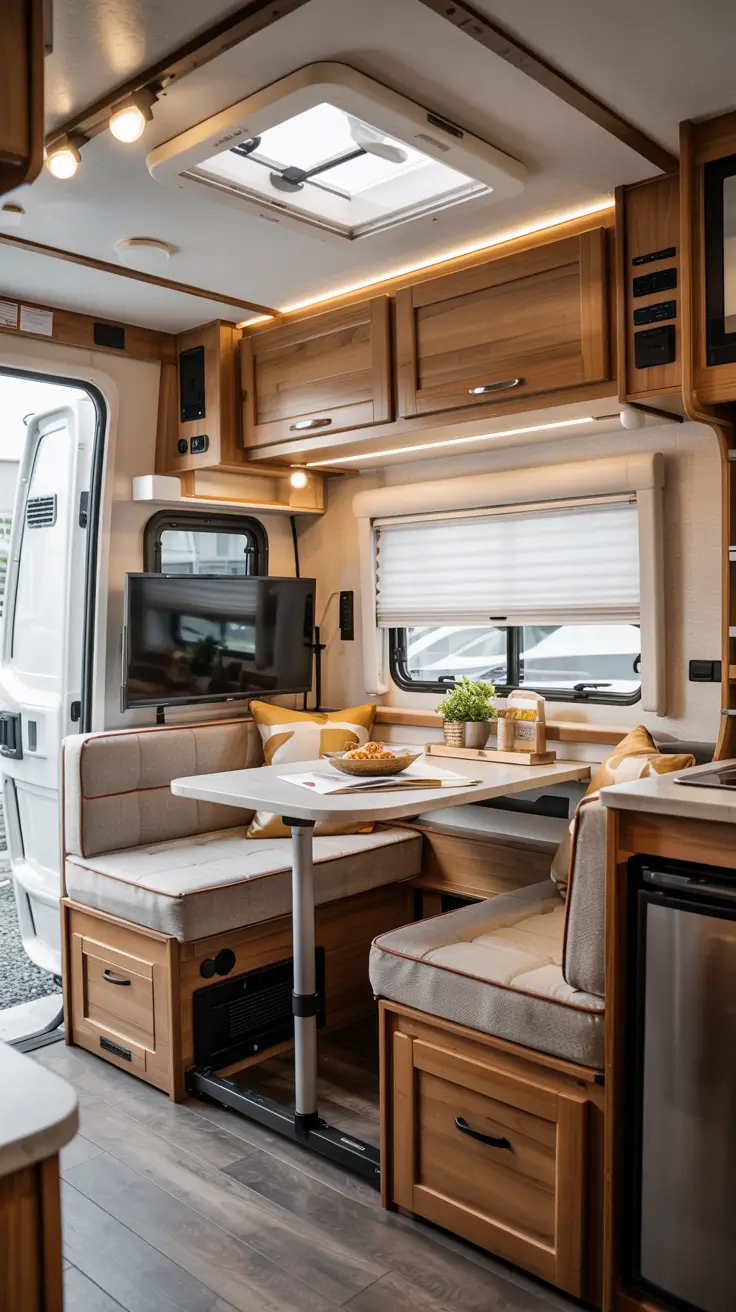
I start by identifying the fixed elements, like slide-outs, windows, and vents, then I design around those immovable constraints. I prefer a compact dinette that converts smoothly, plus a slim sofa or built-in bench with storage underneath. For surfaces, I use a small pedestal table or a hinged wall desk that folds away, because floor space is precious. Lighting and power are key, so I add LED strips in warm temperature and create charging zones where cords do not cross walkways. To keep the space modern, I choose simple cabinet pulls, a neutral upholstery fabric, and one accent textile that adds personality without adding bulk.
I have learned that RV renovations succeed when you reduce the number of visible objects. Many pros recommend prioritizing closed storage, and I agree because open shelving becomes visual chaos on the road. I also recommend testing every move, meaning you literally walk the path from door to kitchen to seating and make sure nothing catches your hip or blocks a cabinet. If you want a before after transformation, changing upholstery, upgrading lighting, and replacing outdated valances makes a big difference quickly. The most important detail is choosing materials that are easy to clean and can handle vibration and temperature changes.
What I would add is a safety and weight checklist, including how much added material your storage systems and furniture changes introduce. I would also add a ventilation plan, because cozy textiles can trap moisture in a small RV. If you want a more open-plan feel, I would plan sightlines so the living zone looks toward windows and not toward cluttered storage. Finally, I would add a maintenance list, like screw checks and hinge upgrades, so the renovation stays solid over time.
21. Country And Rustic Living Room Renovation Ideas For 2026
Country style in 2026 is less about themed decor and more about comfort, natural materials, and a lived-in elegance. I treat this category as rustic farmhouse living room renovation ideas with a modern filter, meaning cleaner lines, fewer knickknacks, and better lighting. The goal is a warm room that feels grounded, not heavy, with a balance of wood, linen, and matte metals. This approach works in many layouts, from split foyer to split level, because it relies on proportion and texture rather than a strict floor plan. If you want a renovation that ages well, this style is one of the safest choices.
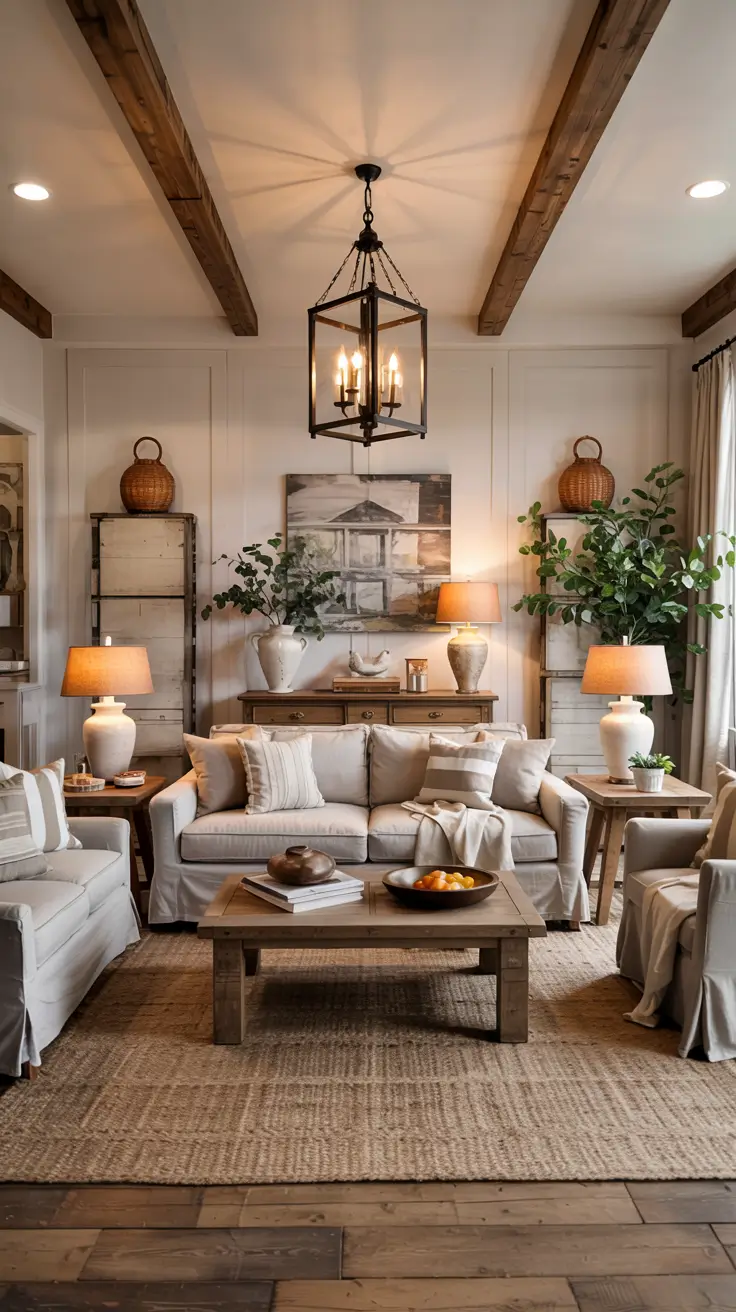
I start with foundational materials, like wide-plank flooring or a convincing wood-look surface, then I add a large rug for softness. Seating should be deep and comfortable, so I like a slipcovered sofa, a pair of upholstered chairs, and a sturdy coffee table in wood or stone. For the walls, I often add simple paneling, a limewash-inspired paint, or a warm neutral color that pairs well with natural wood. Lighting should be cozy, so I use a lantern-style pendant or a simple chandelier, then add table lamps with fabric shades. I finish with natural elements like woven baskets, ceramic vases, and greenery to keep it authentic rather than staged.
Personally, I think the most modern version of rustic is the one that feels edited. Designers often emphasize mixing finishes, and I do that by pairing aged wood with black metal and one refined element like a clean-lined fireplace surround. I also keep patterns simple, using stripes, checks, or subtle botanicals rather than loud prints. If the room is part of an open plan kitchen, I repeat materials across zones, like matching wood tones or repeating the same metal finish in cabinet hardware and lighting. That repetition is what makes the style feel modern and cohesive instead of random.
What I would add is a texture checklist so you deliberately include soft, hard, matte, and woven surfaces in balance. I would also add a plan for wall art scale, because country rooms often look off when frames are too small for the wall size. If the room has a step down, I add a runner, a console at the transition, and layered lighting so the change in level feels intentional. Finally, I would add a seasonal styling plan, because this look shines when you rotate a few textiles and natural elements through the year.