If you are collecting kids room renovation ideas for 2026, you are probably asking the same questions I ask before any room renovation kids project – what will still work next year, and what will feel dated fast? I will walk through practical layouts, materials, and furniture choices that support play, sleep, storage, and homework without making the room feel crowded. Along the way, I will reference real-life scenarios like attic renovation kids room challenges and small space planning, because those constraints are where good design decisions really show. You will also see how a room renovation for kids can stay flexible as routines change, and how a diy kids room renovation can still look modern and intentional. By the end, you will have a menu of ideas you can mix and match, plus clear guidance on what to prioritize first.
I approach kids spaces like a system – lighting, storage, surfaces, and flow – then I layer in personality with color and decor that can be swapped easily. In 2026, I see families leaning into calm backdrops, warmer woods, and smarter storage that does not look like a toy store aisle. I also notice more interest in multifunction furniture, especially when a room doubles as a playroom, study zone, or guest space. And yes, even niche spaces like rv kids room renovation or camper renovation kids room setups can borrow the same principles, just scaled down. My goal here is to give you Ideas you can apply whether you are working with a full bedroom, an attic nook, or an Rv bunk corner.
1. Kids Room Renovation Ideas For 2026 Trends And Inspiration
In 2026, I design kids rooms around a calm base with one strong, changeable accent so the space can evolve without a full redo. I start with washable wall paint in a warm off-white or very light greige, then add color through textiles, art, and one feature like a painted arch behind the bed. I like layered lighting – a ceiling fixture for general light, a reading sconce, and a small lamp for bedtime – because it supports every mood from play to wind-down. For floors, I prioritize comfort and durability, often a large low-pile rug over wood or quality laminate, so toys slide easily and cleanup stays simple. This approach keeps the room modern while still feeling personal.
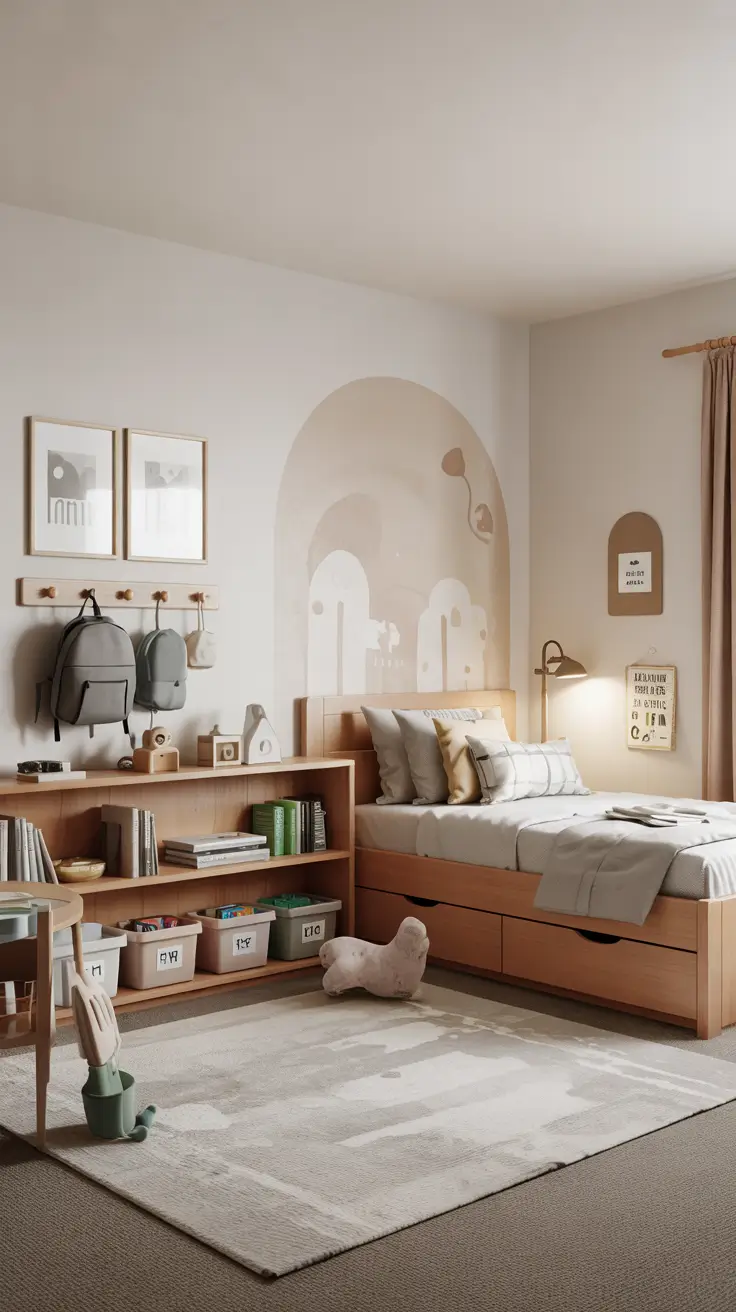
Furniture choices matter most when they reduce clutter and increase flexibility. I usually pick a bed with drawers or a trundle, a dresser that can double as a changing station for younger kids, and an open bookshelf with bins sized to the child’s reach. A slim desk with a task chair earns its space if homework or crafts happen daily, and I make sure it sits near natural light. I also like a peg rail or wall hooks at kid height for backpacks and jackets, because it builds independence and keeps the floor clear. When the core furniture is simple, the room can take on any theme without looking chaotic.
From experience, the biggest trend that actually improves daily life is zoning – sleep zone, play zone, and a quiet corner. I often reference guidance from mainstream design pros like Better Homes and Gardens and similar outlets that repeatedly emphasize storage you can maintain, not storage that looks good for photos only. I also recommend a quick “future check” before buying decor – ask whether it will still be loved in two years, and if not, keep it to pillows, posters, or removable decals. That mindset saves money and time, and it prevents the room from feeling like it needs constant updates. The result is a kid-friendly room that still reads as a modern interior.
What I would add next in this section is a simple measurement checklist – bed clearance, drawer swing space, and a walkway target – so you can confirm the layout works before you shop. I would also include a short materials list for kid-proof finishes like wipeable paint, rounded corners, and stain-resistant upholstery. Finally, I would add a mini plan for sound control, such as curtains and a rug pad, because noise management is often overlooked in kids spaces.
2. Room Renovation Kids Designs That Grow With Your Child
When I plan a room renovation kids layout that will last, I treat it like a starter home design – modular, neutral, and easy to personalize. I keep walls and big furniture relatively timeless, then let the child’s interests show up in artwork, bedding, and a rotating display shelf. I also like flexible storage that changes function, such as a toy cabinet that later becomes a book and hobby cabinet. The goal is to avoid a room that feels “too baby” or “too teen” at any single stage. This is how I keep the design from forcing another renovation too soon.
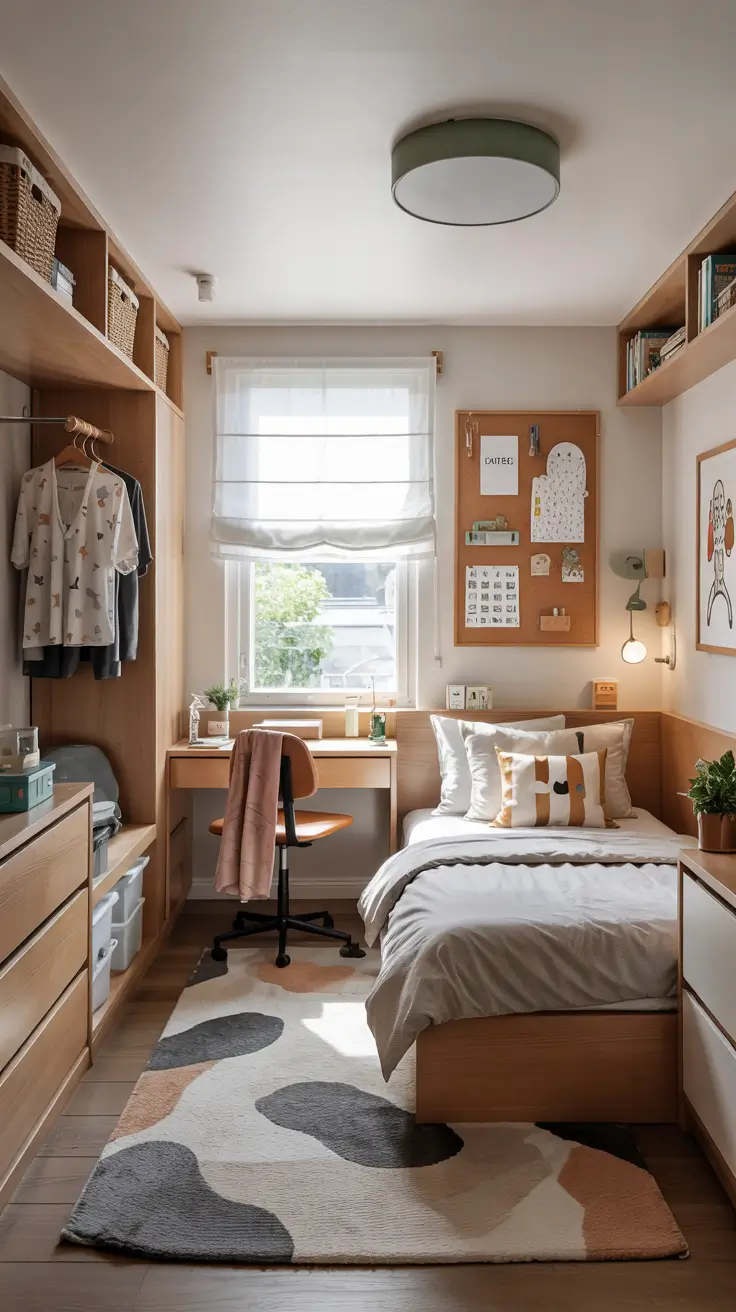
The furniture strategy is simple: choose pieces that scale. I prefer a standard twin or full bed over a toddler bed when it is safe and appropriate, because it lasts longer and opens up more bedding options. I add a dresser with deep drawers, a wardrobe or hanging rail for growing clothes, and a desk that can act as a craft table now and a study station later. If floor space is tight, I swap the desk for a wall-mounted fold-down surface with a strong bracket system. I also include a corkboard or magnetic strip for school papers, because it prevents clutter piles from taking over surfaces.
In my own projects, the growth-friendly choices that pay off most are those that support routines. A reading nook with a small chair and an adjustable lamp becomes a calm-down corner, then becomes a teen lounge spot with almost no effort. I also like advice often repeated by professional organizers and design editors – label storage by category and keep the “daily items” at the easiest height. It sounds basic, but it is the difference between a room that stays tidy and one that constantly feels messy. If you build the room around how your child actually lives, it keeps working as they change.
What I would add here is a short “phase swap” plan – what to change at ages 3, 7, and 12 – so you can update the room with small, predictable steps. I would also add guidance on converting toy storage into book and hobby storage, because that transition is where many rooms get stuck.
3. Creative Attic Renovation Kids Room Solutions For Small Spaces
An attic renovation kids room can be one of the coziest spaces in a home, but it requires careful planning around sloped ceilings and limited head height. I start by mapping the standing zone and the sitting zone, then placing the bed where the ceiling is lowest so the tallest clearance stays open for movement. I also pay close attention to lighting because attics can feel dim, so I layer recessed lights, wall sconces, and warm LED strips in built-ins. Ventilation and temperature control matter too, since attics swing hot and cold more than other rooms. With the right layout, the room feels intentional rather than improvised.
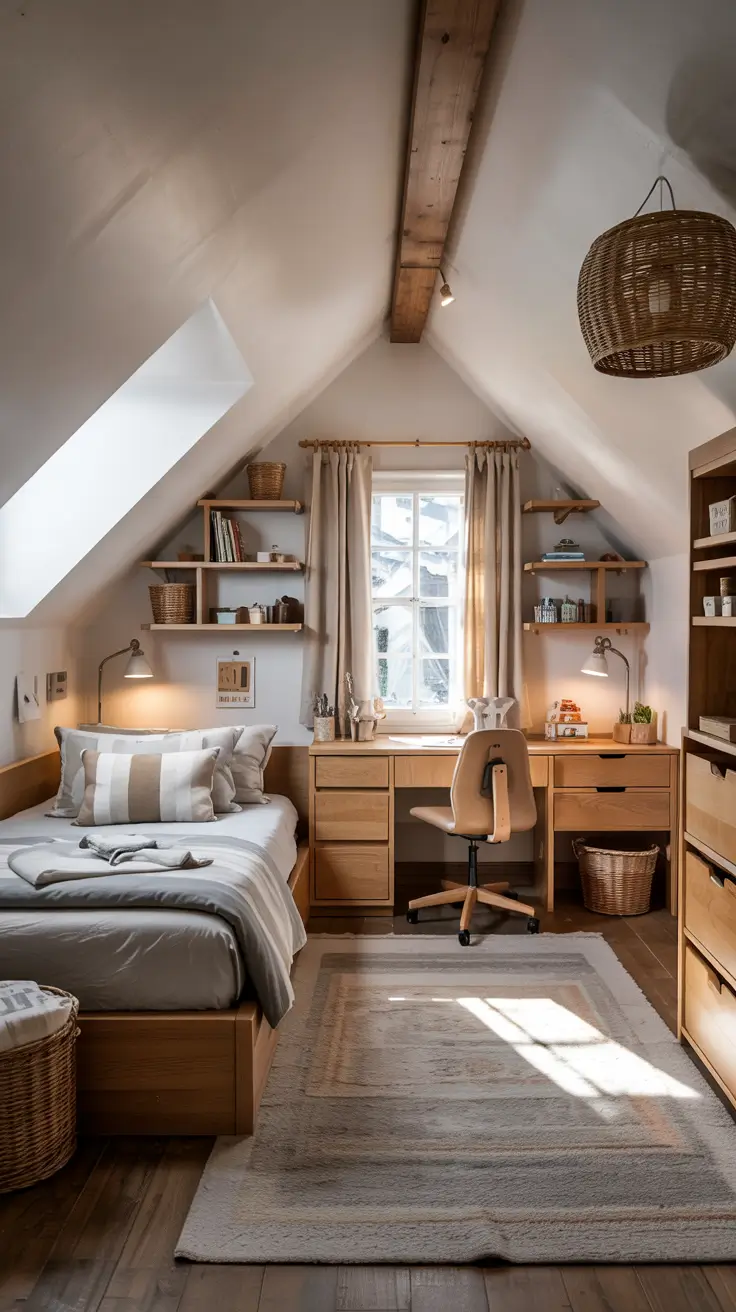
In small attic rooms, built-ins do the heavy lifting. I like low drawers or cabinets tucked under the eaves, plus open cubbies for books and baskets so everything has a visible home. A daybed or low platform bed often works better than a tall frame, and it can include drawers for clothing or linens. If you have a dormer window, I use that zone for a small desk, a reading bench, or a toy table, because natural light is precious up there. I also choose compact furniture with rounded edges, since attics often have tighter pathways and corners.
My professional rule for attic kids rooms is to avoid over-decorating and instead use texture. A soft wool-blend rug, linen-like curtains, and a few framed prints keep the room calm and make the angles feel architectural. I also recommend a safety check that many contractors and home improvement publications emphasize – confirm stair railings, smoke alarms, and egress requirements before you invest heavily in finishes. Attics can become favorite rooms, but only when they are comfortable and safe year-round. Once those basics are handled, the styling is easy.
What I would add next is a storage map for under-eave zones – what to store where based on access and frequency. I would also add a quick guide for choosing low-profile furniture dimensions so the room does not feel compressed.
4. Three Birds Renovations Kids Room Style And Layout Concepts
The 3 birds renovations kids room look is known for bright, livable spaces that balance style and practicality, and I often borrow that spirit when families want something fresh but not fussy. I start with a clear layout that keeps the center open for play, then anchor the room with a simple bed wall and a storage wall. The aesthetic usually leans light and airy with warm accents, which helps a kids room feel clean even when life is busy. I also like adding one feature wall treatment like subtle paneling or a half-wall paint break to create structure. This is a reliable way to make the room feel designed without relying on themed decor.
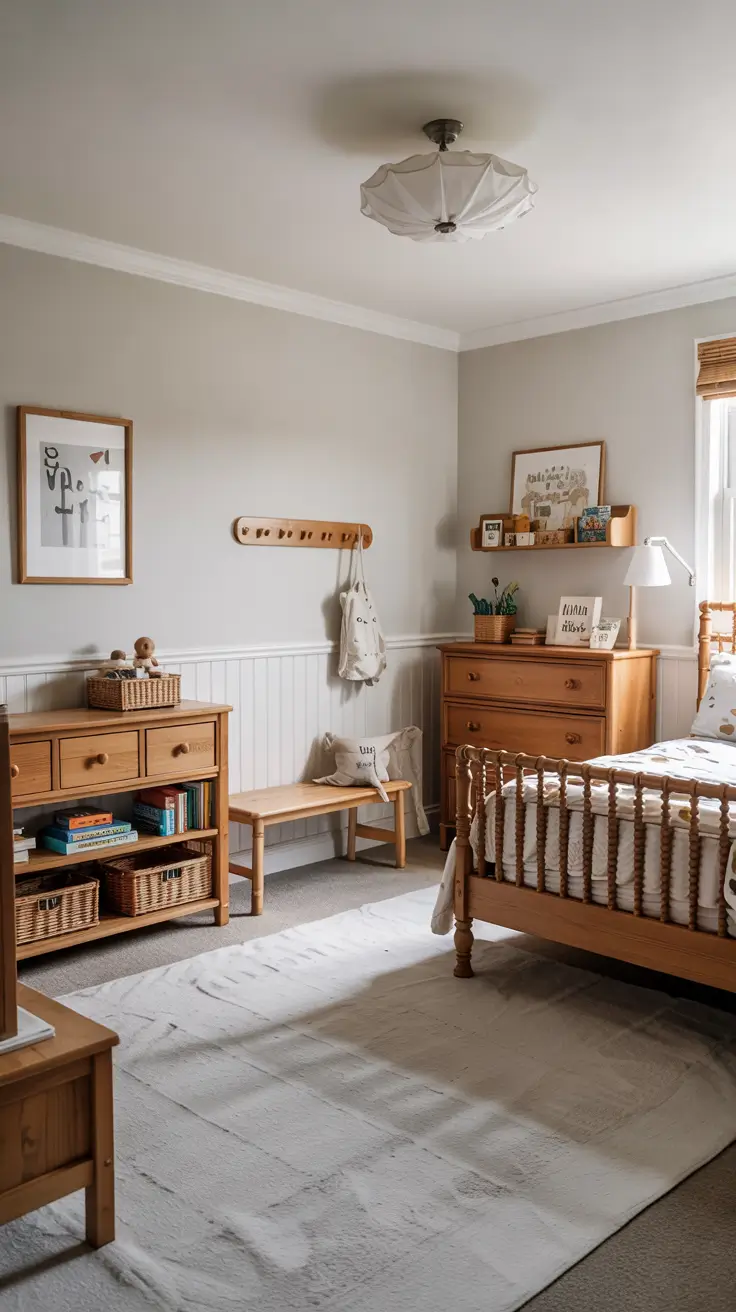
For furniture, I focus on pieces that look residential rather than purely kid-branded. A classic spindle bed or upholstered headboard, a sturdy dresser, and a bookshelf with matching baskets create visual calm. I often include a small table or activity surface that can later become a homework desk, because that flexibility is part of the appeal. Wall hooks, a simple bench, and a lidded hamper help maintain order without constant effort. When everything has a place, the room stays photo-ready and genuinely functional.
In my experience, the most useful lesson from the three birds renovation kids room approach is restraint. Instead of many small decorations, I pick a few larger elements – one big rug, one statement light, and a coherent set of storage containers. I also recommend keeping a “reset routine” in mind, something design and organization experts frequently advise – a two-minute nightly pickup is only possible when storage is simple and reachable. That habit protects the design and lowers stress for everyone. The room becomes easier to live with, not just nicer to look at.
What I would add here is a small list of finish pairings that consistently work – for example warm white walls with light oak and soft blue textiles – so readers can copy a complete palette quickly. I would also add a layout example for shared rooms, because this style adapts well to two kids in one space.
5. Room Renovation For Kids Focused On Comfort And Function
A room renovation for kids succeeds when comfort is engineered into the space, not added as an afterthought. I look at how the child sleeps, plays, and calms down, then design around those needs with soft lighting, quiet corners, and clear pathways. I prioritize acoustic comfort with rugs, curtains, and upholstered elements that reduce echo, especially in rooms with hard flooring. I also think about sensory comfort – not too many patterns, not too many bright colors, and a predictable place for everything. When the room feels calm, bedtime and transitions get noticeably easier.
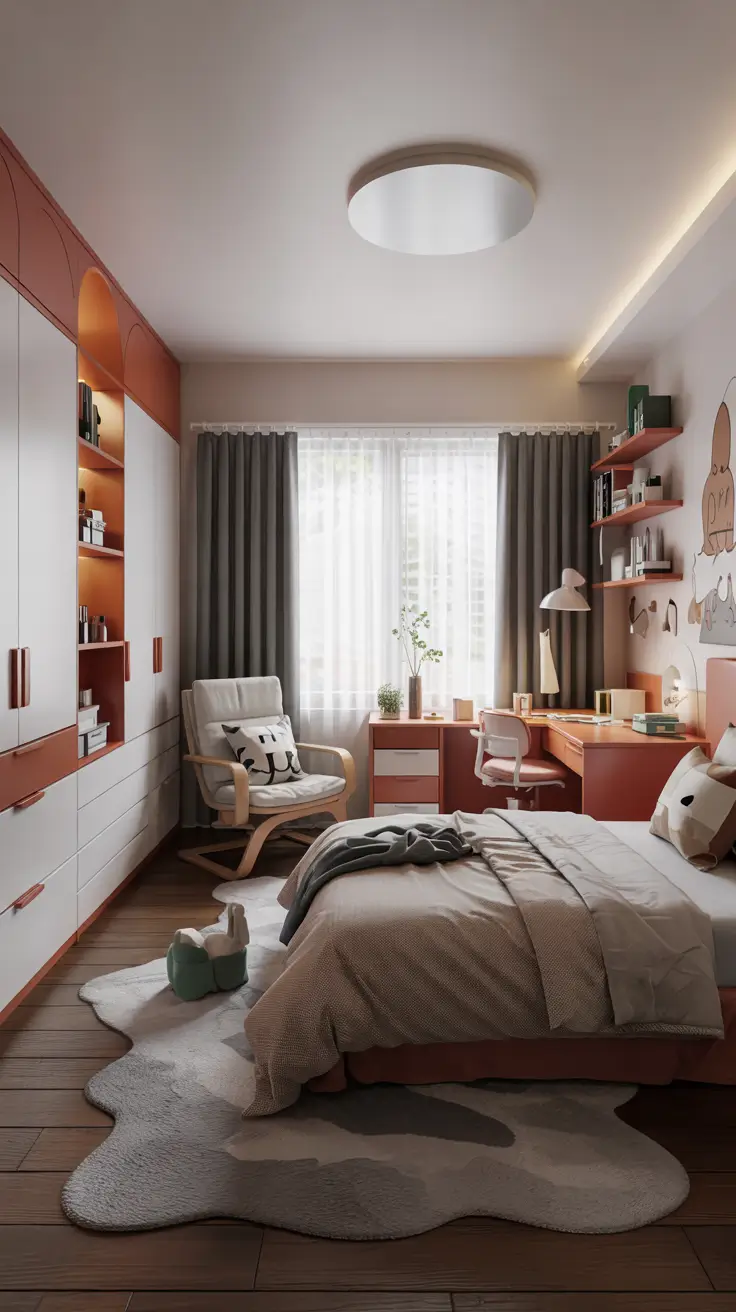
The furniture and materials are where comfort becomes practical. I prefer a supportive mattress, breathable bedding, and layered pillows rather than overly decorative sets that are hard to wash. For seating, a small lounge chair or beanbag in a durable fabric creates a safe landing spot for reading and decompression. I include storage that is easy for small hands – bins with handles, drawers that glide smoothly, and shelves that do not require climbing. And I always add a nightstand or bedside caddy because water, books, and a small lamp help kids feel secure at night.
My personal advice is to design the room to reduce daily friction. If your child struggles with morning routines, place clothing storage near where they get dressed and add a mirror at their height. If homework is a battleground, make the desk area bright, uncluttered, and stocked with only the essentials. Many child-friendly design articles in major home publications echo this idea – the room should support habits, not fight them. When the room matches the child’s real life, you see better sleep, better focus, and fewer power struggles.
What I would add in this section is a short comfort checklist – light temperature, noise control, and storage accessibility – so readers can evaluate their current room quickly. I would also add examples of calming color palettes that still feel modern in 2026.
6. Diy Kids Room Renovation Projects Parents Can Handle
A diy kids room renovation can look fully professional if you focus on high-impact updates that do not require major construction. I often start with paint, because it changes the mood faster than anything else, and I choose washable finishes that can survive fingerprints. Simple upgrades like swapping light fixtures, adding new hardware to dressers, and installing picture ledges can transform the room in a weekend. I also like removable wallpaper or decals for a feature wall, since it delivers style without long-term commitment. The key is choosing projects that improve function and durability, not just appearance.
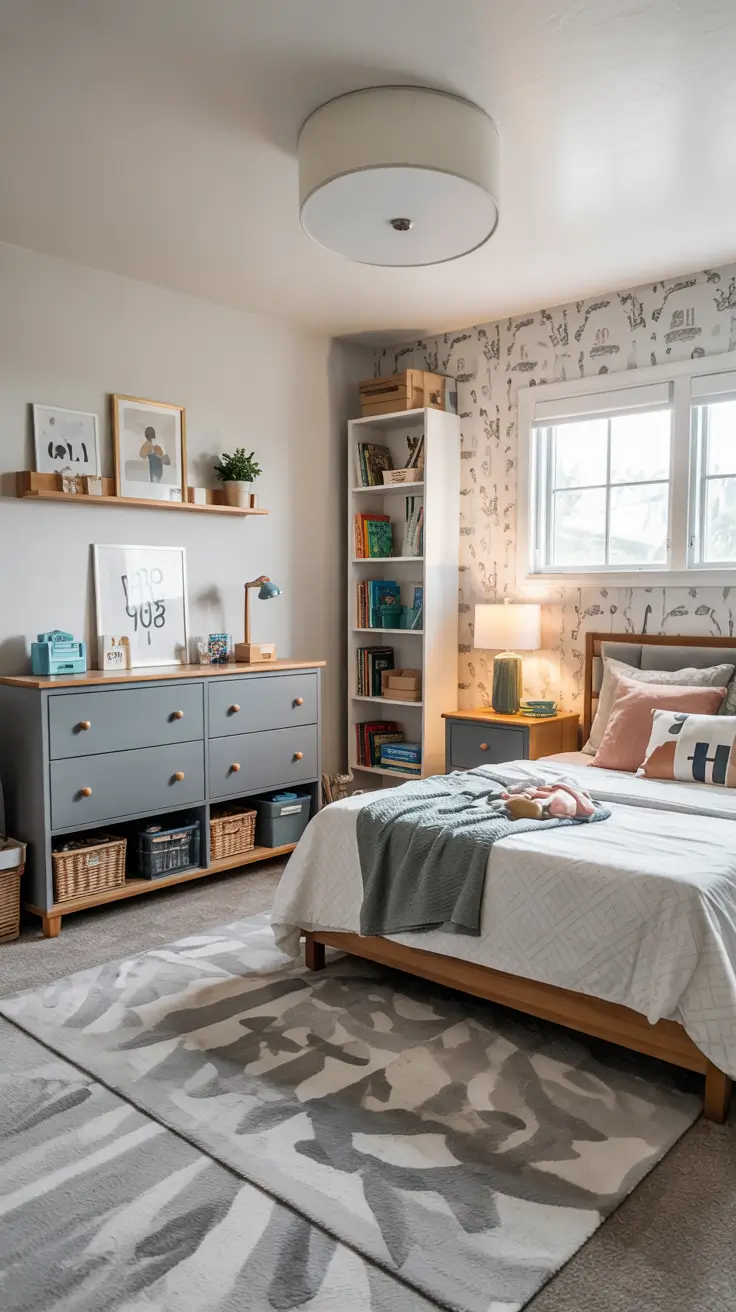
The best DIY wins usually involve storage and organization. I install wall hooks, add a shelf above the desk, and use labeled bins inside a closet to make categories obvious. A basic IKEA-style system can be customized with nicer fronts or paint, and it still stays budget-friendly. I also build a “book forward” display using ledges so covers face out, which encourages reading and keeps the room visually tidy. If the room is small, I use under-bed rolling bins and a slim vertical bookcase to reclaim floor space.
From my own projects, I can say that DIY feels easiest when you limit the palette and repeat materials. If you pick one wood tone and two main colors, almost everything you add will look cohesive. I also recommend a common pro tip shared by many home improvement experts – do the messy work first, then the clean styling last, because it keeps your motivation high. Photograph the room before you start so you can see progress, especially if you work in stages. That small psychological trick helps you finish strong.
What I would add here is a starter tool list and a simple order of operations – patch, paint, install, organize, style – so readers do not get stuck mid-project. I would also add safety notes for anchoring furniture and managing cords, because DIY upgrades often introduce new hazards if skipped.
7. Three Birds Renovation Kids Room Color And Storage Ideas
Color and storage are the two levers I use to make a kids room feel larger, calmer, and easier to maintain, and the three birds renovation kids room vibe is a useful reference point for that balance. I start with a light wall color and then add one defined accent, like dusty blue built-ins or a warm terracotta reading nook, so the room has identity without overwhelm. Storage becomes part of the architecture when you repeat shapes and materials, such as matching baskets in open shelves or a long dresser that anchors a wall. I also like using color to visually “zone” the room – a soft paint block behind the desk, or a gentle stripe that frames the play area. These moves look modern and help kids understand where activities happen.
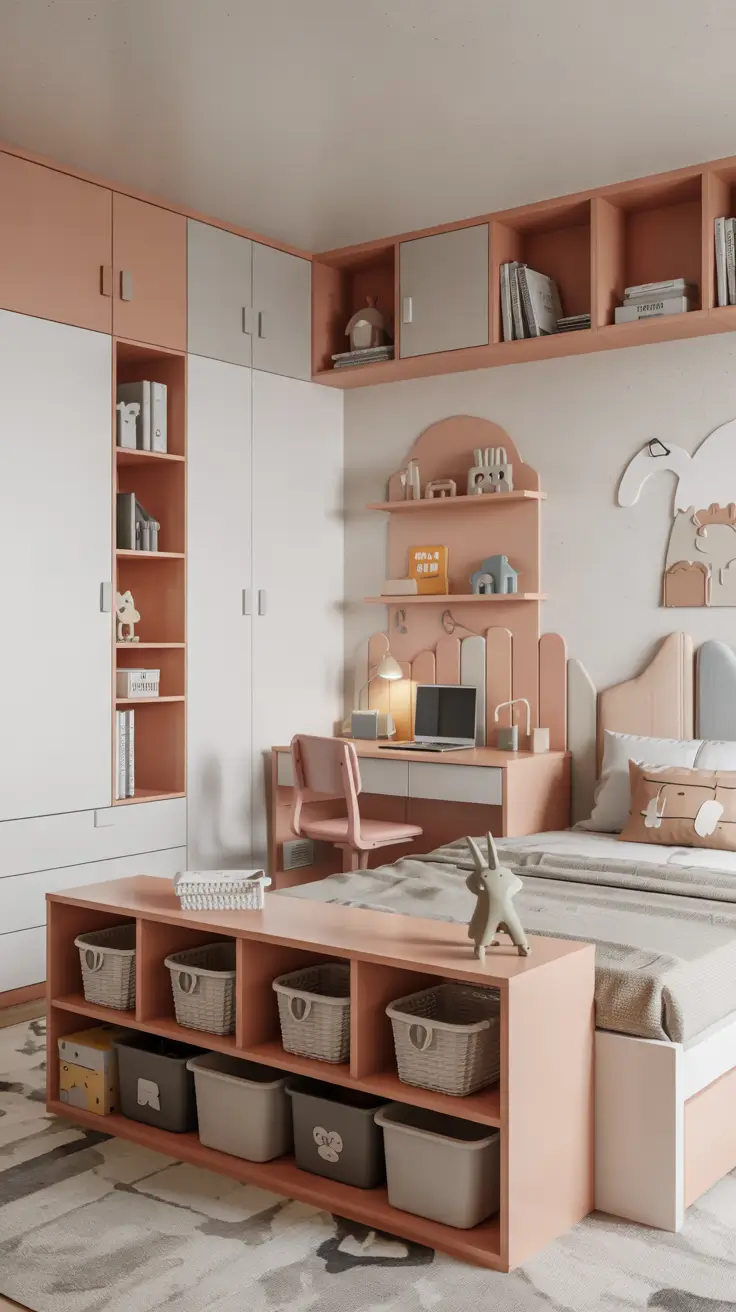
For storage, I use a mix of closed and open solutions. Closed storage like drawers and cabinets hides the messy categories, while open shelves display books, a few toys, and meaningful decor. I like a tall wardrobe or closet system for clothing, a low cubby unit for toys, and a dedicated art supply caddy near the desk to prevent materials from spreading across the room. Under-bed drawers or bins are great for seasonal items, puzzles, or extra bedding. When storage is designed around categories, kids can actually reset the room without adult help.
My strongest opinion is that color should support routines, not compete with them. I have seen bright, high-contrast rooms energize kids at bedtime, so I lean toward softer tones and warm lighting in the evening zones. Many well-known interior outlets regularly highlight the same principle – keep the base calm, then layer in personality through textiles and art that can be updated as interests change. If you want bolder color, put it in places that do not dominate the field of view from the bed. That keeps the room fun and still sleep-friendly.
What I would add to complete this section is a practical storage formula by age – what to store openly for toddlers versus older kids – plus a quick guide for basket sizes that fit common cubby systems. I would also add a few example color pairings that photograph well but still feel soothing in real life.
8. Small Kids Room Renovation Ideas For Maximum Space
In a small room, I start by treating the layout like a puzzle and assigning every wall a job. I focus on keeping a clear walkway from the door to the bed because kids move fast and clutter creates daily friction. I like light, warm wall colors and one stronger accent tone to keep the room open but not bland. For 2026, I see more families choosing flexible zones instead of a single theme, so the room can evolve without a full redo. When space is tight, I prioritize vertical solutions and furniture that does double duty.
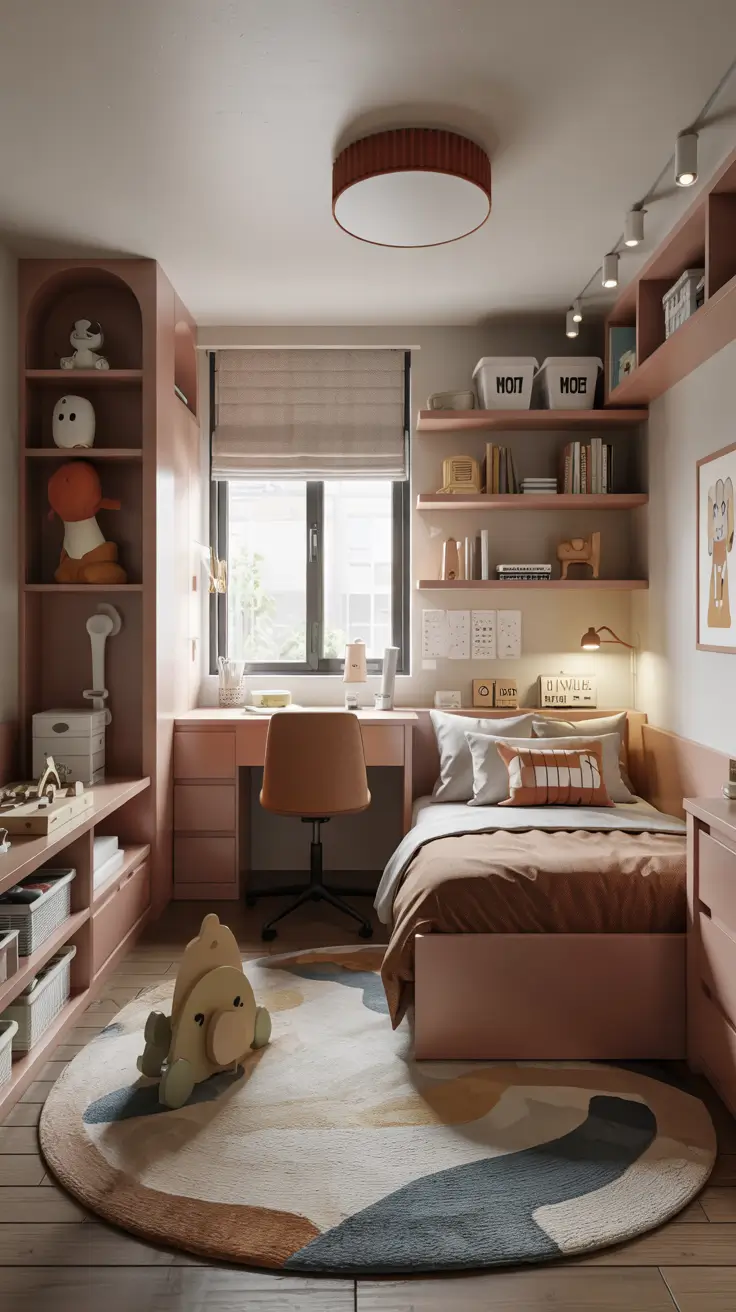
The anchor pieces I reach for are a compact bed with drawers, a tall dresser, and a wall-mounted shelf system. A loft bed can be great, but only if the ceiling height and your child’s age make it safe and comfortable. I often add a slim desk that can tuck under a window and a pinboard or rail above it for rotating art and schedules. A large rug helps define the play area and softens sound, which matters in small rooms where echoes can feel intense. I finish with layered lighting: ceiling light for general use, a reading sconce, and a small task lamp for crafts.
From my experience, the biggest win comes from storing by category, not by object. Toys in open bins look tidy only when the bins are limited and clearly assigned, so I keep the number of containers small and consistent. Professional organizers often recommend making storage easy enough that a child can reset the room in a few minutes, and I agree with that approach. I also keep one open zone on purpose, because kids need floor space more than they need another decorative shelf. A small room can feel surprisingly calm when the layout supports quick cleanup.
What I would add to this section in a real project is a quick measurement plan and a simple zoning sketch. I would also include a checklist for outlet placement, cord management, and a plan for wall protection near the bed and desk. If the room will serve siblings, I would add notes on shared storage labels and how to divide closet space fairly. Finally, I would include a seasonal edit routine so the room stays functional without constant reorganizing.
9. Rv Kids Room Renovation Ideas For Family Travel
A travel setup has different rules than a typical bedroom, so I plan the design around safety, weight, and easy cleaning first. I like a modern, calm palette that matches the rest of the RV, then I bring in personality through removable textiles. In 2026, I see more families treating the RV kids area as a true sleep zone, not a temporary corner. That means better lighting, better ventilation, and a clear routine for storing items before driving. I also plan for noise control, because an RV amplifies sound and kids need predictable rest.
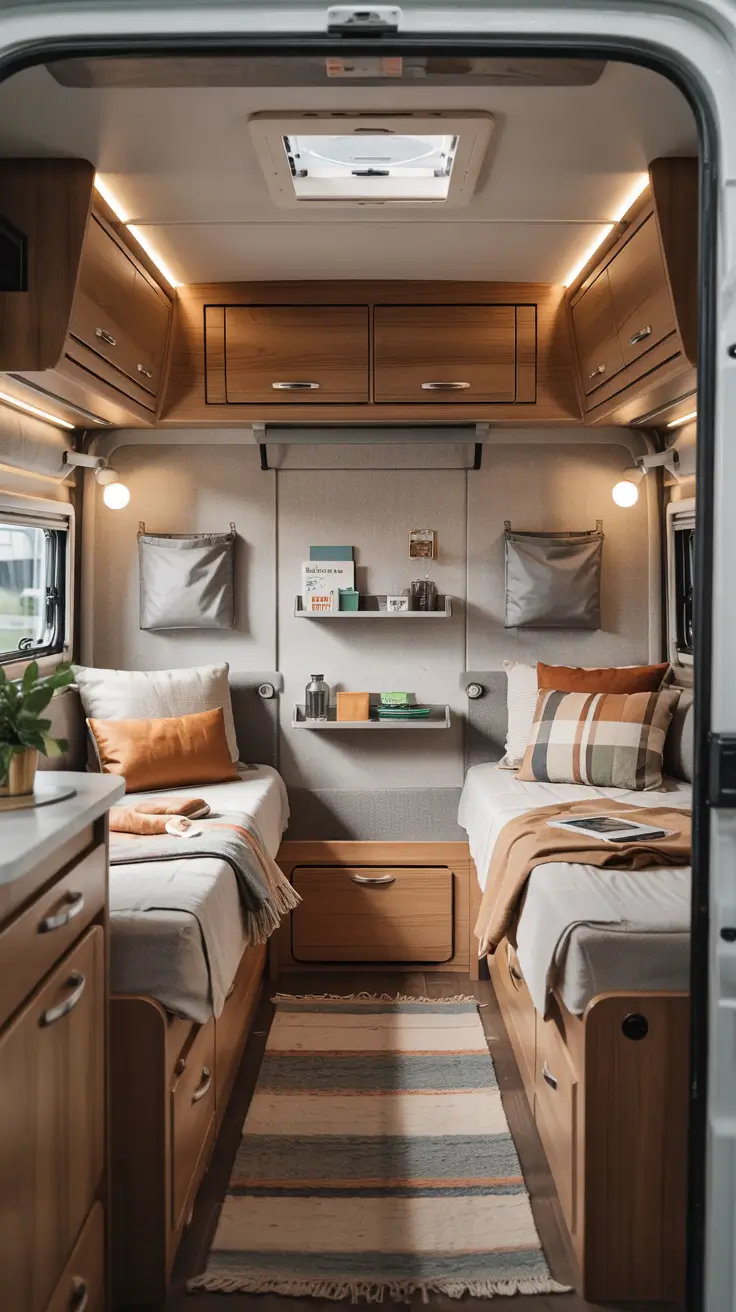
The furniture choices usually include a bunk or convertible dinette bed, a small wall pocket organizer, and a narrow cabinet that latches. I prefer soft-close latches and rounded corners, because bumps are more common in a moving space. I add a reading light with a warm tone, plus a tiny shelf for a water bottle and a book so bedtime feels familiar. A thin, washable rug runner helps define the zone and makes the floor feel less cold in the morning. For decor, I use lightweight framed prints with secure mounting, or fabric wall hangings that will not rattle.
In my opinion, the best rv kids room renovation is the one that reduces daily setup time. I have found that if a child can reach their pajamas, a favorite toy, and a book without help, evenings go smoother. Many RV safety guides emphasize securing everything for travel, and I treat that as a design requirement rather than an afterthought. I also recommend a small, dedicated “travel reset” bin where loose items go before driving. That single habit protects the space and lowers stress.
What is usually missing in RV plans is a clear storage map and a test-drive checklist. I would add a list of what must latch, what must be removed from surfaces, and what can stay out safely. I would also add a note about breathable bedding and how to avoid moisture buildup near bunks. If the RV will be used across seasons, I would include a plan for layering blankets without creating bulk. Finally, I would add a simple night-light strategy for midnight bathroom trips.
10. Camper Renovation Kids Room Layouts That Feel Like Home
A camper can feel cozy instead of cramped when the design borrows cues from a real bedroom. I like to create a “headboard moment” even in a bunk, using a padded panel, wallpaper, or a fabric-covered board that is securely attached. For 2026, modern campers often lean toward warm wood tones and soft neutrals, which makes the kids area feel less like a temporary cabin. I keep the layout visually simple so the space feels bigger, then I add a few playful details that are easy to swap. The goal is a space that supports rest, not just storage.
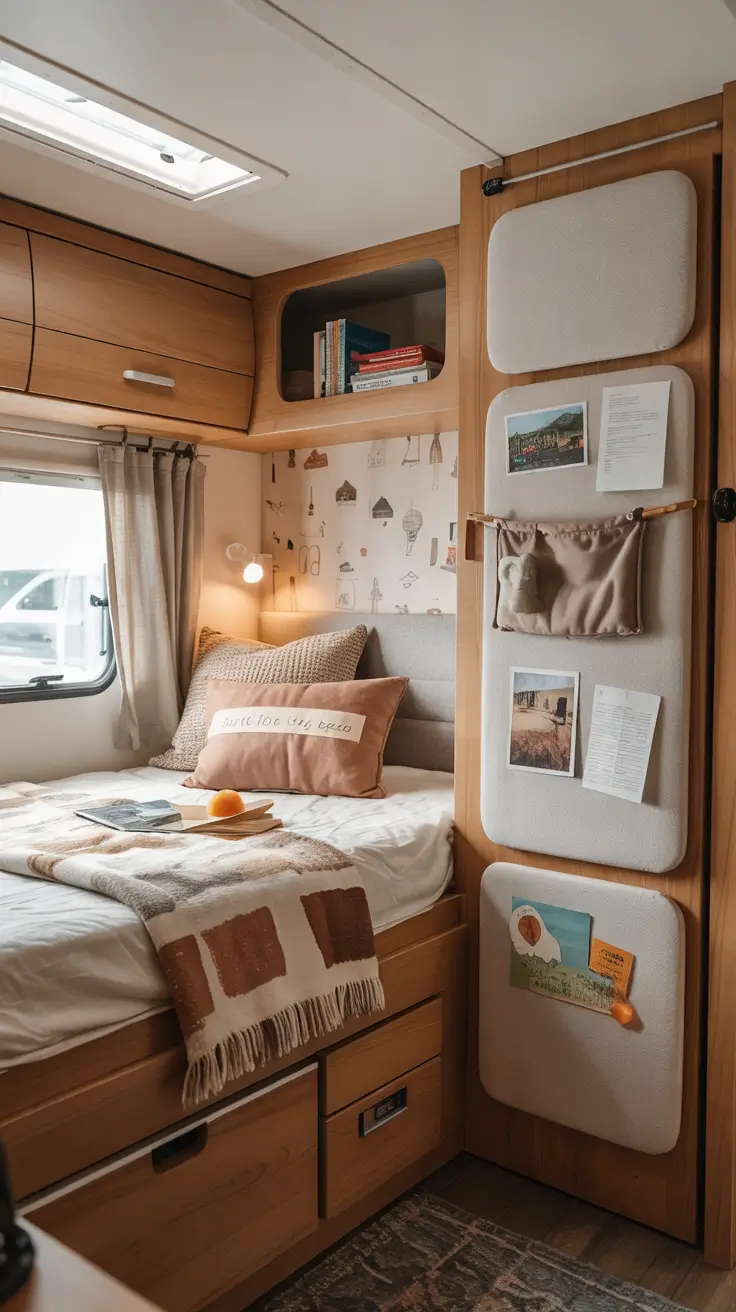
I typically include a bunk with a proper mattress upgrade, a fitted sheet set that matches the camper’s palette, and a compact cubby system for personal items. I add a small curtain or sliding panel for privacy if siblings share, because it reduces friction during downtime. A slim magnetic board or clip rail lets kids display postcards and drawings without messy adhesives. Under-bunk drawers are ideal when they latch, and I prefer soft bins for lighter items like stuffed animals. For lighting, I use a warm reading light and a low night light that does not glare.
From my experience, “feels like home” comes from routines and textures more than it comes from decorations. I like cotton bedding, a soft throw, and one comfort object stored in the same place every day. Design editors at major home outlets often recommend keeping kids spaces flexible and avoiding too many theme-specific items that date quickly, and that applies even more in a camper. I also keep a small scent-free fabric spray and washable covers, because travel spaces collect odors faster. When the camper looks calm, kids settle down faster after a busy day.
What I would add here is a clear plan for ventilation and fabric choices. I would also include a note on choosing wall finishes that can handle temperature swings and humidity. If the camper has limited power, I would add guidance on low-energy lighting options and how to position them to avoid glare. I would also add a storage rule for travel days versus parked days, since the same space needs two modes. Finally, I would include ideas for a compact “quiet time” kit that fits in one bin.
11. Smart Storage Ideas For Kids Room Renovation
Storage is the backbone of any renovation, and I treat it like part of the architecture rather than an accessory. In 2026, the most functional kids rooms use a mix of closed storage for visual calm and open storage for daily grab-and-go items. I start by deciding what must be reachable by the child, what needs adult control, and what can be seasonal. I also plan storage by activity: art, reading, building, dress-up, and sports. That approach reduces the daily pile-up that happens when everything shares one bin.
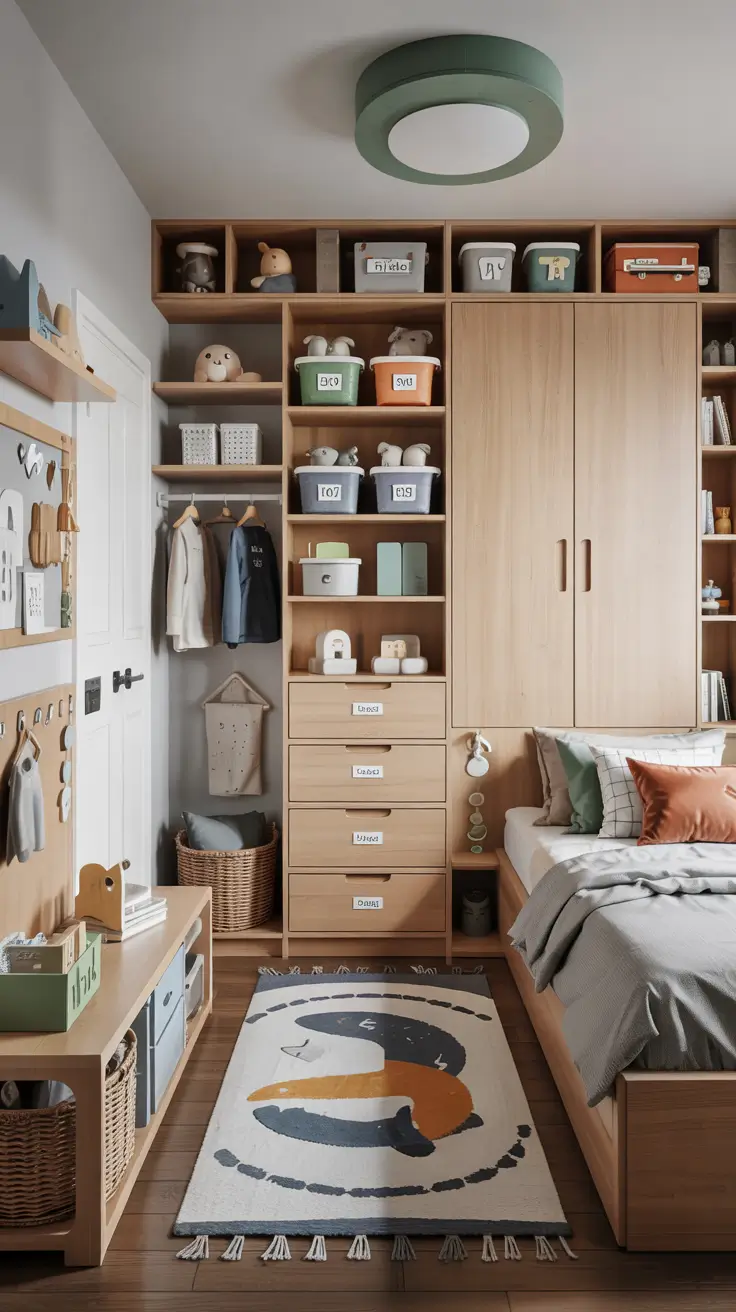
My go-to pieces are a modular closet system, a low bookcase, and labeled drawers that slide smoothly. I like clear, consistent bins for smaller toys because they stack well and make categories obvious. A bench with interior storage works well near the door for shoes and backpacks, and it also creates a natural landing zone. Under-bed drawers are excellent for bulky items like extra bedding, and wall hooks at kid height support independence. I also install a top shelf for keepsakes and overflow, so the main storage stays realistic.
In my opinion, smart storage is less about having more space and more about reducing decisions. When every category has a home, cleanup becomes routine instead of a negotiation. Many professional organizers recommend rotating toys to reduce clutter and increase engagement, and I have seen that work repeatedly. I also recommend limiting display shelves, because too many “special items” create visual noise. A calmer room tends to support better sleep and better focus.
What I would add is a simple labeling system that can evolve as the child grows. I would also include a plan for paper management, like a file box for schoolwork and a rotating display frame for art. If the room is shared, I would add color-coded zones or dedicated drawers to prevent conflicts. I would also include guidance on anchoring tall furniture to the wall for safety. Finally, I would add a maintenance routine that takes five minutes a week.
12. Budget Friendly Diy Ideas For Kids Room Renovation
A budget renovation can still look modern if the changes focus on high-impact surfaces and practical upgrades. I usually start with paint, lighting, and layout before I spend money on new furniture. For 2026, simple color blocking, half-wall paint, or a painted arch behind the bed can give a designer look without major cost. I also like peel-and-stick wallpaper for a small feature wall, as long as the wall is properly prepped. The key is choosing changes that are easy to maintain and easy to update later.
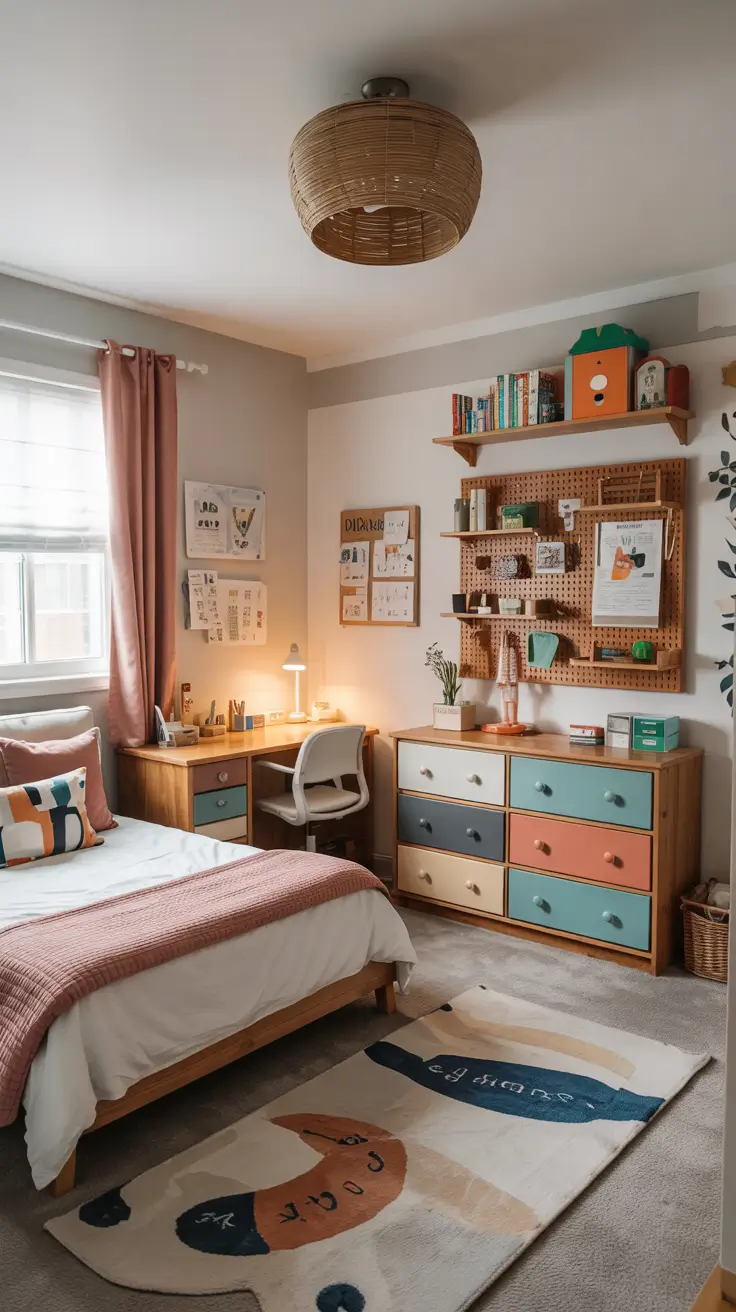
My favorite Diy moves include repainting a dresser, upgrading knobs, and adding a durable top coat. I also build simple picture ledges, install a curtain track for a reading nook, or add a pegboard for crafts. A secondhand desk can look new with sanding and a fresh finish, and I often swap in a better chair for comfort. I replace harsh overhead bulbs with warmer, energy-efficient lighting and add a simple dimmer where appropriate. For textiles, I choose washable curtains and a rug that hides wear while still feeling soft.
In my experience, the biggest budget mistake is buying trendy decor instead of fixing daily pain points. If the closet is chaotic, no amount of cute pillows will make the room feel better. Many home improvement pros emphasize planning and measuring before buying materials, and that advice saves money fast. I also recommend spending a little more on items that affect sleep, like blackout shades or a comfortable mattress. Those upgrades pay back every single day.
What I would add is a basic budget breakdown and a realistic weekend timeline. I would also include safety notes for paint curing, ventilation, and child-safe finishes. If you are doing a diy kids room renovation with older furniture, I would add guidance on checking stability and anchoring. I would also include a shopping list template to prevent duplicate purchases. Finally, I would add ideas for reusing what you already own, like turning crates into rolling storage.
13. Safe And Durable Materials For Room Renovation Kids Spaces
Safety is the part of design I never compromise on, especially in a kid’s room where surfaces are touched constantly. For 2026, I see more families choosing low-odor finishes, stain-resistant textiles, and flooring that is easy on joints. I aim for materials that handle spills, bumps, and marker incidents without looking worn. I also think about allergies and cleaning routines, because kids rooms should be healthy spaces. When materials are chosen well, the room stays beautiful with less effort.
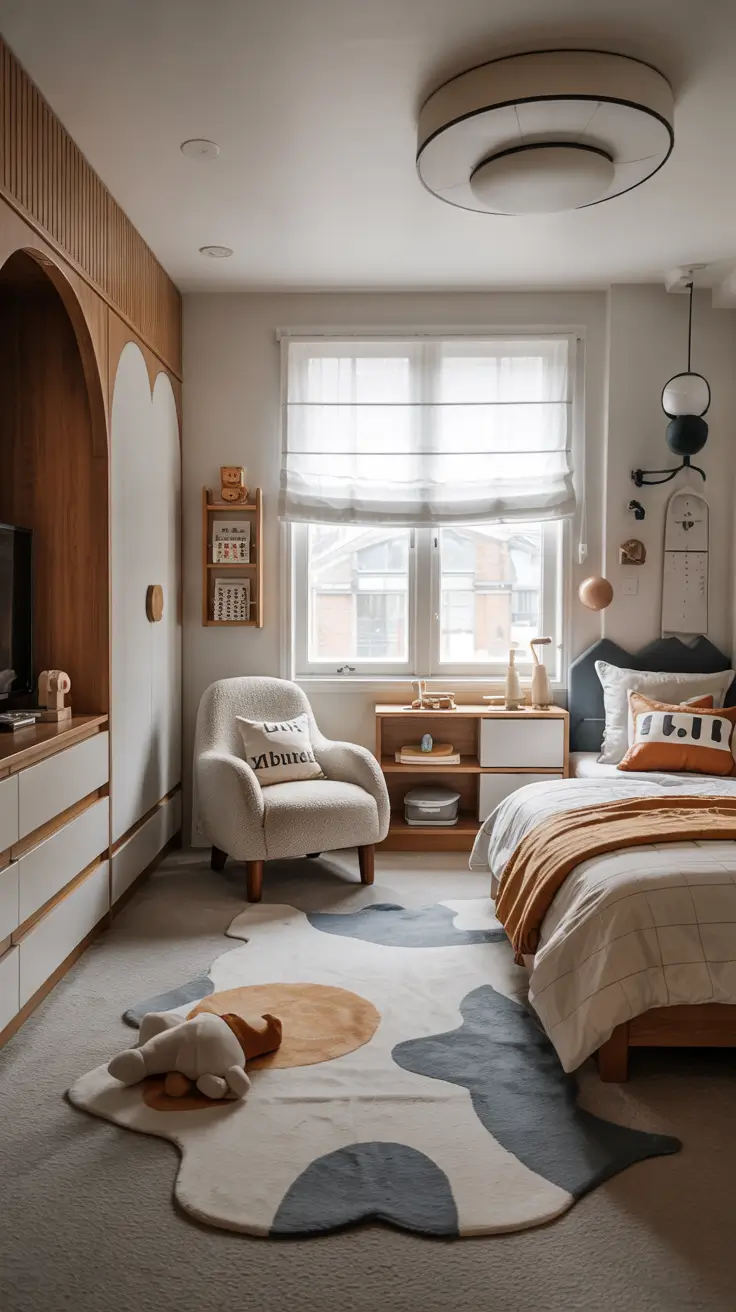
I prefer washable paint finishes that can be wiped down, and I avoid delicate wall coverings in high-touch areas. For flooring, I like sealed wood, quality laminate, or low-pile rugs that can be cleaned easily, depending on the home. Upholstery should be durable and ideally removable for washing, especially for reading chairs and cushions. I use rounded-edge furniture and avoid glass within reach, and I always anchor tall pieces to the wall. For window treatments, I choose cordless options to reduce risk and keep the look clean.
From my perspective, durable materials are also a sanity tool because they reduce daily rules. Kids can create, build, and play without you worrying about every scratch. Pediatric safety guidance often emphasizes reducing hazards like tip-over risks and cord dangers, and I treat those as core design requirements. I also recommend choosing finishes that will not show every fingerprint, which keeps the room looking tidy longer. A safe room feels calmer because everyone trusts the space.
What I would add is a material checklist for each zone: sleep, play, study, and storage. I would also include notes on VOC considerations, cleaning products that are kid-friendly, and how to test a surface for wipeability. If the room is in an older home, I would add guidance on surface prep before painting. I would also include tips for selecting rugs with non-slip pads. Finally, I would add a plan for corner protection where toddlers are present.
14. Play And Study Zones In Modern Kids Room Renovation
A modern kids room works best when it supports both energy and focus without forcing everything into one spot. I like to create clear zones: a sleep zone that stays calm, a play zone that can handle mess, and a study zone that supports attention. In 2026, flexible zoning is a strong trend because kids need rooms that shift with school demands and hobbies. I use rugs, lighting, and furniture placement to define areas instead of building walls. This keeps the room open while still feeling organized.
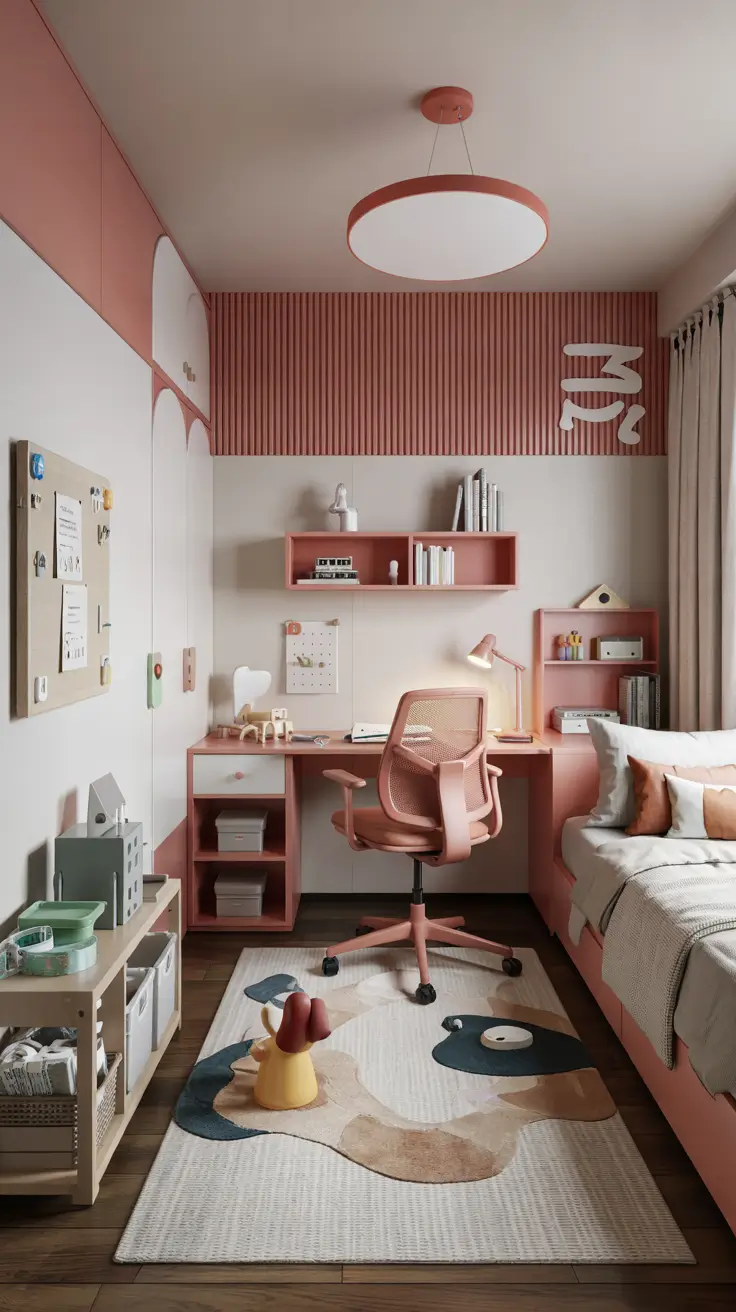
For the study zone, I choose a desk with enough surface for homework and a comfortable chair that fits the child’s height. I add a task lamp, a small drawer unit, and a simple wall shelf for books and supplies. For the play zone, I like a low storage unit, a soft mat or rug, and a clear bin system that makes cleanup quick. I often include a reading corner with a chair or floor cushion and a small shelf for a rotating book selection. To keep the room cohesive, I repeat colors and materials across all zones.
In my experience, zoning reduces arguments because kids know where each activity belongs. When the study area is distinct, it is easier to start homework and easier to stop when it is done. Many educators and design writers emphasize minimizing visual distractions near the desk, and I have seen a cleaner wall and fewer desk items improve focus. I also like keeping screens out of the sleep zone when possible, because bedtime routines become smoother. A room that supports both play and learning is a room that grows with the child.
What I would add is guidance on ergonomic setup and lighting placement. I would also include a simple plan for cable management and device charging that does not create clutter. If multiple kids share the room, I would add ideas for shared play zones but separate study spots. I would also include tips for sound control, like fabric panels or thicker rugs, if the home is noisy. Finally, I would add a strategy for updating zones as the child’s interests change.
15. Zoned Layout With A Future-Proof Activity Wall
I design this idea around clear zones, so the room feels bigger and works harder without adding more furniture. I divide the space into sleep, study, and play, then connect them with one “activity wall” that can evolve over time. In 2026, I see more parents asking for rooms that support creativity without constant mess, and zoning solves that. The activity wall is the anchor because it gives kids a place to draw, build, read, and display, all in one organized area. This approach is especially helpful in room renovation for kids projects where the room has to handle multiple ages or changing schedules. It also adapts well if you are inspired by three birds renovation kids room style, where practical comfort and layered details matter.
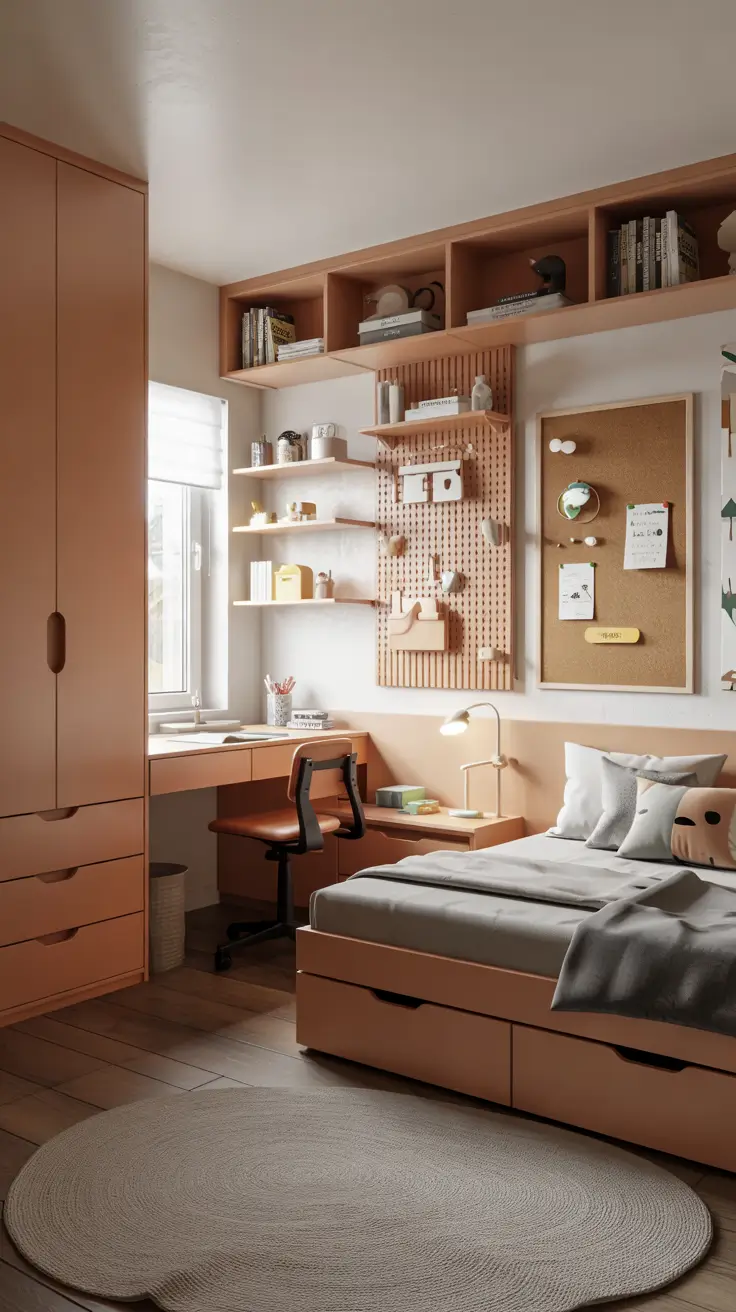
For the furniture, I start with a bed that has underbed drawers or a simple trundle, because storage near the floor is easy for kids to use. I place a compact desk near daylight, then add a wall-mounted peg rail or slat system with adjustable shelves, hooks, and bins. I like a low book ledge, a shallow display shelf for rotating favorites, and a closed cabinet for the visually noisy stuff like crafts and spare toys. For the activity wall surface, a framed cork panel plus a wipeable board works well, and it feels cleaner than covering a whole wall in chalk paint. I finish the zone with a soft rug for acoustics and comfort, and I use sconces or a plug-in wall lamp so the desk stays uncluttered. If you are doing diy kids room renovation, the wall system is the smartest “one weekend” upgrade because you can install it without changing the whole room.
From experience, the difference is not just organization, it is behavior and mood. When each zone has a purpose, kids naturally bounce between play and focus without dragging everything onto the bed. I also find that a flexible wall reduces the urge to redecorate every year, because you can refresh the room by swapping artwork, baskets, and shelf styling. A practical guideline I follow is to balance open and closed storage so the room looks calm even when life is busy. I also keep the activity wall height kid-friendly, because independence is part of good design. If your room has awkward angles like in an attic renovation kids room, I push storage into the lowest or tightest areas and keep the open floor where headroom is best.
What I would add next, based on your specific room, is a simple “growth plan” for the wall and zones over the next three years. I would list what stays constant, like the desk location and the closed storage, and what changes, like toy bins becoming hobby bins, then tech bins later. I would also add a lighting check, making sure there is one warm ambient source, one task light at the desk, and one dimmable bedtime option. If the room is small, I would measure and choose one piece to go vertical, like a tall wardrobe or wall cabinets, so the floor stays open. Finally, I would add a materials note, choosing wipeable paint, washable textiles, and durable hardware so the renovation holds up to real use.