Open kitchens are the heart of the home in 2026, and I keep seeing how small cabinet changes can completely shift the feel of the space. Are you trying to make an open layout look calmer and more cohesive, or are you mainly chasing better storage and everyday function? In this article, I will share open kitchen cabinet makeover ideas and open concept kitchen cabinet makeover ideas that work in real homes, not just in showrooms. I will walk through finishes, layouts, and styling decisions that help your kitchen feel larger, brighter, and easier to live with.
1. Modern Open Kitchen Cabinet Makeover Trends For 2026
In 2026, I notice open kitchens leaning into warmer, quieter finishes that still feel modern and clean. Instead of sharp contrast everywhere, the trend is a softer mix of tones that connects the kitchen to the living area. I like combining matte cabinet fronts with a low sheen backsplash so the room reflects light without looking glossy. Integrated pulls and slim hardware help the cabinet lines look simpler, which matters even more in an open plan. I also see more people choosing layered lighting so cabinets look intentional both day and night. The practical goal is a kitchen that reads like part of the living space, not a separate work zone.
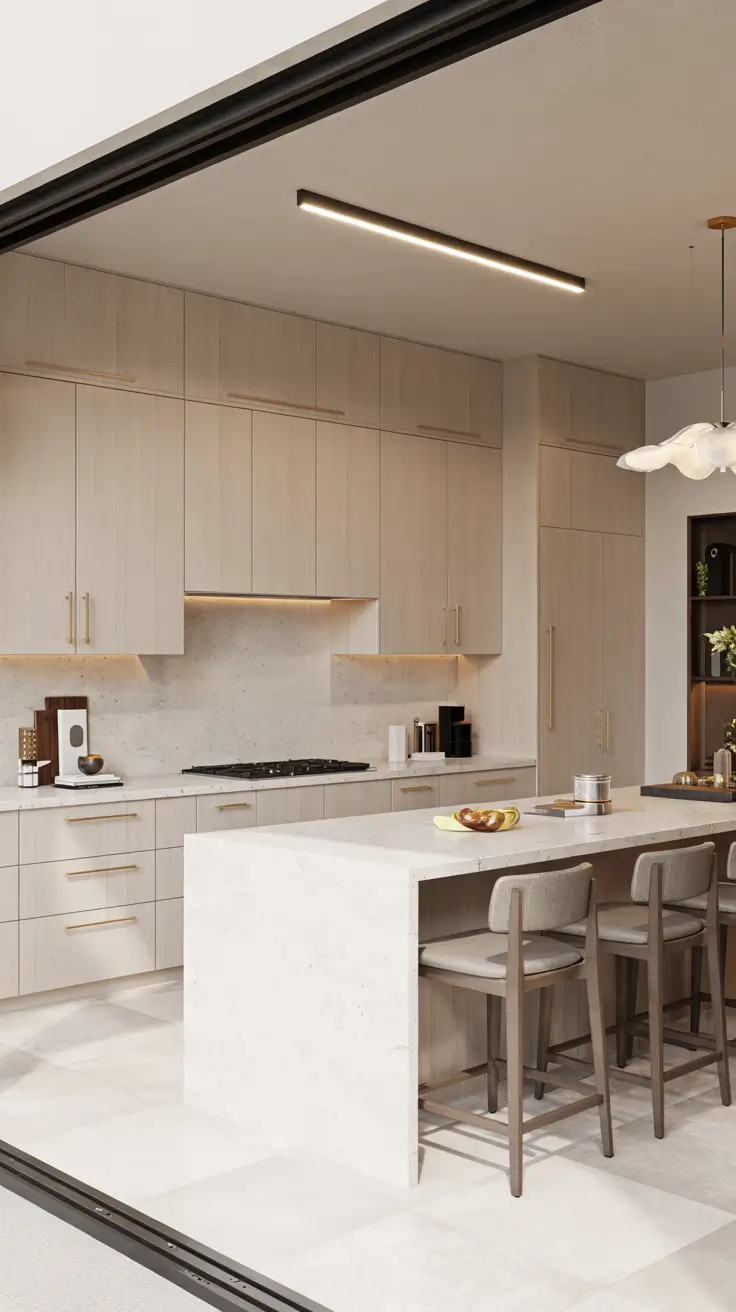
For the makeover, I start with cabinet color and door style because they set the visual temperature of the entire room. Flat panel or slim shaker doors work well because they look current but not trendy in a way that will feel dated quickly. I usually pair that with a durable, wipeable paint or lacquer finish, and I pay attention to how it looks under warm bulbs. Under cabinet lighting and toe kick lighting make cabinets look custom and improve task visibility at the same time. If the kitchen opens to a lounge area, I like repeating one finish from the living room, such as a wood tone or metal accent, on the cabinet hardware. Small upgrades like soft close hinges and new drawer glides also change the daily experience more than people expect.
From my experience, the best trend to follow is the one that makes your kitchen easier to maintain while still matching the rest of the home. I have had the most success when I choose finishes that hide fingerprints and smudges, especially for households that cook often. I also try to avoid extreme whites if the space gets strong afternoon sun, because it can feel harsh. A calmer palette lets decor and food be the color, which keeps the room from feeling busy. If you want the kitchen to feel more premium without rebuilding, I focus on lighting, hardware, and consistent finishes first. These upgrades deliver the most visible impact without forcing a full remodel.
To complete this section, I would add a quick checklist of finish samples to test in your space before you commit. I would also include guidance on choosing bulb color temperature so the cabinet color stays accurate at night. It helps to note how to photograph your kitchen in different light to compare options objectively. I would add a short note about ventilation and how steam and grease can affect cabinet finishes over time. Finally, I would include a simple maintenance routine that keeps matte cabinets looking even and clean.
2. Open Concept Kitchen Cabinet Makeover Ideas For Spacious Living
When a kitchen opens into a large living area, I treat the cabinets like the main furniture piece, because they are visible from everywhere. In spacious layouts, the risk is that the kitchen can feel like a long row of boxes instead of a designed zone. I like building a sense of rhythm with tall pantry units, lower runs, and one visual break such as a hood surround or a feature wall. Keeping the cabinet palette consistent across long walls prevents the open concept from feeling chopped up. I also try to anchor the layout with an island that feels like a table, not just a work slab. The goal is to make the kitchen look balanced from the sofa view.
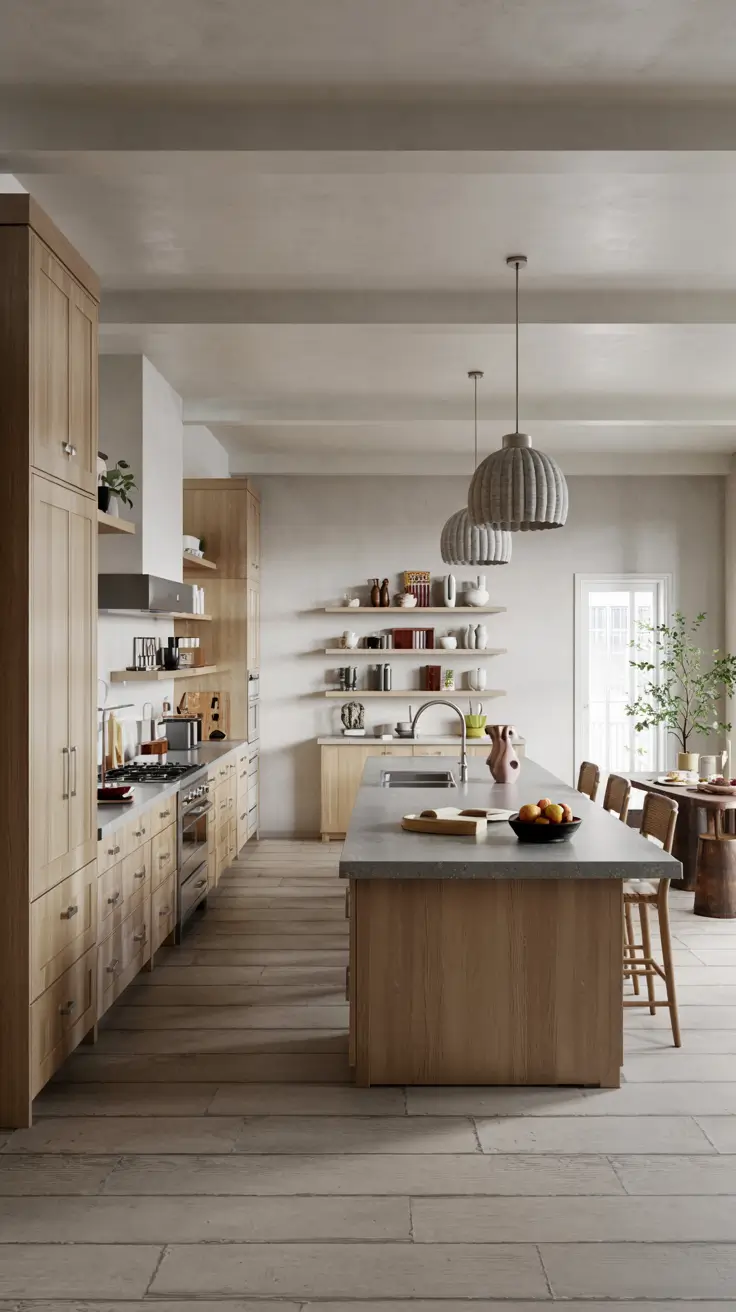
In these makeovers, I prioritize large scale elements that read well from a distance. Full height cabinets to the ceiling look cleaner in open rooms and reduce dust catching ledges. I like adding an island with seating that faces the living space, because it supports conversation and keeps the cook connected. If space allows, I include deep drawers for pots and pantry pullouts so the counters stay clear. I often choose a waterfall edge or thicker countertop profile to give the island a furniture-like presence. For the backsplash, I keep it simple and continuous, because busy patterns can look chaotic in an open sightline.
In my own projects, I find that spacious open concept kitchens feel best when I limit the number of materials and repeat them with discipline. I prefer two main cabinet finishes at most, then one countertop, then one metal accent across lighting and hardware. If you love contrast, I use it in one place, like a darker island, rather than sprinkling it everywhere. I also like placing art or a sculptural object on open shelving only if the rest of the kitchen is very calm. A spacious layout should feel restful, and the cabinets are the biggest contributor to that mood. If you are unsure, I recommend standing in the living room and evaluating the cabinets like you would evaluate a media wall.
To finish this section, I would add a small layout guide that explains island spacing and walkway clearances in plain terms. I would also include suggestions for where to place trash and recycling so it stays hidden but convenient. It would help to add advice on choosing bar stools that match the cabinet style and do not block the view. I would also add a note on acoustic comfort, because hard cabinet surfaces can increase echo in open spaces. Finally, I would include tips for hiding small appliances so the open concept view stays tidy.
3. Open Kitchen Cabinet Makeover Ideas With Minimalist Design
Minimalist cabinet makeovers work especially well in open kitchens because they reduce visual noise. I look for clean lines, continuous surfaces, and a palette that feels intentional rather than plain. The key is removing fussy details, but still adding depth through texture and lighting. I often choose a soft neutral cabinet color and pair it with subtle stone or a quiet backsplash tile. In 2026, minimalist kitchens are less cold and more tactile, using warm woods or gentle off whites. The practicality comes from fewer things on the counter and smarter storage inside the cabinets.
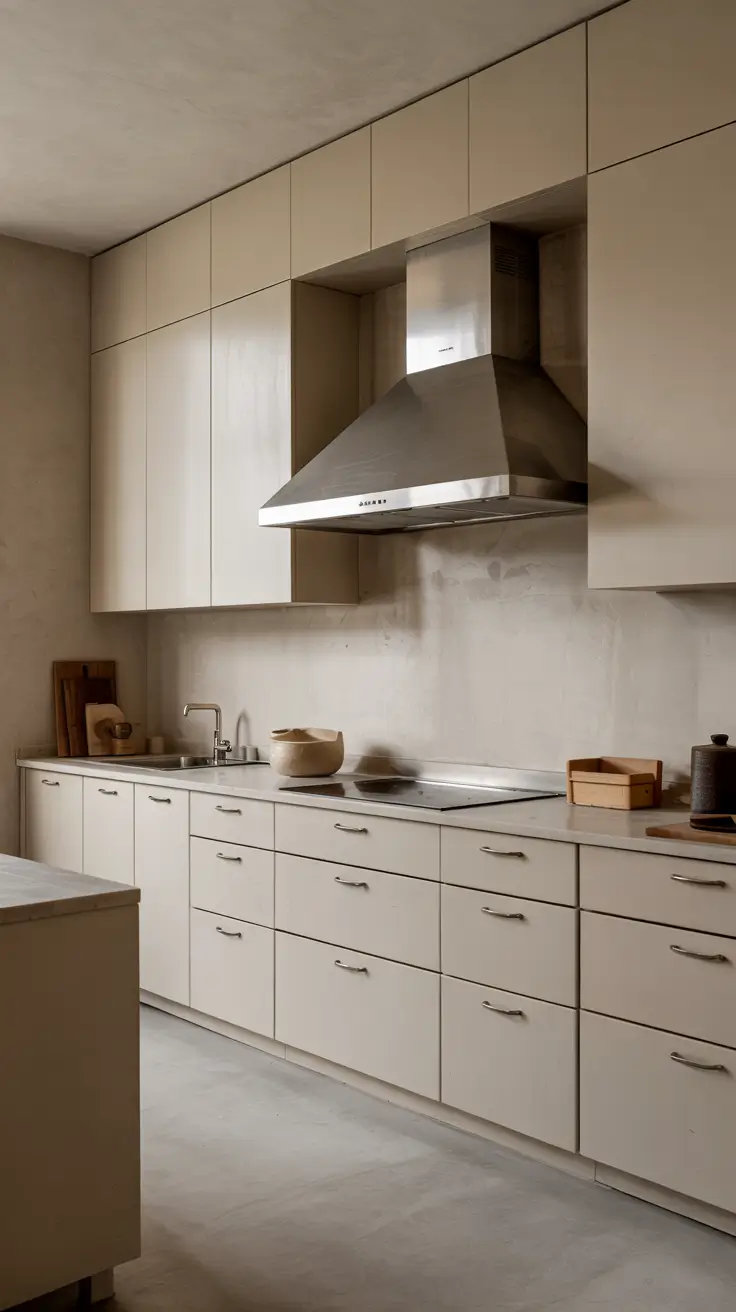
For a minimalist approach, I focus on flat panel doors, integrated pulls, and consistent reveals between doors and drawers. I like handleless styles when they are easy to clean, but I also use slim pulls if fingerprints are a concern. Inside, I add drawer dividers, spice inserts, and tray storage so every item has a place. I keep the countertop mostly clear, then choose one strong focal element, like a sculptural pendant or a statement faucet. If I include open shelving, I keep it limited and align it with cabinet lines so it feels architectural. I also prefer concealed outlets and a simple range hood to maintain the clean look.
In my experience, minimalist design only works if the storage plan is honest about how you live. I always ask myself what must stay on the counter every day, then I build storage around those realities. I have seen minimalist kitchens fail when people copy the look but skip the organizing systems. I also think minimalist kitchens photograph better when the lighting is layered and warm, not overly bright. A small plant or a single ceramic bowl can add life without breaking the style. My advice is to treat minimalism as editing, not as removing personality.
To complete this section, I would add a short guide to choosing cabinet sheen and how it affects fingerprints and glare. I would also include examples of minimalist hardware options and when to pick each type. It would help to add a simple plan for “countertop zones” so you keep the look clean while still cooking comfortably. I would also add notes about choosing easy-care materials that still feel elevated. Finally, I would include a small list of organizing inserts that make minimalist cabinets actually function.
4. DIY Kitchen Cabinets Makeover Ideas With Open Shelving
If you want a big visual change without a full renovation, DIY kitchen cabinets makeover ideas open shelving can be a smart move. Open shelving breaks up upper cabinet mass and can make an open kitchen feel lighter and more social. I like this approach when the kitchen needs breathing room or when natural light is blocked by heavy uppers. The trick is choosing shelving that looks intentional, not temporary. In open layouts, shelves become part of the decor, so they must stay tidy and consistent. This idea is practical when you use the shelves for everyday items you reach for often.
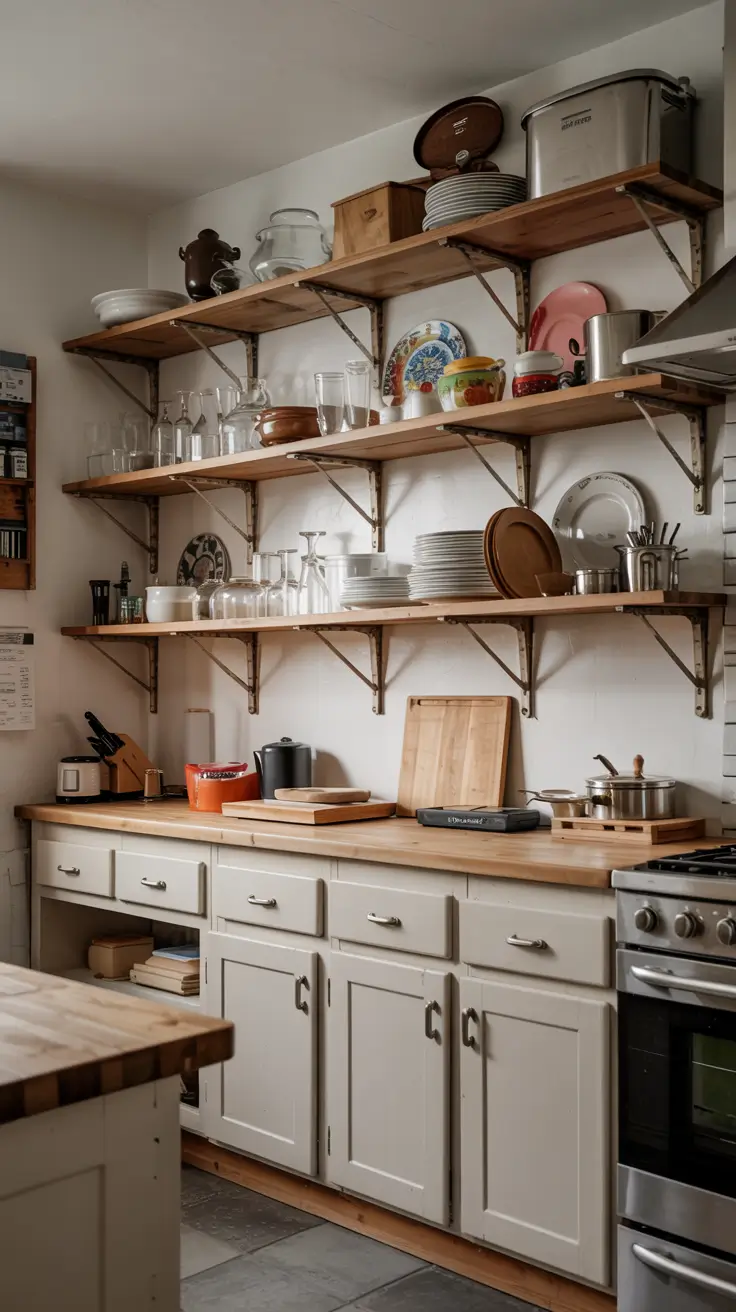
When I design DIY open shelving, I start with sturdy brackets or concealed supports that can handle real weight. I prefer solid wood shelves with a sealed finish so they wipe clean easily. I keep the shelf depth appropriate, usually not too deep, so items do not disappear into clutter. I style shelves with stacks of plates, simple glassware, and a few functional containers, and I avoid too many small objects. Under shelf lighting can make the display feel polished and improve visibility. I also like combining shelves with a few upper cabinets, so you can hide the less pretty essentials.
From my perspective, open shelving is worth it if you are willing to curate what you own. I have had great results when I limit shelf items to one color family or one material story, like white ceramics and clear glass. I also recommend choosing dishes you truly use, because unused decor tends to gather dust and look stale. I keep the shelf styling consistent with the living room so the open concept feels cohesive. If you cook a lot with oils and spices, I advise keeping shelves away from the range area to reduce buildup. Done well, open shelving can look modern, personal, and very 2026.
To complete this section, I would add a DIY safety note about finding studs and using the correct anchors for your wall type. I would also include a simple measurement guide for shelf spacing based on plates and glasses. It would help to add advice on sealing wood shelves to resist moisture and stains. I would also add a small plan for what to store on shelves versus behind doors to keep the look clean. Finally, I would include suggestions for matching shelf wood tone to cabinet finishes so it feels integrated.
5. Open Shelf Kitchen Makeover Ideas For Small Spaces
In small kitchens, open shelf kitchen makeover ideas can create the illusion of more space if they are used carefully. I treat shelves as a tool for visual expansion, not just decoration. The goal is to make the room feel taller, brighter, and less crowded, especially in apartments or compact homes. I usually reduce the number of upper cabinets and replace them with one or two runs of shelves where it helps the most. Keeping the wall color light and the shelf lines clean helps the kitchen feel wider. This approach is practical when you need fast access to everyday items and want the room to feel airy.
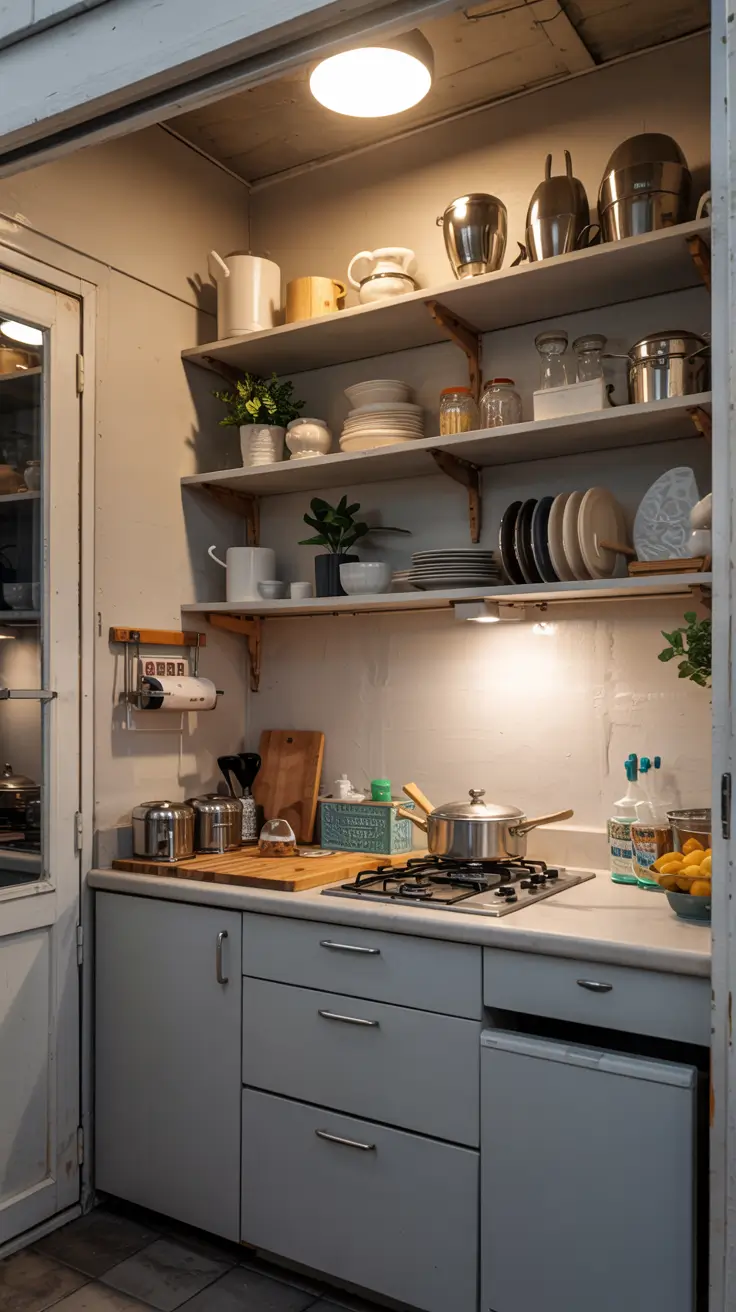
For small spaces, I choose thinner shelves and lighter finishes so they do not visually weigh down the wall. I like floating shelves, but I still make sure they are installed securely and aligned with the cabinetry below. I keep the styling minimal, using uniform dish sets, a small cutting board, and maybe one plant for freshness. I also use vertical space by placing shelves higher and keeping the lower shelf for daily items. If storage is tight, I add rails or hooks under the shelf for mugs or utensils to gain function without clutter. Lighting matters here, so I add under shelf lights or a bright, warm ceiling fixture to eliminate shadows.
In my experience, small kitchens feel best when shelves support routine, not chaos. I recommend storing only your best, most used pieces on display and keeping backups in lower cabinets. I also avoid open shelving right next to the stove if you cannot upgrade ventilation, because small spaces show grime faster. A consistent container system, like matching jars and canisters, can make the shelf look neat while still being useful. I often suggest one standout texture, like a wood shelf against a simple tile backsplash, to add warmth without crowding the room. The payoff is a kitchen that feels open, modern, and easier to navigate.
To complete this section, I would add a small space planning note about keeping sightlines clear from entry points. I would also include a quick strategy for decluttering dishware so shelves stay realistic to maintain. It would help to add guidance on choosing shelf depth and avoiding head bumps over counters. I would also add ideas for combining shelves with mirrored or glossy backsplash surfaces to bounce light. Finally, I would include a mini list of compact storage tools that pair well with open shelving.
6. Budget Friendly Open Kitchen Cabinet Makeover Ideas
A budget makeover can still look high-end if you focus on the changes that have the biggest visual impact. In open kitchens, I prioritize what you see first: cabinet faces, hardware, lighting, and the island area. Painting cabinets, updating pulls, and improving lighting can transform the space without rebuilding anything. I also like adding trim or filler panels to make cabinets look more custom and finished. In 2026, budget-friendly does not mean bland, it means strategic. The practical benefit is you get a fresher kitchen that fits the open layout without overspending.
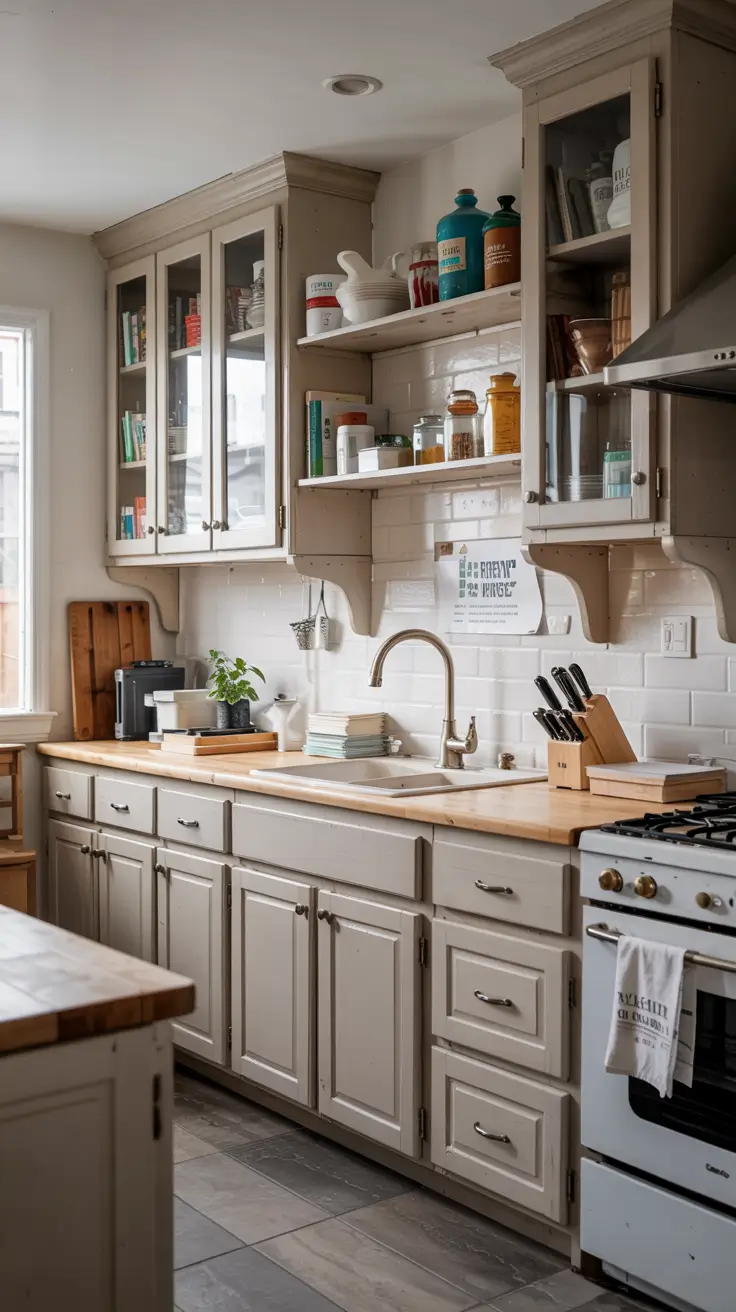
For cabinet updates, I often start with a deep clean, sanding, and a quality primer so the finish lasts. I choose a durable cabinet paint in a modern neutral tone and pair it with hardware that matches the rest of the home. If you cannot replace countertops, I refresh the look with a new faucet, a simple backsplash update, or better lighting over the sink. Under cabinet lights are one of my favorite upgrades because they are relatively affordable and instantly elevate the room. I also like adding simple organizers inside cabinets, because a tidy interior makes the whole kitchen feel more functional. If there is an island, I consider a quick makeover like a contrasting paint color or new paneling on the back.
From my experience, the mistake people make on a budget is spreading money across too many small changes. I prefer picking one or two upgrades that visually dominate the room, then supporting them with smaller details. I also recommend choosing timeless hardware shapes and finishes so you do not need to replace them again soon. A good paint job beats a cheap cabinet refacing, because it looks intentional and holds up better when done correctly. I try to put at least a little budget into lighting, because it changes how every surface appears. A smart plan makes a budget makeover look like a deliberate design choice.
To complete this section, I would add a simple cost breakdown template so you can plan priorities. I would also include a note on where to splurge slightly, like primer, hinges, or lighting, because it protects the result. It would help to add a checklist for paint curing time so cabinets do not chip early. I would also add advice for choosing hardware sizes and drilling new holes cleanly. Finally, I would include a short list of the most impactful upgrades if you only have one weekend.
7. Open Concept Kitchen Cabinet Makeover Ideas With Natural Wood
Natural wood is a major 2026 direction because it brings warmth and texture into open concept living. I like wood cabinets in open layouts because they connect the kitchen to the rest of the home and make the space feel grounded. The key is choosing the right wood tone so it looks modern, not heavy or dated. I often use natural wood for an island or a set of lower cabinets, then pair it with lighter uppers to keep the room bright. In an open plan, wood helps the kitchen feel like furniture rather than a separate utility room. The practicality is that wood tones hide wear better than some painted finishes.
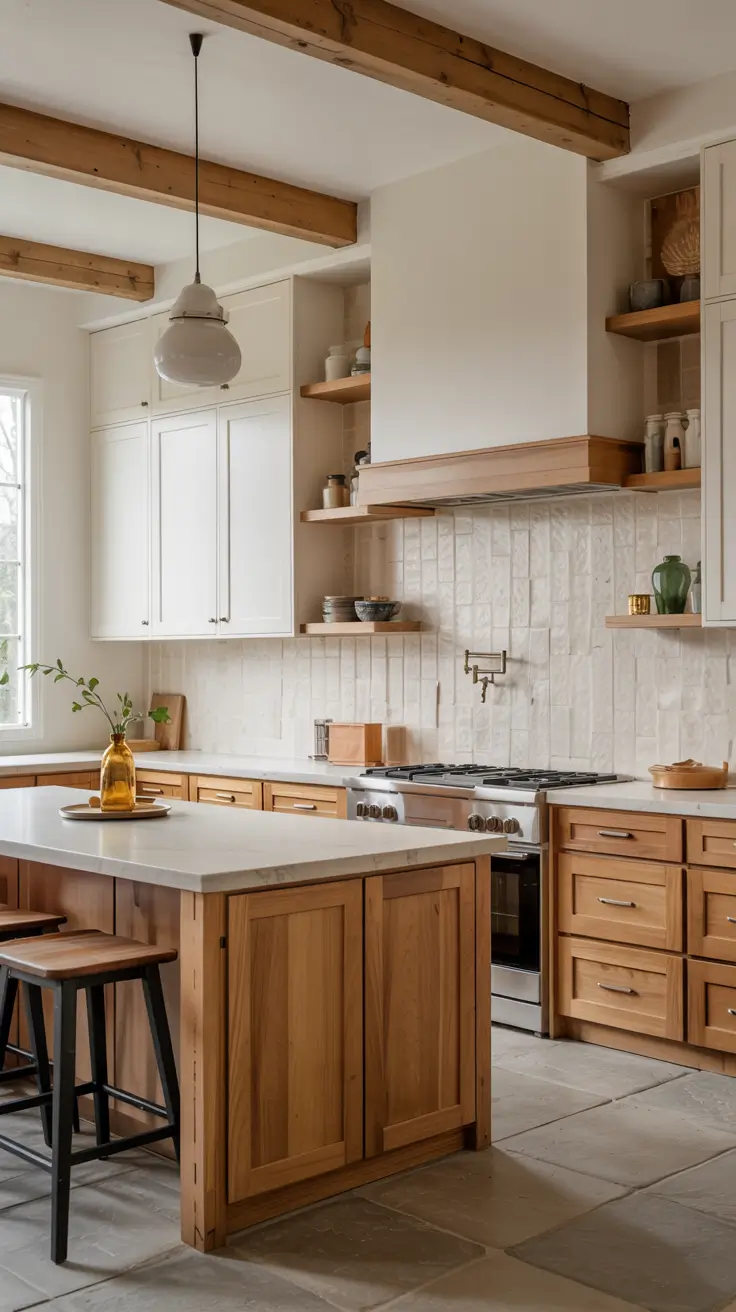
For the design, I like rift or quarter-sawn oak, walnut, or a light ash tone, depending on the home’s overall style. I pair wood cabinetry with simple countertops, like light stone or a subtle composite, so the grain stays the star. Hardware choices matter here, so I often choose brushed metal that complements wood warmth without competing. I also like using wood shelving that matches the cabinets to create continuity, especially if you are also exploring open shelf kitchen makeover ideas. A backsplash in a soft, handmade-look tile can add depth without fighting the wood. I finish the look with warm lighting, because wood looks best when the light feels natural and gentle.
In my experience, natural wood cabinets elevate an open concept kitchen when the grain is consistent and the palette is restrained. I avoid mixing too many wood tones across the open plan unless there is a clear strategy. I also consider how the wood reads from the living room, because it will be visible in the background of daily life. If you are worried about maintenance, I recommend a durable clear finish that resists water spots and wipes clean easily. I have found that wood islands with seating feel especially welcoming, and they make the kitchen the social center. Wood is a practical way to add character while still keeping the design modern.
To complete this section, I would add guidance on choosing a wood tone that matches your flooring, or intentionally contrasts it without clashing. I would also include a note on sampling wood in your actual light, because tone shifts dramatically from store to home. It would help to add advice on pairing wood cabinets with wall paint colors and metals. I would also include maintenance tips for preventing water marks near sinks and dishwashers. Finally, I would add a quick overview of sustainable options like veneer choices and responsibly sourced wood.
8. Open Kitchen Makeover Ideas Using Floating Shelves
Floating shelves are one of the fastest ways I update an open kitchen because they reduce visual bulk and make the room feel wider. In an open layout, I like how shelves create breathing space between the kitchen and the living zone, especially when upper cabinets feel heavy. The key is to treat shelves as part of the architecture, not just storage, so the lines look intentional from every angle. I usually keep the shelf depth a bit slimmer than standard cabinets to maintain an airy profile and avoid the feeling of things looming over the counters. When done well, floating shelves highlight beautiful materials and make daily routines simpler. This approach works particularly well when you want the entire room to feel lighter without changing the footprint.
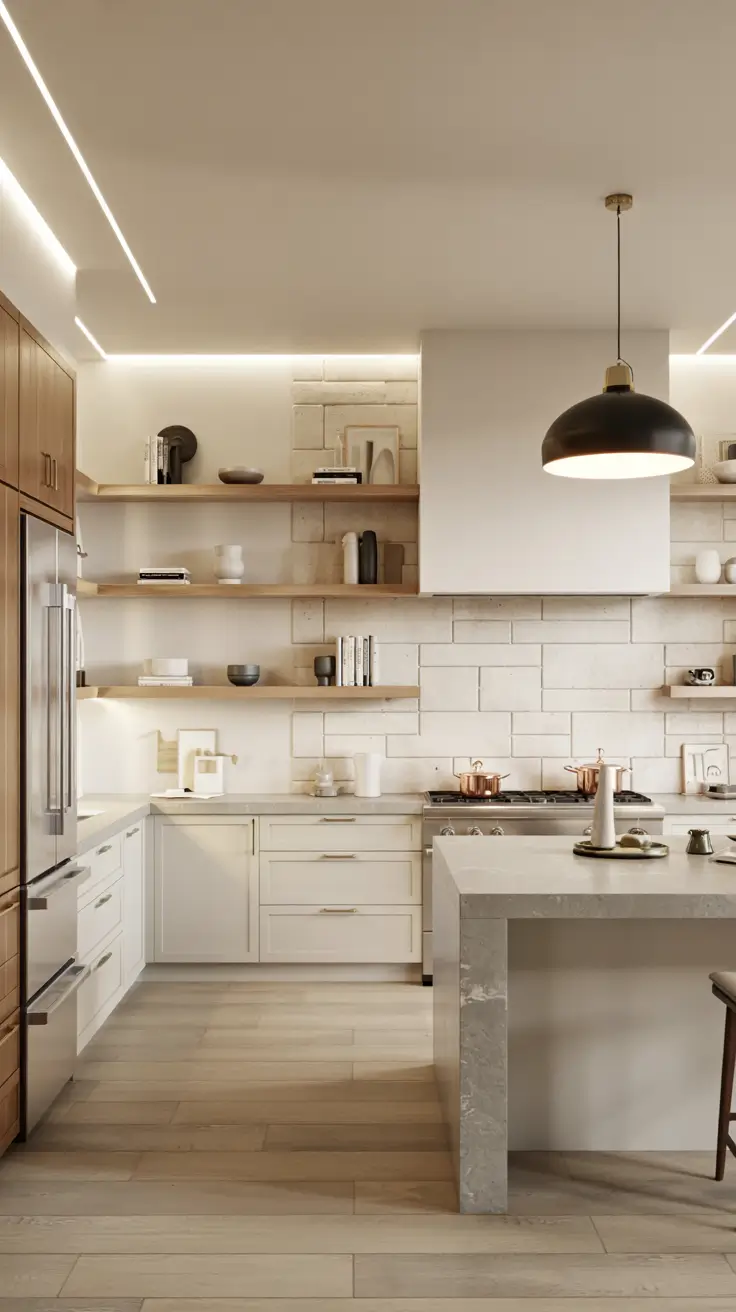
For materials, I often choose white oak, walnut, or painted shelves with a crisp edge that matches trim or cabinetry. I like to anchor shelves with a strong backsplash moment, like full-height tile or a single slab look, so the wall behind them feels finished. I also include under-shelf lighting when possible because it makes open storage look curated at night and improves task visibility. To keep the shelves practical, I plan zones for plates and bowls near the dishwasher, glassware near the sink, and cooking staples near the range. I avoid overcrowding by mixing functional items with a few calm accents like a small framed print, a ceramic canister set, and a low plant. When the shelf styling repeats colors already in the living area, the entire room reads as one cohesive space.
In my experience, floating shelves feel best when they are not trying to hold everything. I like to think of them as the stage, while closed storage does the heavy lifting behind the scenes. A simple rule I follow is to keep the most used items at shoulder height and limit tall stacks that look busy from the living room. I also recommend using matching dish sets because repetition makes open storage look intentional even on a normal weekday. If you have kids or a lot of cooking activity, I keep breakables on higher shelves and daily non-breakables in lower drawers. The result is a modern, relaxed kitchen that still works hard.
What I would add to complete this idea is a plan for the wall composition so shelves do not look like an afterthought. I like to confirm shelf length, spacing, and alignment with key elements like the range hood, windows, and counters. I would also add a closed pantry cabinet or tall unit somewhere in the run so you have a place for appliances and bulk items. If the kitchen is truly open to the living room, I recommend repeating the shelf wood tone in a nearby coffee table, console, or beams for balance. Finally, I would include a small styling kit, like matching trays and labeled jars, to keep the shelves tidy over time.
9. Open Shelf Kitchen Makeover Ideas With Modern Storage Solutions
Open shelves work best in 2026 when they are paired with modern storage that hides clutter and supports real life. I treat open shelving as the visual layer and invest in smart bases like deep drawers, pull-outs, and integrated organizers that keep counters clear. In an open kitchen, the goal is to avoid that constant feeling that everything is on display, because the kitchen is visible from the sofa and dining table. I like designs where open shelves show the beautiful items, while drawers handle the messy reality of wraps, gadgets, and mixed pantry goods. When storage is planned well, the room feels calm and you cook more efficiently because every zone has a purpose. This approach can make the entire room look custom even if you do not replace all cabinetry.
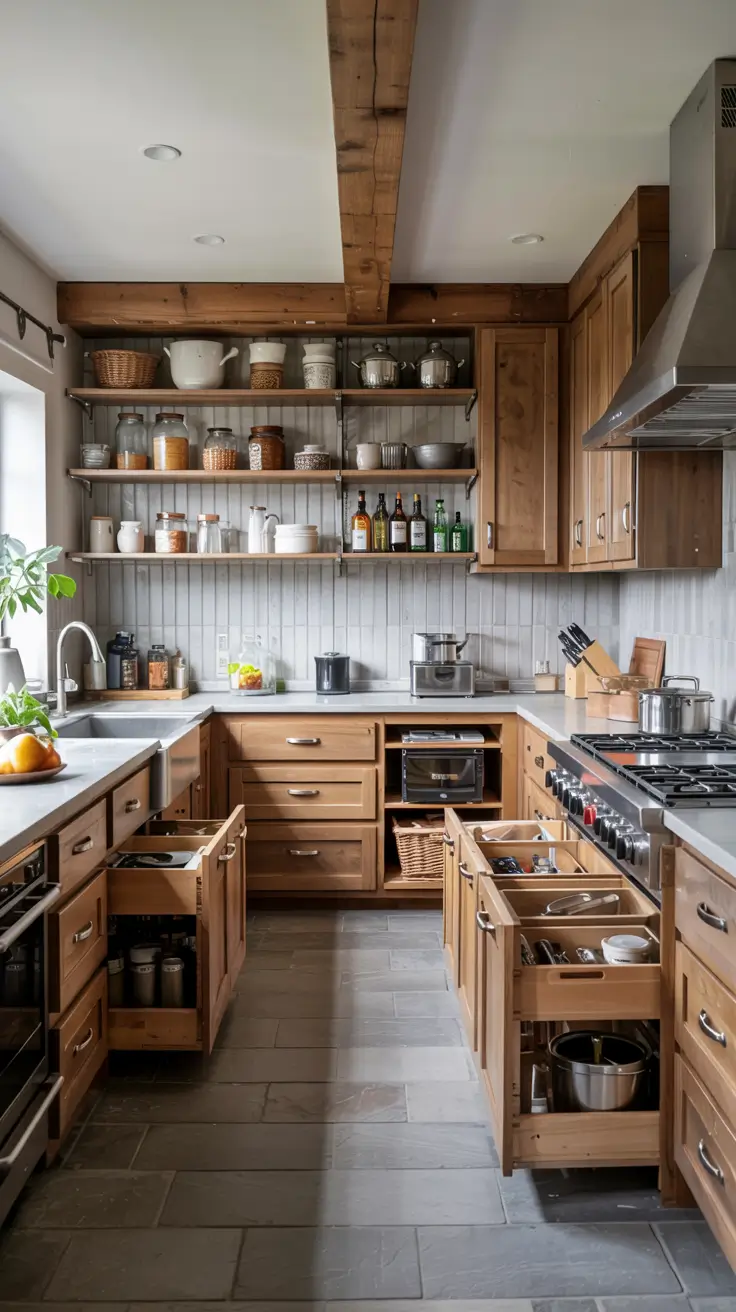
I like to include wide drawers for pots and pans, vertical tray dividers near the oven, and pull-out bins for recycling so the workflow stays smooth. Under-sink organizers and toe-kick drawers are small upgrades that add real value in daily use, especially in open layouts where you want fewer countertop piles. For open shelf areas, I use consistent containers like glass jars, matching baskets, and low-profile spice tins so everything looks orderly. If you have a peninsula or island, I like adding shallow drawers for linens and serving tools, plus a hidden charging drawer for small devices. I also recommend a slim appliance garage or lift-up cabinet if you love coffee gear or a toaster but want a clean look. These pieces make open shelf kitchen makeover ideas feel polished rather than exposed.
I have found that open shelving becomes stressful when the rest of the storage is not upgraded to compensate. When I plan a makeover, I start by listing what must be hidden, what can be displayed, and what should live closest to where it is used. I also prefer drawer-based bases over lower cabinets because they keep everything visible and reduce bending and digging. If budget is limited, I prioritize one or two strong organizer upgrades, like a trash pull-out and a set of deep pot drawers. Those improvements change how the kitchen functions, not just how it looks. The kitchen ends up feeling thoughtfully designed, which matters even more in open concept homes.
What I would add here is a clear cabinet and drawer map so the storage system stays logical after the makeover. I would also add lighting layers, including toe-kick night lighting and under-cabinet task lighting, so the kitchen feels inviting from the living room in the evening. If your shelves are near the cooktop, I recommend adding a strong ventilation solution to keep displayed items cleaner. I would also include a few durable display items, like stoneware and sealed wood boards, that can handle real kitchen conditions. Finally, I would add one closed zone for visual rest, like a tall cabinet wall, so the open shelving feels like an accent, not the entire story.
10. Open Kitchen Cabinet Makeover Ideas With Neutral Color Palettes
Neutral palettes are a top choice for 2026 because they make open kitchens feel timeless and flexible, especially when the kitchen shares sightlines with living spaces. I use neutrals to unify the room, reduce visual noise, and let textures do the work. Instead of a flat beige approach, I layer warm whites, soft greiges, mushroom tones, and gentle taupes so the space has depth. In open kitchen cabinet makeover ideas, the right neutral cabinet color can make countertops, flooring, and furniture look more intentional, even if they are not new. A neutral base also makes it easier to update accents later, like stools, pendants, and art, without repainting cabinets again. This is one of my go-to strategies when homeowners want a modern look that will not feel dated quickly.
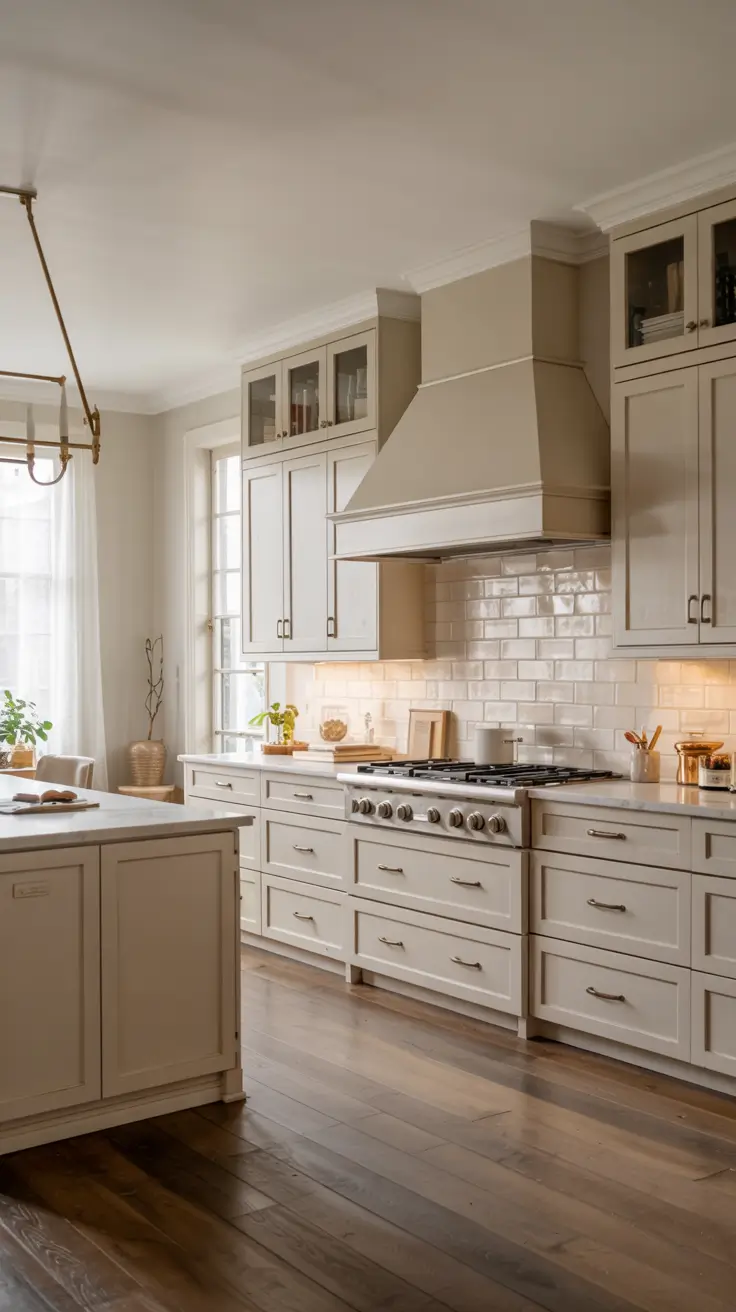
For cabinets, I like matte or satin finishes because they photograph well and hide everyday fingerprints better than high gloss. I often pair neutral cabinets with a slightly darker island or base run to ground the space, then keep upper areas lighter so the room feels airy. Hardware matters here, so I choose brushed nickel, champagne bronze, or soft black depending on the undertones of the neutral paint. I also include a backsplash with subtle movement, like handmade-look tile or a slab-look surface, to keep the neutral palette from feeling sterile. To tie the kitchen to the living area, I repeat the cabinet undertone in textiles like rugs and curtains, and I mirror the metal finish in nearby lighting. With this approach, the entire open area feels intentionally coordinated.
From my experience, the biggest neutral mistake is picking a color that clashes with fixed elements like floors and stone. I always test samples in morning and evening light, because open spaces can shift tone dramatically throughout the day. I also think neutrals look best when the room includes at least three textures, like wood, stone, and a soft textile. If everything is smooth, the kitchen can feel flat. I like to add character through details like a reeded-glass door, a narrow trim detail on shaker fronts, or a wood hood surround. Those details keep the kitchen looking designed, not just painted.
What I would add to round out this section is a simple undertone plan so the neutral palette stays consistent across zones. I would also add one warm element, like oak shelves or stools, to prevent the kitchen from feeling too cool. If your kitchen is visible from the entry, I recommend including a focal point, like statement pendants or a strong hood shape, so the neutral palette still has presence. I would also plan a repeatable accent color, like olive, clay, or soft black, used in two to three places so the room feels styled. Finally, I would include easy-maintenance finishes, like washable paint and durable cabinet coatings, because open kitchens get seen up close every day.
11. DIY Open Kitchen Cabinet Makeover Ideas For Renters
Renters can still create a fresh 2026 look with reversible updates that respect the lease and avoid permanent changes. When I plan renter-friendly updates, I focus on surfaces and details that change the feeling of the kitchen without replacing cabinetry. The open layout makes small upgrades visible, so even a simple cabinet refresh can influence how the whole room feels from the living space. I like options that are easy to remove later, like peel-and-stick finishes, temporary hardware swaps, and open shelving that uses minimal wall holes. The goal is to make the kitchen feel personal, bright, and organized while keeping everything flexible for move-out. This is where diy kitchen cabinets makeover ideas open shelving can shine when done thoughtfully.
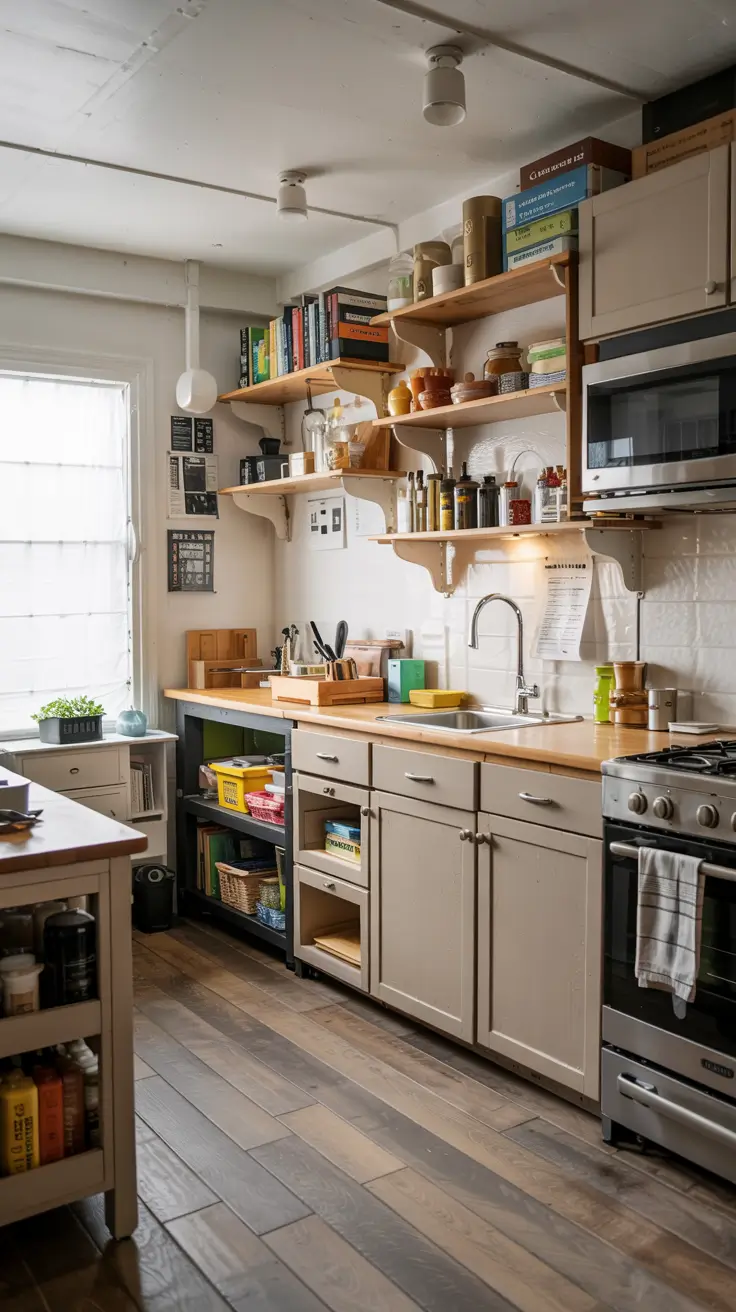
I often start with removable vinyl wrap or peel-and-stick cabinet skins in a matte neutral, then add upgraded knobs and pulls that match the rest of the apartment metals. If drilling is allowed, I recommend installing a simple rail shelf system or two floating shelves with anchors that can be patched easily later. For backsplashes, peel-and-stick tile can add a huge style upgrade, especially in a full-height look behind open shelves. I also like adding stick-on under-cabinet lighting to make the space feel more high-end at night, and it improves cooking visibility. To keep it cohesive, I choose two finishes only, like soft black hardware with warm wood accents, and repeat them in stools and small decor. These choices make renter updates look intentional, not temporary.
In my experience, the best renter kitchens look curated because they rely on consistency, not expensive upgrades. I keep the palette simple and focus on improving organization so counters stay clear. I also recommend using uniform containers for open shelves, because mismatched packaging is what makes open storage look messy. If you are worried about damaging walls, I stick to one shelf run and make it the focal point, rather than spreading many small shelves around. I also like to bring in a washable runner rug that links the kitchen to the living area, which is especially important in open layouts. These moves make the kitchen feel like it belongs to the home, even if you are there short term.
What I would add is a move-out checklist for every DIY element so nothing becomes stressful later. I would also add a plan for protecting surfaces, like clear liners inside cabinets and heat-resistant mats near the cooktop. If you can, I recommend adding one freestanding piece, like a slim pantry cabinet or rolling cart, to increase storage without construction. I would also include a strategy for hiding small appliances, like using a tray grouping or a cabinet corner, so the open view stays clean. Finally, I would add a simple styling rule for open shelves, like one-third decor and two-thirds functional, to keep the look realistic and maintainable.
12. Open Concept Kitchen Makeover Ideas With Mixed Materials
Mixed materials are one of the easiest ways to make an open kitchen look current in 2026, because the combination adds depth and a custom feel. In open concept kitchen cabinet makeover ideas, mixing finishes can help the kitchen connect with nearby furniture and flooring instead of looking like a separate box. I like to combine painted cabinetry with warm wood accents, stone with subtle veining, and metal details that repeat in lighting. The trick is to keep the mix controlled so it looks designed, not random. I usually choose one dominant material, one supporting material, and one accent, then repeat each at least twice. This creates a balanced look that holds up from every angle in an open-plan room.
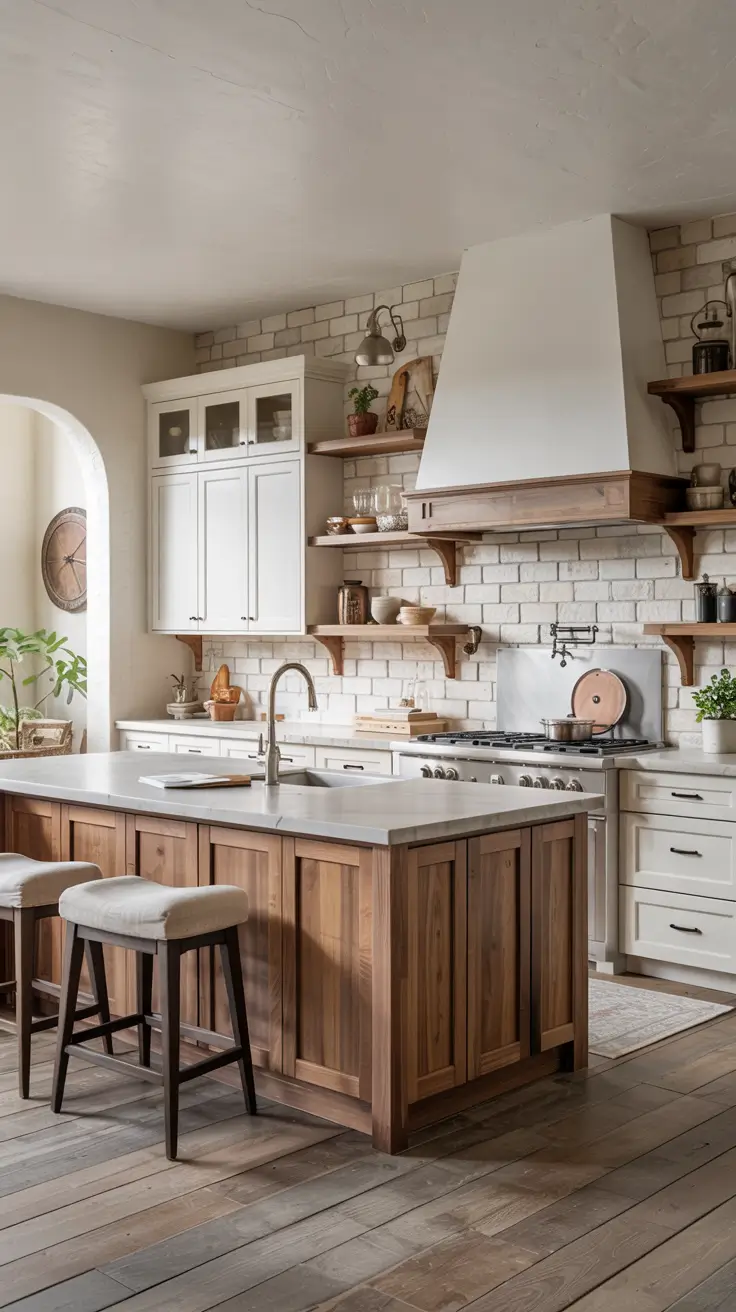
A common combination I use is a painted perimeter with a wood or stained island, paired with a stone-look countertop and a textured backsplash. For the hood area, I like adding a plaster-style surround, a wood mantle detail, or a simple metal-trimmed hood that becomes a focal point. I also recommend mixing cabinet door styles carefully, like shaker bases with slimmer slab uppers, but only if the lines still feel cohesive. Open shelves can be the bridge material, such as wood shelves that match the island stain, which ties the design together. For seating, I like stools that echo the accent metal, and I choose upholstery that relates to the living room textiles. This approach makes the kitchen feel like part of a whole-home design rather than a standalone renovation.
From my experience, mixed materials look best when there is a clear color temperature, either warm or cool, across the entire space. I also like to avoid mixing too many wood tones, because that can look busy quickly in an open layout. If you want multiple woods, I keep one as the hero and the other as a quiet supporting tone. I also pay attention to sheen, because mixing high gloss with matte surfaces can feel disjointed. When everything is balanced, the kitchen reads as layered and modern, not trendy. It is a smart way to get a high-end look without using expensive custom cabinetry everywhere.
What I would add is a simple materials board for the entire open space, not just the kitchen. I would include flooring, cabinet finish, countertop, backsplash, metal finish, and one upholstery fabric so you can see how the mix works together. I would also add a rule for metal finishes, like sticking to one main metal and one secondary at most. If the kitchen opens to a dining area, I recommend repeating the wood tone from the kitchen in the dining table or sideboard for continuity. Finally, I would add a lighting plan that includes pendants, task lighting, and ambient lighting, because mixed materials look their best when light shows off texture.
13. Open Shelf Kitchen Makeover Ideas For Cozy And Functional Kitchens
A cozy open kitchen in 2026 is not about adding clutter, it is about warmth, comfort, and a layout that supports everyday cooking. When I use open shelf kitchen makeover ideas for a cozy look, I focus on warm lighting, natural textures, and small details that make the kitchen feel inviting from the living room. Open shelves can soften the kitchen because they allow personal touches like cookbooks, pottery, and plants. The key is to keep function first, so the cozy look does not interfere with prep space or cleaning. I like cozy kitchens that still feel streamlined, with clear zones and a calm palette. That balance is what makes the kitchen feel like a welcoming part of the home.
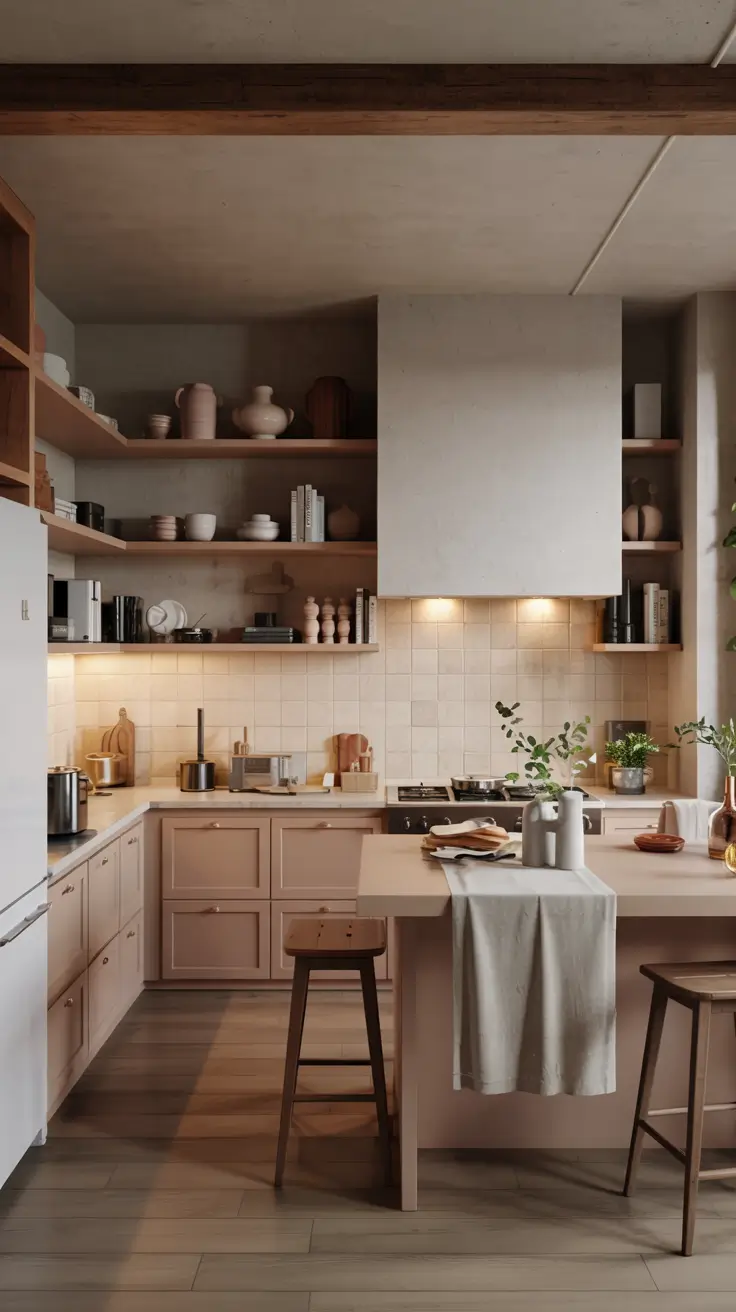
I often include warm wood shelves, a soft matte cabinet color, and a backsplash with gentle texture like zellige-look tile or vertical stacked tile. For seating, I like stools with comfortable backs or a small bench at a nearby breakfast nook, because comfort changes how people use the space. I also add layered lighting, including warm under-shelf lighting and a pendant with a shade that diffuses light softly. For decor, I keep it practical, like a wooden cutting board set, a crock for utensils, and a small tray for oils, so the counter still works. On shelves, I mix functional dishware with a few cozy accents, like a low vase, a linen runner folded neatly, or a small framed food print. These details make the kitchen feel lived-in in a good way, without looking messy.
In my experience, cozy kitchens succeed when they are easy to maintain. I prefer closed storage for anything that creates visual noise, and I reserve open shelves for repeatable items like matching bowls, mugs, and jars. I also like to add one soft element that links to the living room, like a runner rug that echoes the sofa color or a pendant that matches a nearby floor lamp finish. If you cook often, I recommend choosing shelf styling items that can handle heat and steam, like glazed ceramics and sealed wood. That keeps everything looking good long term. The kitchen ends up feeling warm and personal, but still practical.
What I would add is a simple routine for keeping shelves tidy, like a monthly reset where you remove one item that is not being used. I would also add hooks or a small rail system in one area for towels and frequently used tools, which keeps drawers less crowded. If your open kitchen faces the living room, I recommend adding one visual boundary, like a small island centerpiece bowl or a low vase, to signal the transition without blocking flow. I would also consider acoustic softness, like a rug or upholstered stools, because open kitchens can sound harsh. Finally, I would add one deeper storage element, like a tall pantry cabinet, so the cozy styling never has to compete with bulk storage.
14. Future Ready Open Kitchen Cabinet Makeover Ideas For 2026 Homes
Future-ready kitchens in 2026 are designed for flexibility, energy awareness, and changing daily routines, especially in open plans where the kitchen is also a social hub. When I think about future-ready open kitchen cabinet makeover ideas, I prioritize layouts that adapt, storage that supports new tech, and finishes that stay timeless. The goal is to create a kitchen that feels modern now and still makes sense later, without requiring another full overhaul. In an open concept, future-ready also means keeping sightlines clean and reducing visual noise, because the kitchen is always on display. I like solutions that support both cooking and living, like multi-use islands and concealed utility zones. This is the makeover mindset that pays off, because it improves how the room functions every day.
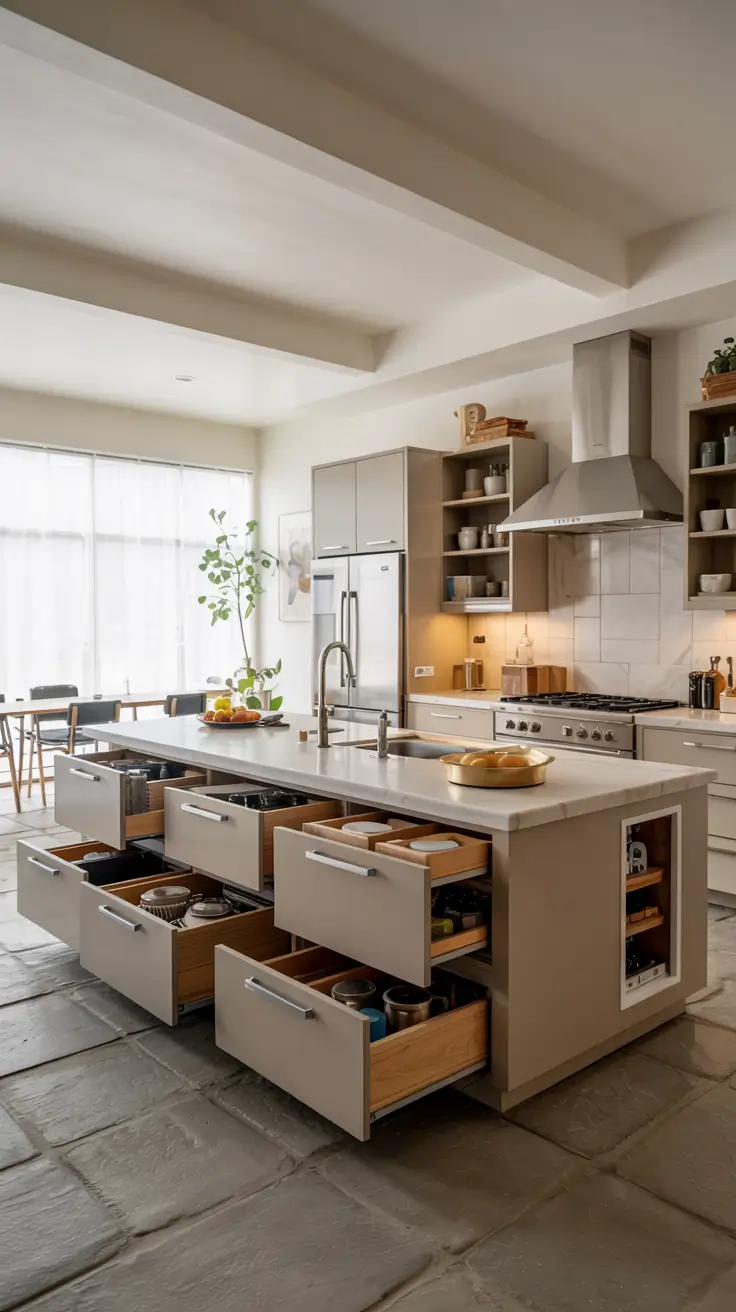
I often include a drawer-based base cabinet plan, because drawers are more accessible and make organization easier as needs change. I also like adding a dedicated charging drawer, a small tech shelf, or a cabinet zone for smart hubs and routers so cords do not spill into the living space. For sustainability and durability, I choose low-maintenance cabinet finishes, durable edge details, and easy-clean backsplash materials that can handle constant use. Islands can be future-ready when they include power outlets, flexible seating, and storage for entertaining pieces. I also like integrating a pull-out pantry system, because it keeps food visible and reduces waste. These updates feel subtle, but they make the kitchen easier to live with as habits evolve.
From my experience, the most future-ready kitchens are the ones that reduce friction. I like to plan the kitchen around the real workflow, such as where groceries land, where coffee happens, and how dishes move from table to dishwasher. I also recommend thinking about lighting controls and ventilation early, because those features affect comfort more than people expect in open layouts. If you are planning a cabinet makeover, I suggest choosing hardware and door styles that feel classic, then expressing trends through lighting and accessories. That keeps the kitchen current without locking you into a look that may date. A future-ready kitchen should feel calm, capable, and easy to update in small ways over time.
What I would add is a future-proofing checklist before any cabinet work begins. I would confirm where power is needed for small appliances, where trash and recycling should live for minimal steps, and where a secondary prep zone might help for two-cook households. I would also add a plan for adaptable shelving, like adjustable interiors and modular organizers, so the storage can shift with changing needs. If you entertain, I recommend adding a serving zone with drawers for platters and linens near the dining area. Finally, I would include a simple maintenance plan for cabinet finishes and hardware so the makeover stays looking new in an open room where everything is visible.